In brief
Jevona Anderson’s personal struggles highlight the growing issue of ‘stopouts’—students who leave college before finishing. While many leave with the intention of returning, only a small fraction do. However, increasing college initiatives and scholarships, such as those from the University of Baltimore, show promise in helping these individuals resume their education. As more states target stopouts, we explore how their efforts are impacting the potential for degree completion among working-age adults.
In recent years, life challenges have pushed many college students to drop out, leaving them as 'stopouts'—close to 38 million working-age adults in the U.S. who have student loans but no degree to show for their investment.
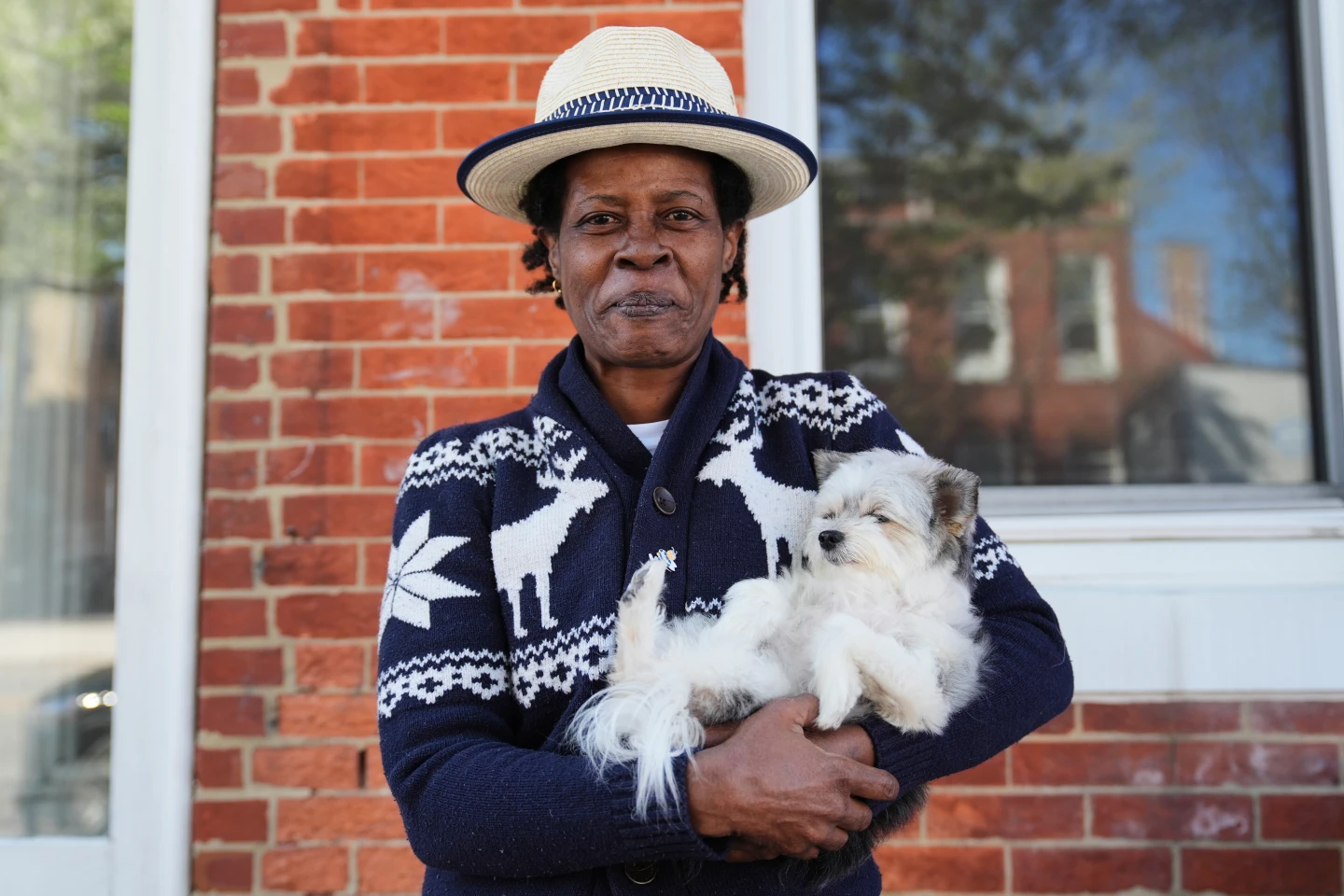
One such story is of Jevona Anderson, who struggled after experiencing multiple family tragedies and homelessness while nearing her degree at the University of Baltimore. In 2025, at age 59, Anderson faced failing grades and subsequently dropped out, joining the ranks of many who intend to return but often find obstacles in the way.
Despite the difficulties, a slight uptick in reenrollment rates has been noted recently. During the 2023-2024 academic year, more than 1 million stopped-out students returned to college, partially due to programs and scholarships aimed at aiding these individuals.
For Anderson, a scholarship program funded by the Carnegie Corporation was instrumental in her decision to reenroll after stabilizing her life. Expressing hope, she stated her commitment to graduation and the prospect of sharing her passion for environmental education with children.
Efforts by various states and educational institutions to assist stopouts involve reducing bureaucratic hurdles, offering targeted scholarships, and providing personalized support. As the narrative unfolds, institutions increasingly recognize the need to re-engage with students who have interrupted their studies.
Although the challenges are daunting—life events such as caring for family members or health issues often disrupt academic pursuits—many colleges are learning that targeted outreach and support can encourage stopouts to resume their education. For those like Melody Blair, a scholarship unlocked the door to a new career she looks forward to every day.
Anderson’s journey serves as a poignant reminder that the road to a degree is not a straight path but one that can be navigated with the right support and resources, underscoring the potential for higher education to change lives despite the challenges.