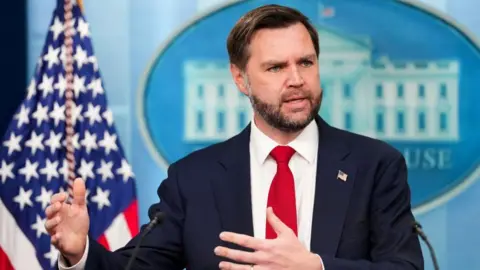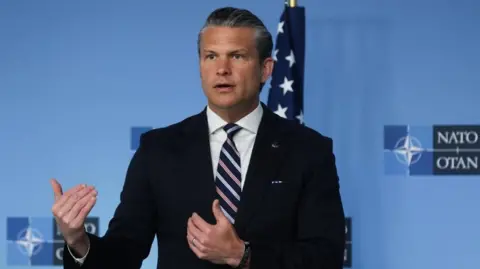
After a diplomatic team led by Vice-President JD Vance tried, and failed, to reach a negotiated agreement to end the US war with Iran on Saturday, President Donald Trump had to decide his next move.
That came on Sunday morning, in a series of Truth Social posts.
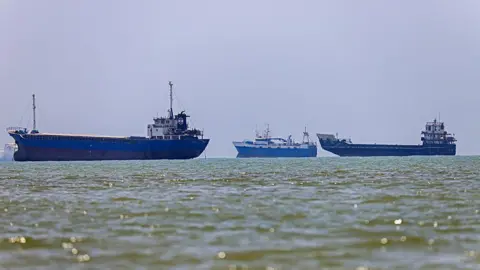
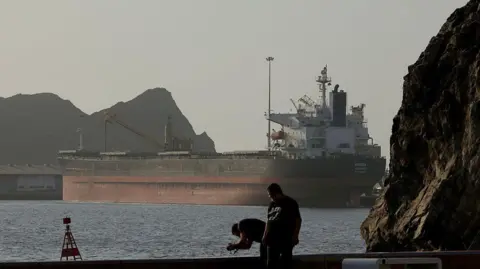
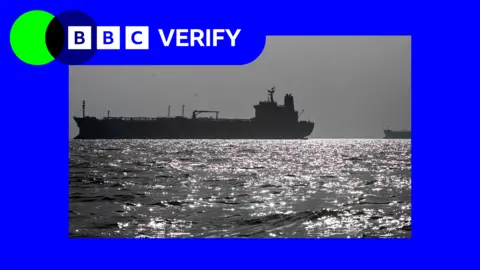
The US will impose a naval blockade of Iran, he wrote. No one who pays an illegal toll will have safe passage on the high seas, he stated.
He also indicated that the US would continue its efforts to clear mines from the Strait of Hormuz to ensure safe passage for allied shipping. The US military, he added, was locked and loaded and prepared to resume attacks against Iran at an appropriate moment.
He went on to assert that while some progress had been made in the lengthy negotiations in Islamabad, Iran remains unwilling to abandon its nuclear ambitions, a key demand of the US.
While his messages lack the aggressive tone of previous threats, they present new challenges and risks for the American side.
This blockade raises questions. Will mine-clearing operations jeopardize American naval vessels? How will the U.S. ascertain who may have paid Iran? More critically, will the U.S. use force against foreign-flagged vessels that defy the blockade? Nations reliant on Iranian oil, notably China, may react strongly. Moreover, could this blockade inadvertently drive up oil prices further?
There are no clear answers.
Senator Mark Warner, the ranking Democrat on the Senate Intelligence Committee, questioned the efficacy of blockading the strait. He remarked on CNN, I don't understand how blockading the strait is going to somehow push the Iranians into opening it. In contrast, Republican lawmaker Mike Turner defended the blockade, stating U.S. allies must also engage in the issue.
Trump later emphasized to Fox News that he believes Iran will ultimately comply with U.S. demands, suggesting that while oil prices might rise, he believes the U.S. economy will remain resilient.
With the midterm elections on the horizon, the stakes are high. Trump's gamble on this geopolitical chessboard could have significant repercussions for the Republican Party if the situation escalates poorly.
As tensions simmer, the conflict appears poised to continue as a test of wills, raising uncertainty about the future of stability in the region and beyond.