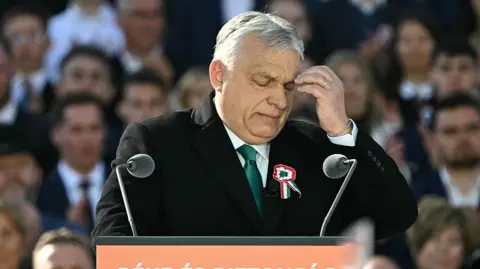
No serving leader in the European Union has led their country for as long as Viktor Orbán. But after 16 years, he faces his strongest challenge yet in upcoming elections on April 12, where polls suggest he may be defeated by former party insider, Péter Magyar.
Since taking office in 2010, Orbán has reshaped Hungary into what many critics label a hybrid regime of electoral autocracy. He has referred to his governance as both illiberal democracy and Christian liberty, while his allies in the US Maga movement label it national conservatism.
The prime minister has frequently clashed with European Union leaders, particularly regarding the war in Ukraine, where he has impeded funding for Kyiv, accusing it of attempting to draw Hungary into conflict with Russia.
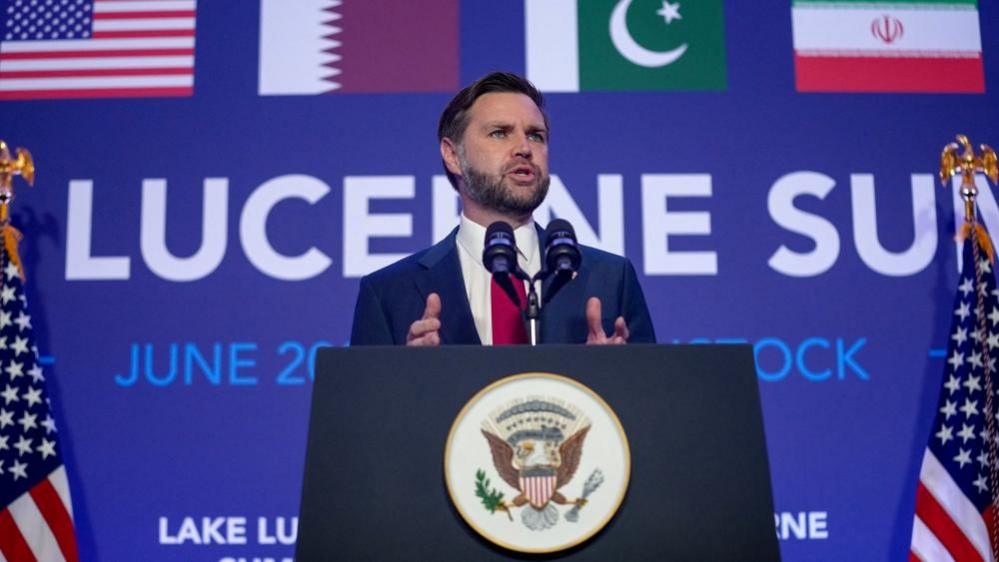
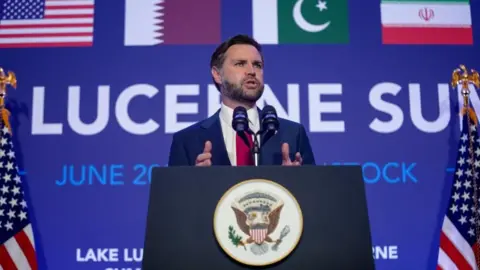
Despite his contentious European relationships, Orbán enjoys strong backing from powerful international figures, including Vladimir Putin and Donald Trump. Trump has pledged economic support for Hungary should he win a future election, while recently, Vice-President JD Vance urged voters in Budapest to stand with Viktor Orbán, because he stands for you.
Orbán's leadership style and rhetoric have increasingly polarized opinions, with growing dissatisfaction among Hungarian citizens regarding pervasive corruption in his administration. Critics argue he has moved Hungary away from its democratic roots, with many opponents accusing him of undermining European unity in the face of current geopolitical challenges.
As the election looms, Orbán's longtime supporters may be wavering, with many Hungarians expressing fatigue over the corruption scandals surrounding his party. Recently, Orbán was booed during a campaign speech, which many interpreted as a sign of declining public support.
At 62, Orbán's political journey began in his youth during the waning days of Soviet influence, where he was noted for his charismatic speeches advocating for democracy. The journey from that young student to Hungary's long-standing prime minister has seen significant shifts, including a pivot towards a more nationalist and authoritarian stance in leadership.
Now, as he faces a significant electoral challenge, it remains to be seen whether Orbán's long tenure will continue or if Hungary will embark on a new political direction under Péter Magyar.