Ceasefire or no ceasefire, the Middle East's reshuffling is not yet done
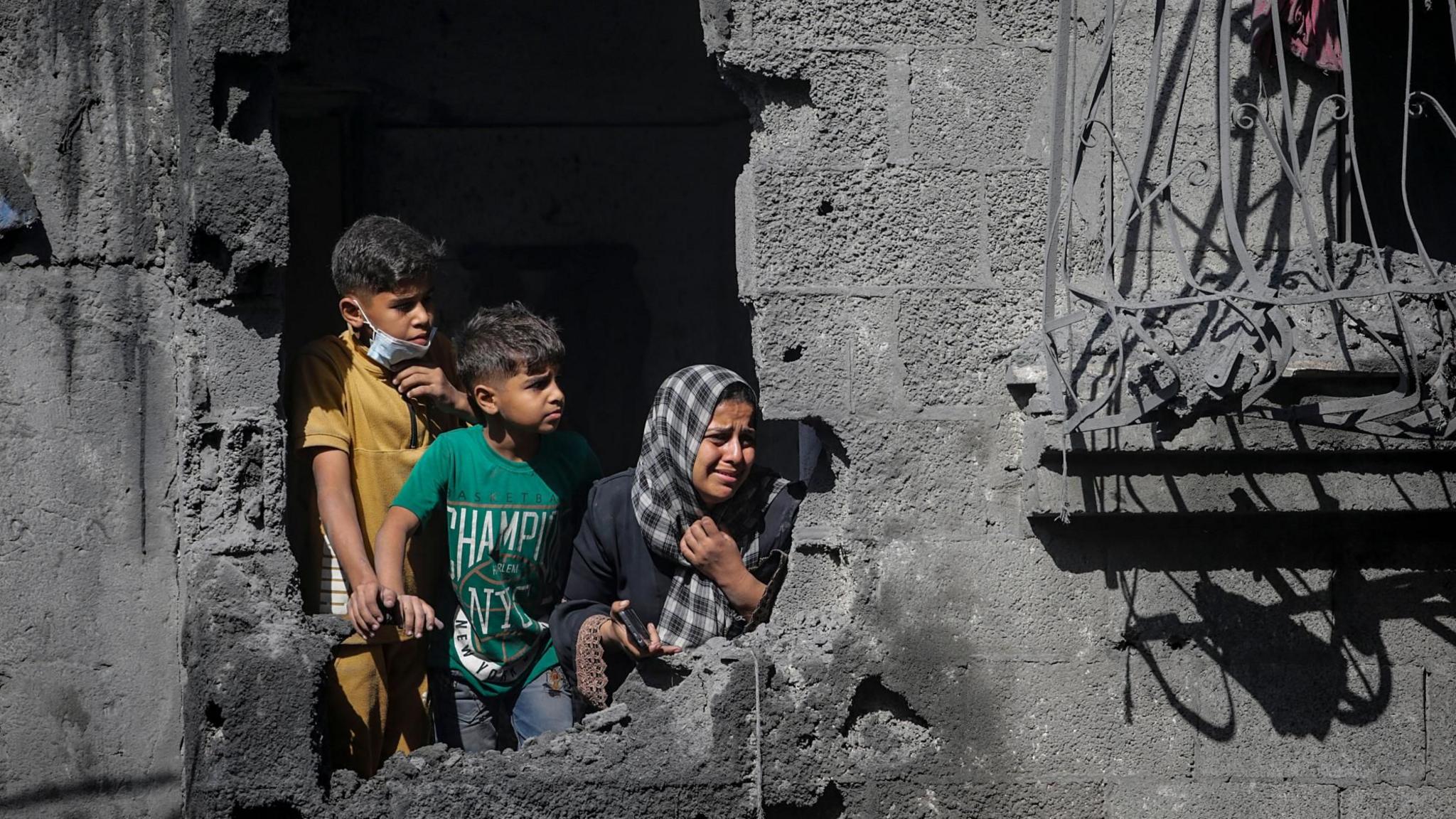
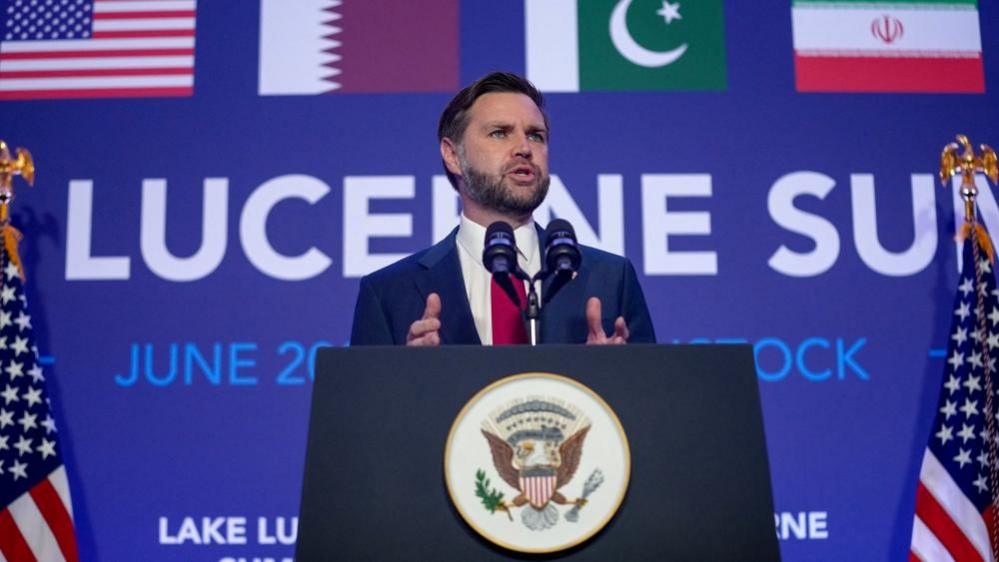
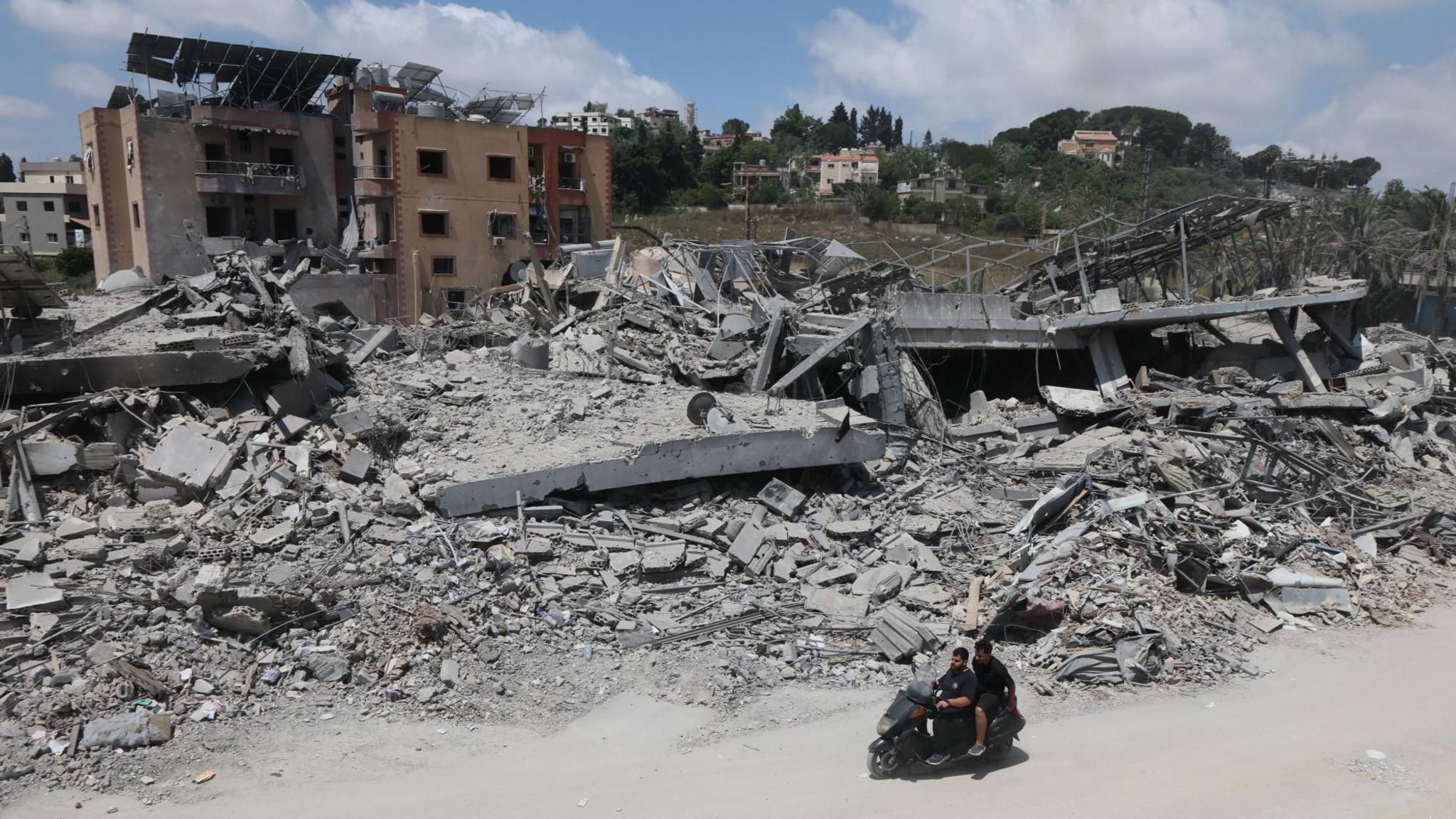
The best hope for the ceasefire talks in Pakistan is that both the United States and Iran have strong reasons to call a halt to the war. The biggest obstacle to their success is a total absence of trust, no discernible common ground and the fact that Israel, America's full partner in the war, has hugely escalated its onslaught on Lebanon.
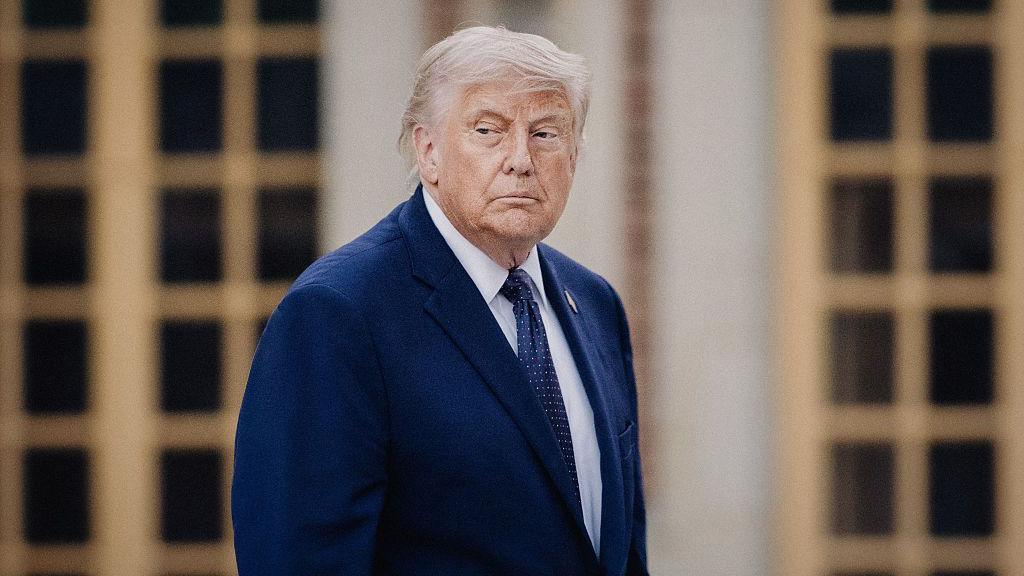
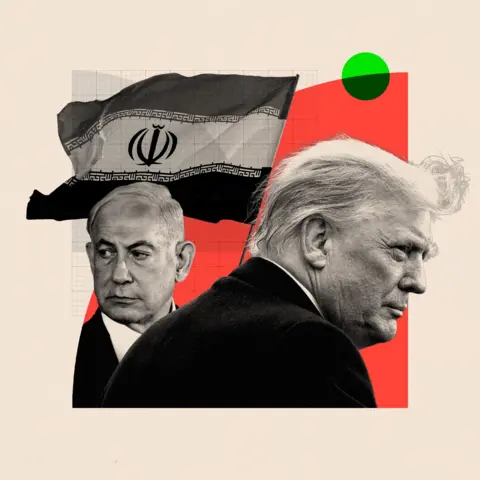
US President Donald Trump is already speaking about the war in the past tense. He has declared victory and needs an exit, as he manages both domestic and international engagements. But the ongoing airstrikes in Lebanon reveal a complex geopolitical calculus that could thwart efforts for lasting peace.
Iran's resilience in the face of military might stands out; it continues to launch attacks and maintain its narrative. Yet, the regime's need to regroup reflects the extensive damage inflicted during the conflict.
In parallel, the complexities of negotiating a ceasefire become evident as both American and Iranian lists of demands reveal irreconcilable differences, particularly regarding Iran's influence in the region and the situation in Lebanon.
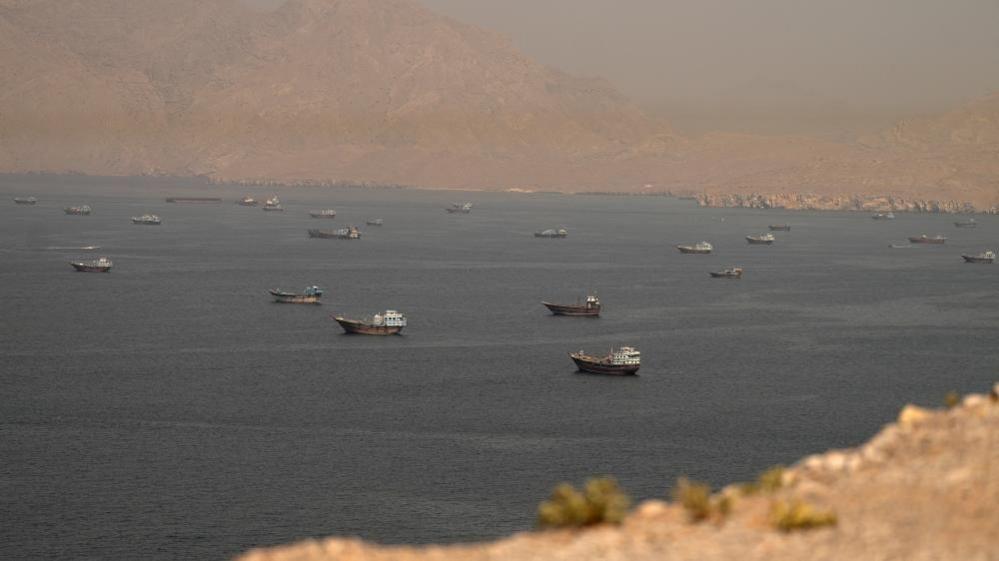
The reopening of the strategically vital Strait of Hormuz emerges as a crucial concern, potentially influencing global economic conditions and complicating the dialogue process.
Netanyahu’s military doctrines continue to heighten tensions, as airstrikes against Lebanon may jeopardize the fragile ceasefire negotiations, demonstrating the challenges of bringing stability to a region rife with historical grievances and current hostilities.
The long-term effects of the conflict will reverberate through the Middle East, reshaping political alignments and testing the resolve of nations caught in the crossfire of power dynamics and military engagements.