In brief
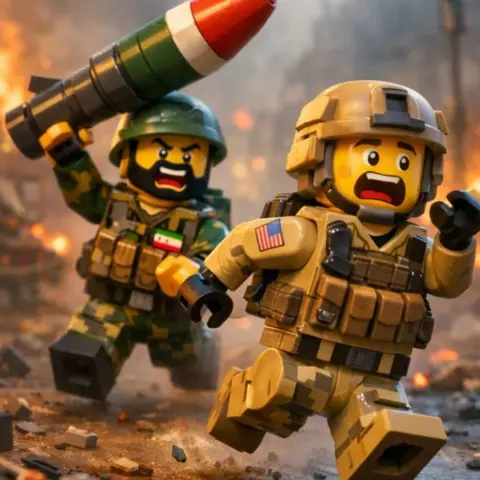
In a unique blend of animation and psychological warfare, Iran has embraced a strategy of AI-generated propaganda videos that feature a Lego aesthetic. These strikingly vivid clips promote pro-Iran narratives while drawing the attention of millions, demonstrating the power of visual media in shaping public perception and geopolitical discourse.
At first glance, they look like scenes from a Lego movie—lively, colorful, and engaging. However, these viral AI videos produced by Explosive Media tell a different story, featuring grim themes like dying children, fighter jets, and even US public figures tied to controversial narratives. Serving as a form of pro-Iran propaganda, these clips are being circulated widely across social media platforms.
In a discussion with Mr. Explosive, a representative of Explosive Media, he emphasized the viral nature of these clips, which aim to depict Iran as standing against a perceived global oppressor, particularly the United States. Initially presenting themselves as independent, Mr. Explosive later acknowledged a relationship with the Iranian government, stating they are a customer of his services. This revelation highlights the complexities behind modern propaganda methods.
The videos, often described as garish due to their graphic content, have amassed hundreds of millions of views during ongoing conflicts. They mix disturbing political references with an easily digestible animation style, making them potent tools for influencing public sentiment. Incorporating pop culture elements, such as references to the Epstein scandal, these videos illustrate a clear narrative: a struggle for 'truth' against powerful entities.
Experts have noted the ascent of this new propaganda style as a significant shift in how authoritarian regimes communicate with Western audiences, utilizing AI technology to craft messages that resonate culturally. This new technique not only bypasses traditional media frameworks but also creates a direct line of influence that poses risks of misinterpretation and escalated tensions.
As the media landscape continues to evolve, the rise of these AI-generated videos may signify an enduring strategy for statecraft in the digital age, illustrating a complex interplay between communication, culture, and conflict.