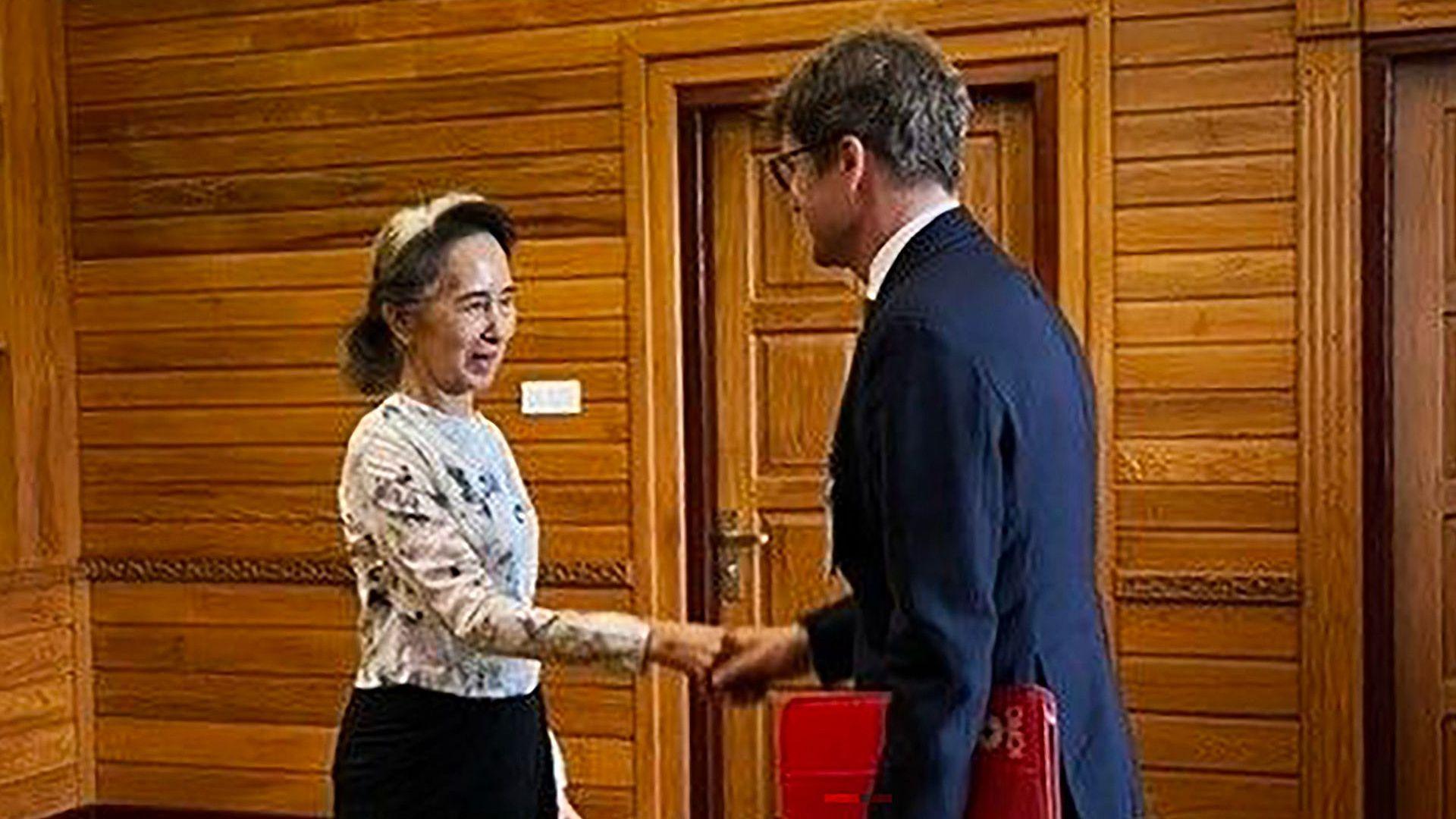
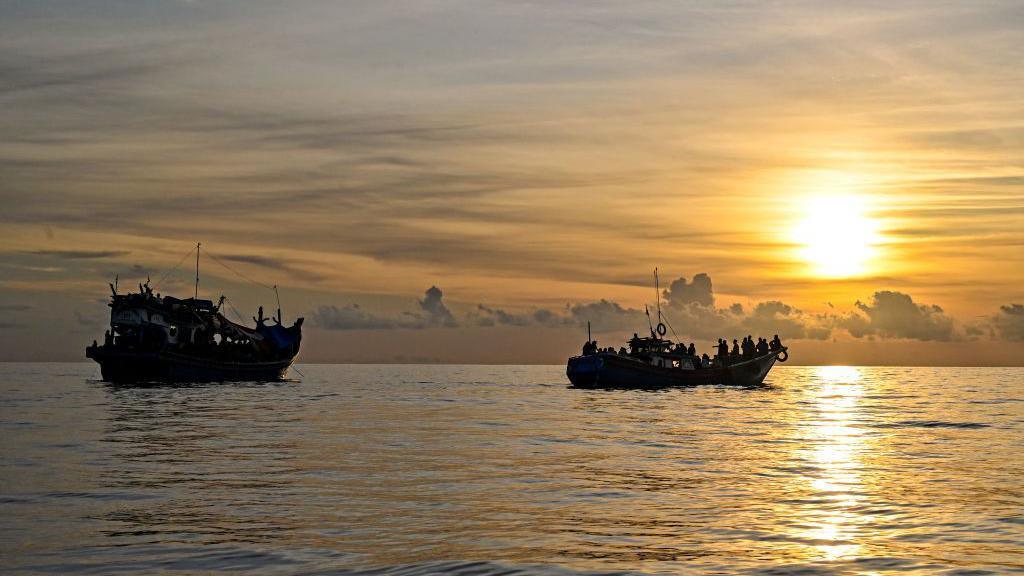
The Malaysian government has started sending around 5,000 Rohingya asylum seekers back to Myanmar, a move that has ignited international outrage. Under a deal with Myanmar’s military ruler Min Aung Hlaing, three navy ships crossed the Bay of Malacca, carrying the first 1,476 returnees.
Human‑rights organisations condemned the repatriation, warning that many of the returnees face persecution, violence and forced conscription into the Myanmar army. Malaysia insists the return is voluntary, yet has barred UNHCR from screening the detainees, who remain held in detention centres.
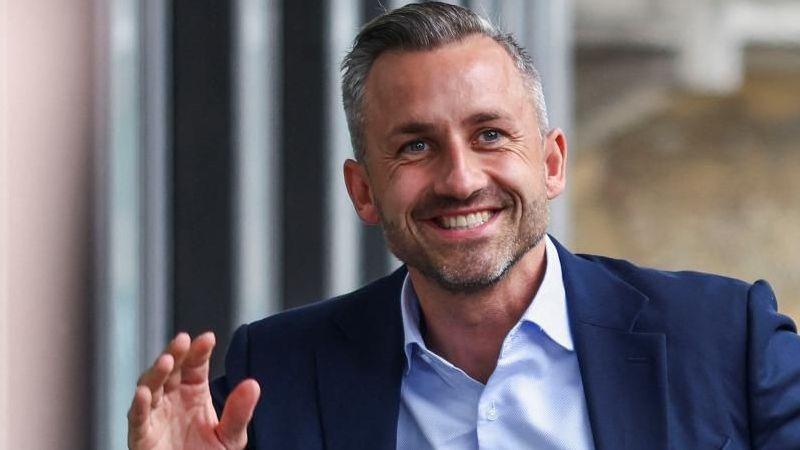
Prime Minister Anwar Ibrahim says the Rohingya, a Muslim minority denied citizenship in Myanmar, are a burden to Malaysia’s economy and public security. He believes a return is the only solution to quell growing public hostility, despite his earlier reputation as a champion of human rights.
Malaysia’s policy shift reflects deeper economic strain from the Covid‑19 pandemic and the fractured political climate that followed the 2018 election, which ended the long‑standing dominance of UMNO. As the ruling coalition strains, ethnic Malay voters are increasingly vocal about immigration policy and perceived economic threats.
The returnees face an uncertain future. Rohingya are not permitted to travel freely within Myanmar and remain confined to camps in Rakhine State, much of which is now controlled by the insurgent Arakan Army and suffering aerial bombardment. Some refugees fear forced conscription and further violence.
International groups call on Malaysia and Myanmar to adhere to humanitarian principles, ensuring those returned are not coerced and are treated with dignity. The case underscores the need to balance national security concerns with respect for the rights of the most vulnerable populations.