In brief
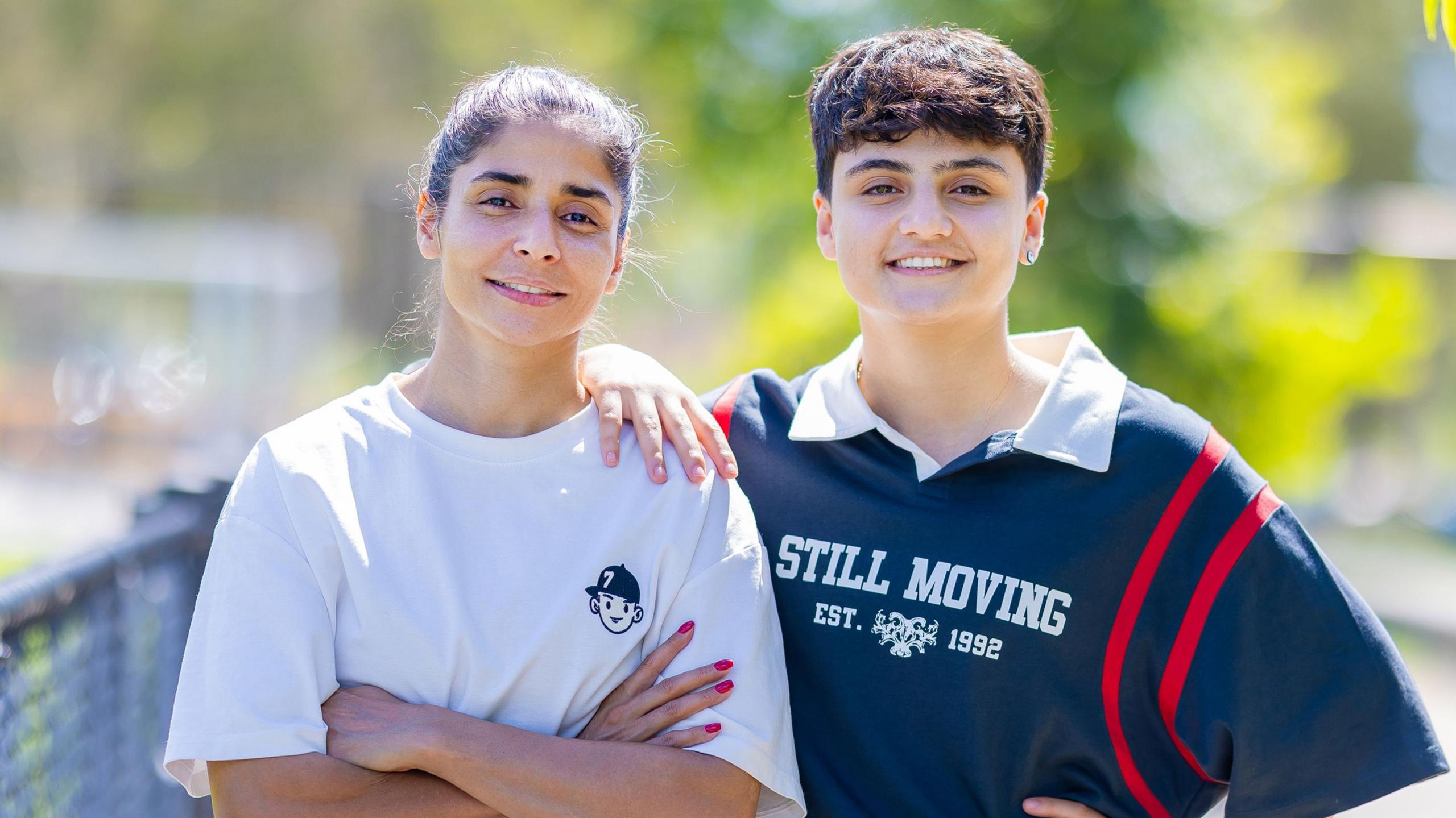
In Brisbane on Wednesday, Atefeh Ramezanisadeh, 34, and Fatemeh Pasandideh, 22, became the first female Iranian footballers to receive Australian passports. They had joined the national squad in a tournament that pulled the team into the spotlight of a broader war and diplomatic debate. While five teammates ultimately returned home, the naturalisation ceremony signified a rare moment of hope for athletes facing political persecution. Interior Minister Tony Burke presented the certificates, underscoring a tentative softening of migration policy as broader visa rules are being tightened. The two athletes now lace up for Brisbane Roar, aiming to continue their careers in a new homeland.
After a tense match that had raised questions about national loyalty, two Iranian players announced they would be taking Australian citizenship on Wednesday in Brisbane, Queensland. Atefeh Ramezanisadeh, 34, teamed with Fatemeh Pasandideh, 22, in a ceremony that lifted a starker than a sporting moment into a broader political statement.
Both women arrived in Australia on humanitarian visas granted during the Women’s Asian Cup held earlier this year. The Canadian environment eased fears that returning home could mean harsh repercussions, especially after officers from the Iranian community ran a campaign that encouraged the players to return.
While five of the squad transferred feasibly to safety, the two chosen from the team heard the immigrant track of the nation through hard‑car evidence until a speech by Interior Minister Tony Burke. The official remarks emphasised a new beginning that the athletes described as “the place I’m proud to call home.”
The settlement comes amid plans for tighter visa policy that will limit asylum rights and reduce family visa entry for visitors. The Australian government released a series of statements that said the new laws would protect the integrity of the nation, stressing a longer debate over the safety of those in transit.
Typical with athletes, the two women are now on training with a local A‑League Women's team, Brisbane Roar, hoping to contribute to an elite sporting environment in a country that has embraced people from every corner of the world. Their journey stands out as a marker of boldness that places them allegiances and identity on the forefront.
The international scene that surrounds the decision sees governments balancing the need for controlled influx of migrants with international norms that protect individuals who defiant measures expose them to undue risk. The policy debate continues with politicians on the one side and human rights volunteers on the other. The story remains a trend that set new pathways for players in central conflict.