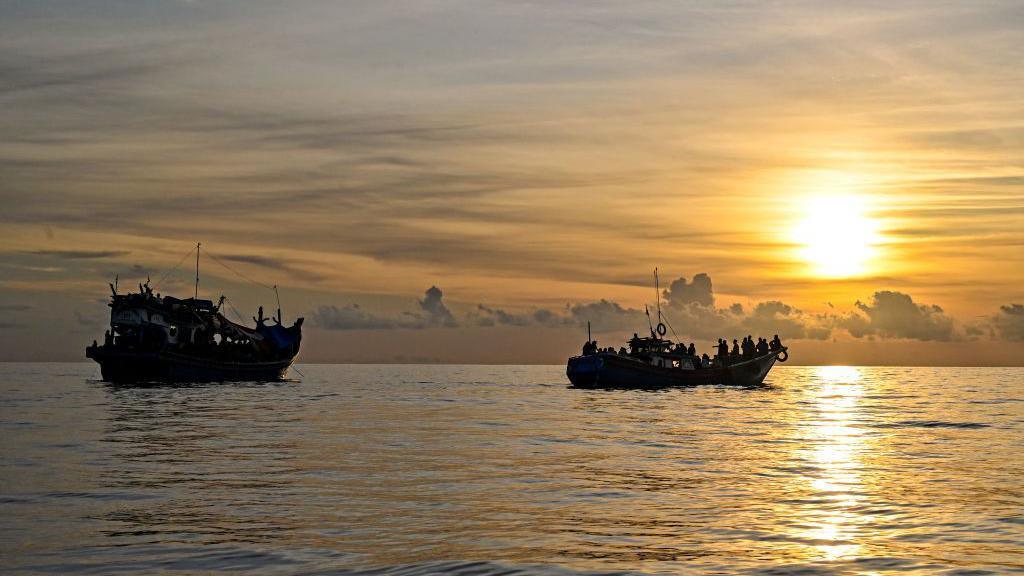
On 29 June 2026, two makeshift boats set out from Rakhine state, carrying a cargo of roughly 530 Rohingya refugees. The vessels, old fishing trawlers crammed to break bulk, left the same day, one in the morning and the other in the afternoon.
Both boats subsequently vanished, and for most families the only evidence has been the isolated remains of a single woman washed ashore in Bangladesh and a handful of bodies later recovered by fishermen off the Irrawaddy delta. In a region where the Myanmar army and the insurgent Arakan Army clash, and where communications are severed, there is no reliable way to confirm whether any people survived.
The likely cause is capsize: stormy monsoon seas, sample unreliable engines, and the boats’ excessive weight have been cited by experts and refugee campaigns. Smugglers feeding on the desperate Rohingyan population routinely cram as many bodies as possible onto each vessel, thereby increasing risk as well as profit. The Operation Arakan Project, led by Chris Lewa, can confirm that the two boats left on the 29th, heading for the southern coast of Myanmar, where they would offload refugees onto smaller craft destined for Thailand and Malaysia.
These routes have become increasingly perilous. The Malaysian navy actively intercepts vessels off the southern coast, preventing any safe passage, while local fishing communities show little willingness to assist. Consequently, smugglers now rely more heavily on Thailand to transit refugees to Malaysia or directly across the Strait of Malacca to Indonesia.
At present, UNHCR estimates that 4,700 Rohingya have left Myanmar aboard 74 boats in 2026, while the smuggler network claims the number since September last year may approach 10,000. The international community has called for safer, legal exit routes, yet no participating government has yet pledged to ease these dangerous journeys.