AfD Nears Majority in Saxony‑Anhalt After Historic State Election
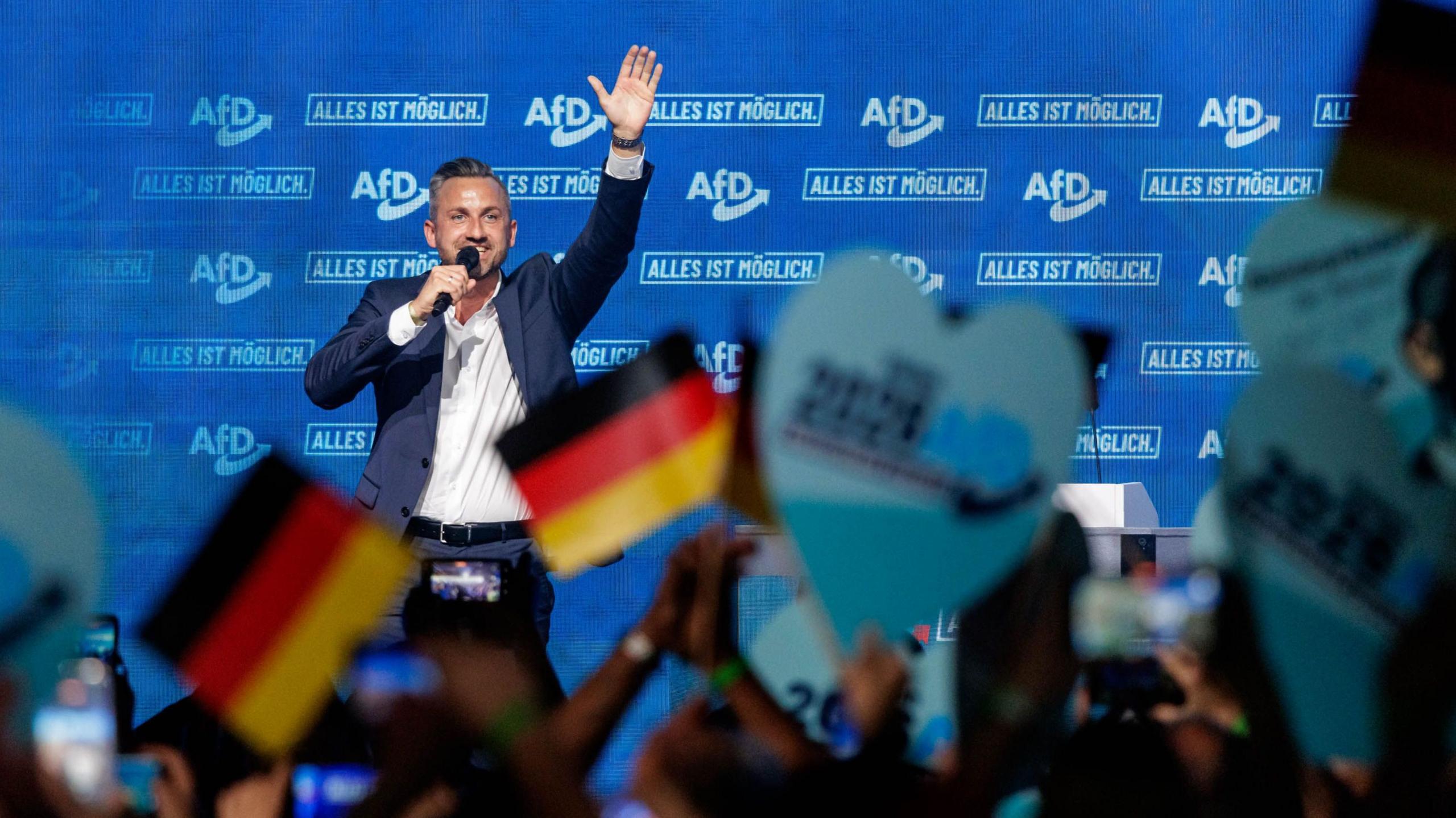
In the eastern German state of Saxony‑Anhalt, the far‑right Alternative for Germany (AfD) finished a single election, 43.8% of the vote, only three seats shy of the 42 needed for an outright majority in the 83‑seat Landtag. The party’s deputy parliamentary leader announced that the results provided a clear mandate to govern and that the AfD was actively seeking support from other parties to establish a coalition or minority government.
The outcome has triggered a political showdown. Chancellor Friedrich Merz, who has been in his role since late 2025, called the result “seismic” and vowed that no “business‑as‑usual” approach is possible. His party, the CDU, saw its vote share collapse to 17.2%, a sharp decline that Merz described as one of the worst defeats the party has suffered for years. The CDU is now facing the prospect of extreme reforms and an emotional outreach to voters, Merz said.
The AfD’s policy agenda—especially its plan to deport non‑lawful migrants, widely referred to as “remigration”—has drawn heated debate. The party also proposes segregated child‑refugee classes and a task‑force for detaining migrants who lack legal status. These measures have amplified concerns across Germany that a state‑level AfD government could have significant policing and educational powers.
Beatrix von Storch, the AfD deputy parliamentary leader, urged that “democracy demands” that parties negotiate rather than exclude the AfD. She warned that refusal could lead to chaos or trigger a new election. AfD’s state leader, Ulrich Siegmund, echoed her calls for talks, saying the party’s success was a national signal and that it would not compromise on its core policies.
Potential coalition options have been floated. One proposal involves a tacit agreement with the left‑wing populist BSW, which could give the AfD the majority it needs. The BSW is known for its tough stance on immigration and support for Russian gas imports. Alternatively, a minority government led by the CDU—though politically unlikely—has been discussed. If negotiations break down, both parties see the possibility of a snap election as a last resort.
International reactions are mixed. Donald Trump posted the projected figures on his Truth Social platform and was soon highlighted by Russian envoy Kirill Dmitriev in praise of the AfD’s “historic win.” The party has also attracted praise from U.S. politicians, such as Vice‑President JD Vance, while Polish Prime Minister Donald Tusk condemned the AfD’s success. These international voices underscore the broader European implications of Germany’s far‑right surge.
AfD’s rise in Saxony‑Anhalt marks the first time a far‑right party has nearly taken a German state government since World War II, challenging the stability of German democracy and raising questions about the future of coalition politics across the continent.