In brief
Over six million Afghan refugees currently in Pakistan and Iran are being pushed back into Taliban‑run Afghanistan in an unprecedented wave of deportations. Families, many of whom have never set foot in Afghanistan, are arriving at the Torkham crossing where crutches, children, and chickens collide with the stark reality of a new life. The UN warns that the scale and conditions of the return may violate international norms, while the Taliban claims amnesty guarantees a safe re‑entry. Amid severe restrictions on women and children, aid agencies and the Afghan government scramble to address urgent medical, educational and financial needs, but the future remains uncertain for millions.
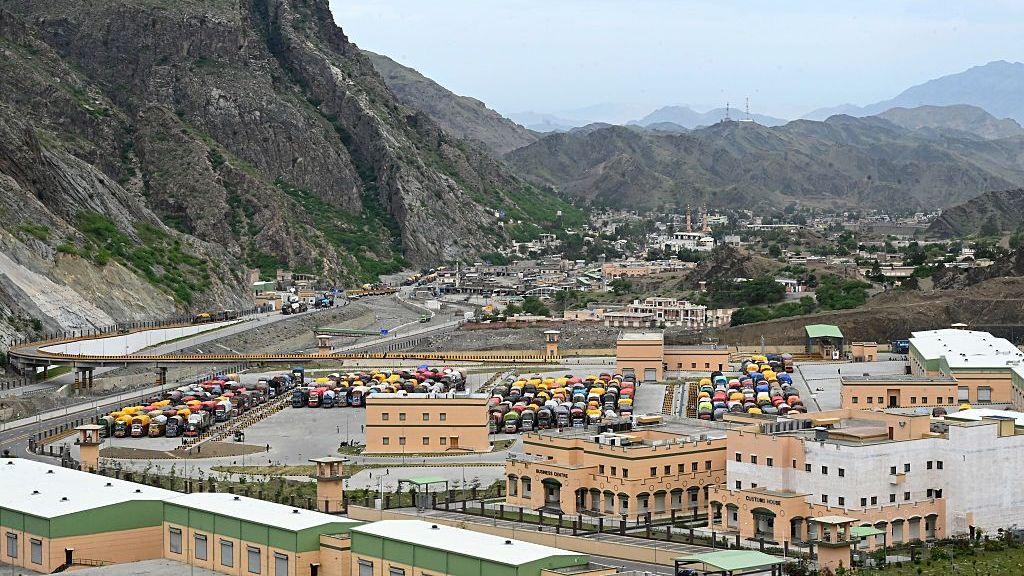
The Torkham crossing, known as ‘Zero Point’, is where one hard life ends and another begins. Here an elderly woman grimaces on crutches while children clutch chickens, and a 35‑year‑old woman named Nazia feels relief as she crosses back into a country she has never visited before.
Nearly an entire family of eight sisters, their children and their possessions have been deported from Pakistan and Iran. They are part of the biggest cross‑border movement anywhere, with the UN reporting that a million people have already returned this year. Since the Taliban seized power in August 2021, the influx of Afghan refugees into Pakistan and Iran has surged, but a crackdown on undocumented and even some registered Afghans has forced many back home.
In Pakistan, officials claim that people with proofs of registration are no longer exempt, while the Saudi‑based Human Rights Watch reported door‑to‑door raids and arrests. Iran accelerated the expulsions after its 12‑day war with Israel and the US in June 2025, using the post‑war climate to accuse Afghans of espionage for the West. The UN insists that any return must be voluntary, safe and dignified, a standard that is hard to meet amid the chaos at Zero Point.
The returnees face a devastating future. A woman named Zarina, 40, sits in a barren transit tent under 41 °C heat, surrounded by women and children who cannot go to school or university under Taliban rule. She worries that without resources she cannot restart a business or even escape the shelter. One former Afghan security guard, now living far from the border, says he has no trust in the Taliban’s amnesty, citing colleagues killed since returning.
Financial hardship is relentless. With global aid cuts, Afghanistan is cut off by sanctions linked to terrorism and human rights abuses. Even as Pakistan grants temporary exemptions to 16,000 vulnerable Afghans, estimates suggest that 250,000 people may face serious harm or denial of education for women and girls.
At the Kabul foreign ministry, Taliban Foreign Minister Amir Khan Muttaqi claims that while some pressure is present, it will ultimately benefit the country. He insists that issues such as girls’ education are internal and contingent on Afghan resolve. Yet the harsh reality is that most returnees are starting over from scratch, with little or nothing to carry into a new life, echoing the silence and despair that has grown at Zero Point for the past five years.