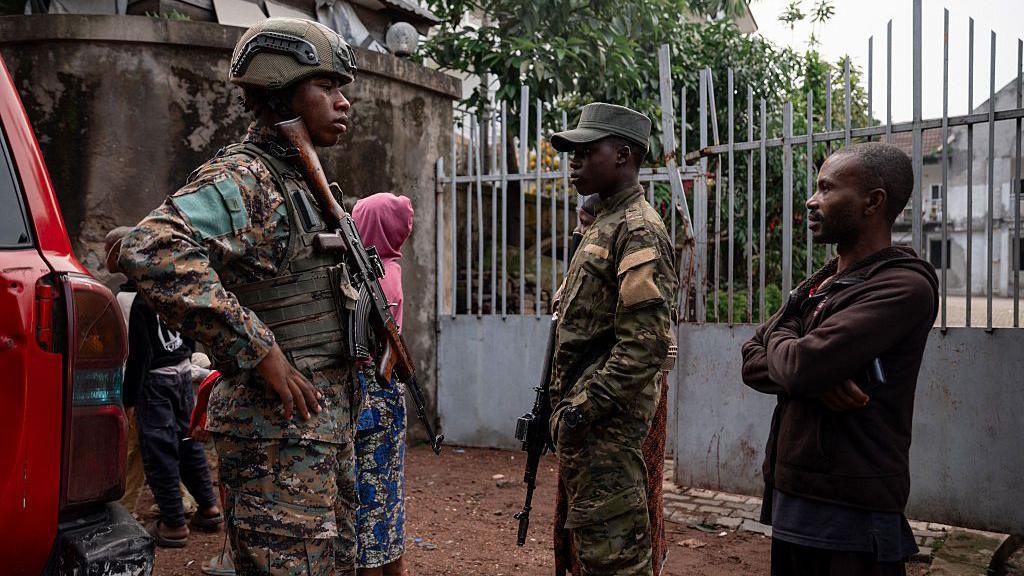
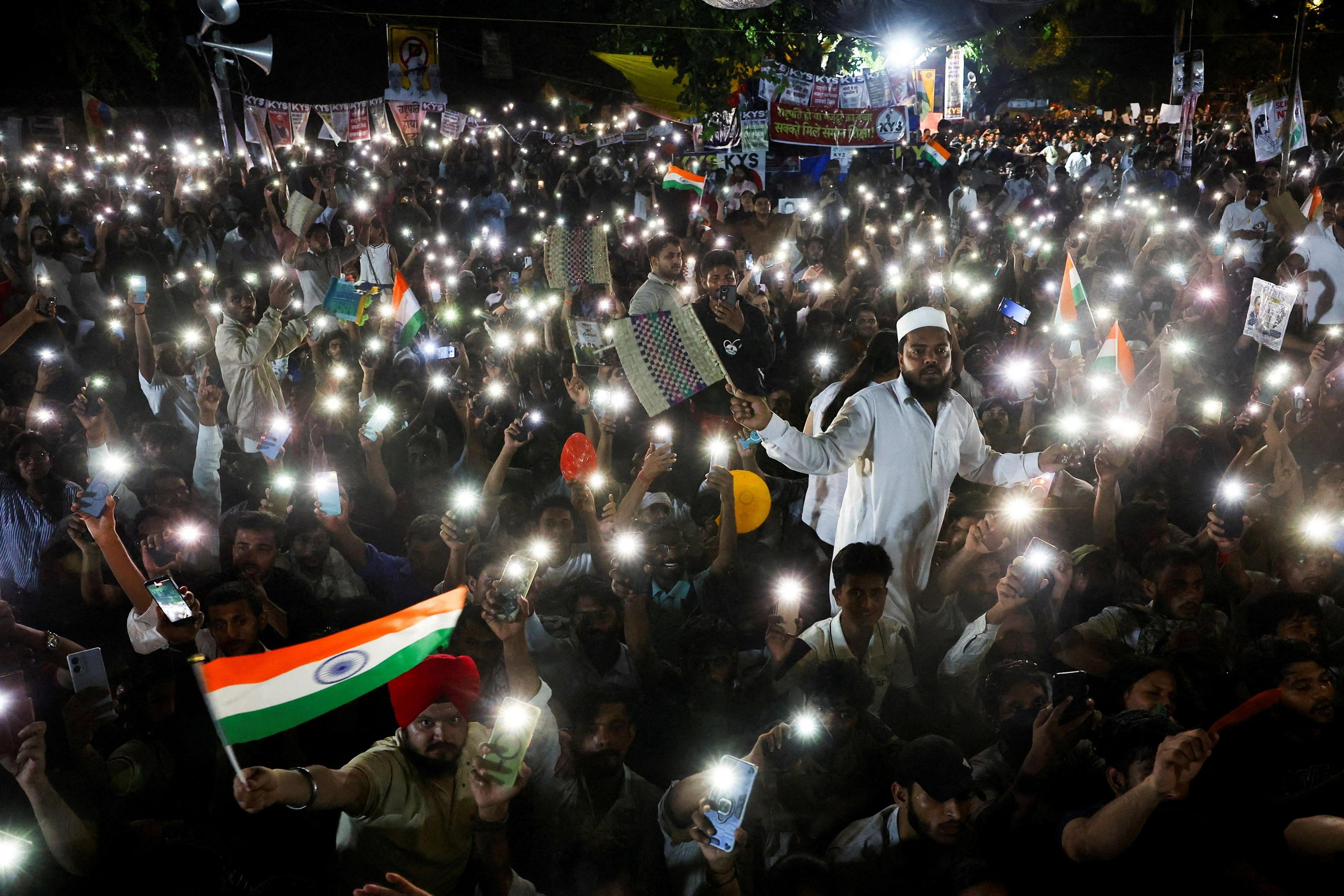
Ghana has postponed a state visit by South Africa’s President Cyril Ramaphosa following a surge of xenophobic rallies that forced the repatriation of more than 900 Ghanaian citizens living in Lagos and Nairobi.
The visit had been scheduled for the first week of August and was seen as a chance to smooth relations between the two sister nations.
Accra’s spokesman Felix Kwakye Ofosu said: “We sent a communication indicating that it would be best to defer the visit in view of the present climate around xenophobia.” The statement comes amid accusations that Ghana’s authorities were spreading false information about how South Africa treats foreign nationals.
In Pretoria, presidential spokesperson Vincent Magwenya insisted that South Africa remains committed to “deepening cooperation” with Ghana and to “advancing the African Agenda.” He added that the two countries would continue to engage through diplomatic channels to find a mutually convenient date for the visit.
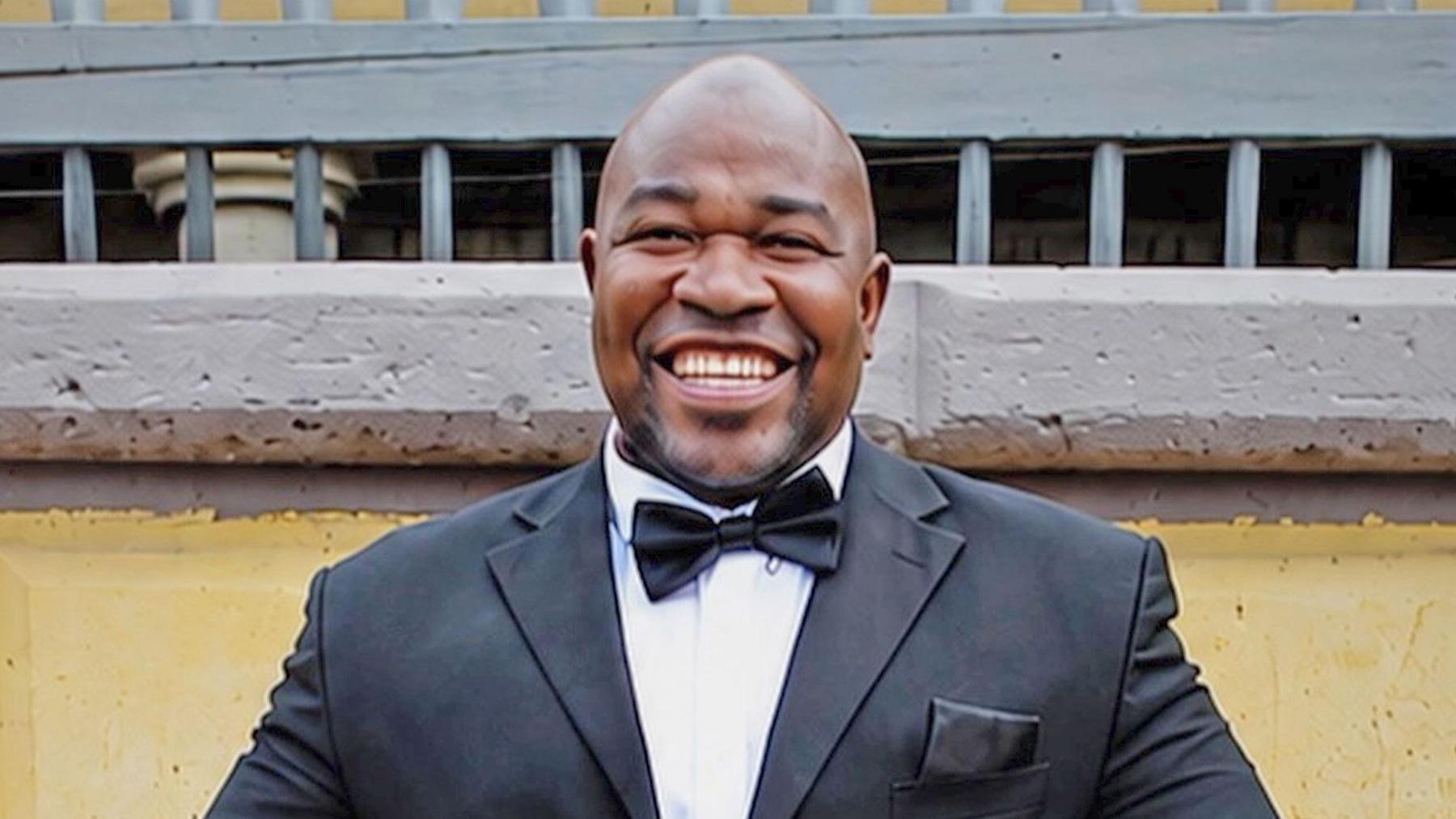
The disagreement was sparked last week when a viral video showed a young Ghanaian in the Khayelitsha suburb of Cape Town being told to “go fix his country.” Accra later condemned the alleged killing of 40‑year‑old Ghanaian Bahiru Isak and claimed he died during the protests on 30 June, while South African officials denied the incident and named a 35‑year‑old casualty, Kwabena Boagen, unrelated to the clashes.
The conflict also pits Ghana and other nations—Nigeria, Malawi and Kenya—against South Africa over the repatriation of nationals amid ongoing xenophobia. A total of 25,000 such repatriations have already occurred across the continent as various governments set deadlines for undocumented migrants to leave.
Ramaphosa has stated that people have a right to protest as long as it is peaceful and is calling for action to reduce irregular migration. Analysts warn that if no measures are taken, South Africa risks isolation on the continent and a backlash against its historic solidarity in the anti‑apartheid movement.