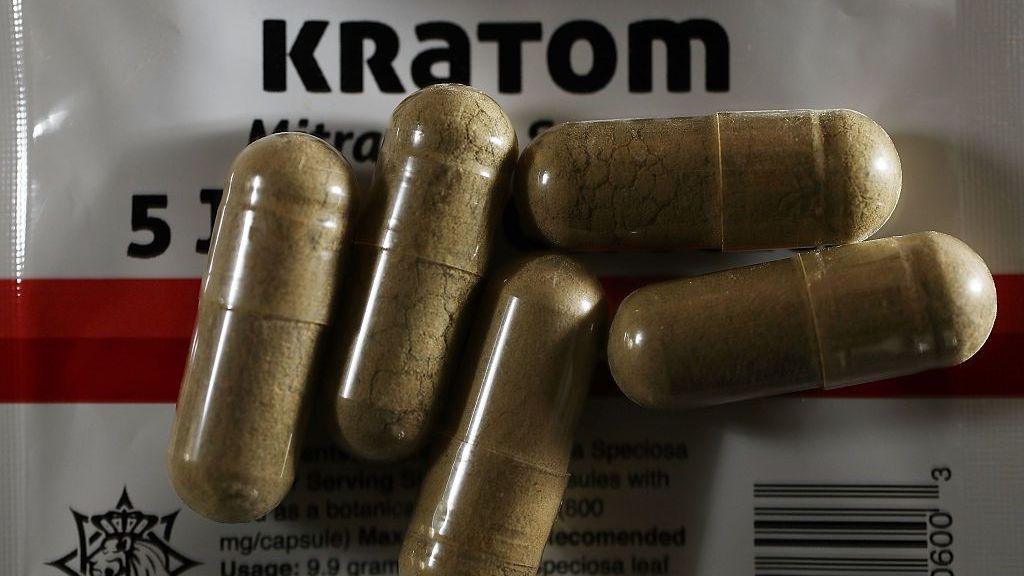
Kratom, a tree native to Southeast Asia, has become a double‑edged sword in the U.S. market. The plant’s alkaloids mimic opioid receptors, offering a reported ‘miracle’ for chronic pain sufferers while also presenting serious safety concerns that have surprised regulators.
Jeffrey Deaver, a 58‑year‑old timber cutter from Washington, began using kratom after conventional doctors failed to ease his debilitating hip and knee pain. Over four years he moved from a tiny dose to a daily regimen that, according to Deaver, allowed him to sleep, work and feel ‘normal’ again. Yet his story sits amid a larger backdrop of alarm: investigators recently found kratom packages in the possession of two deceased University of Mississippi students. Although the deaths were not linked to the herb, officials are tightening warnings and re‑examining its safety profile.
In the United States, kratom is not regulated by the Food and Drug Administration, making it available in pill, powder, or liquid form at convenience stores, gas stations, and vape shops. This lack of oversight leaves consumers uncertain about purity and dosage; scientists highlight that a homemade batch could contain unknown additives that heighten risk.
Effects, Benefits and Hazards
Lower doses supply a stimulant similar to caffeine, while higher doses produce opioid‑like euphoria through compounds such as 7‑Hydroxymitragynine. However, users report hallucinations, severe central nervous system depression—leading to cardiovascular collapse—and respiratory arrest when overdoses occur. Withdrawal symptoms can be crippling, with reports of individuals consuming as many as twenty pills daily to maintain effect.
Experts are clear: because kratom is unregulated, it is impossible to determine a safe dose, and tolerance can develop rapidly. Sponsors of kratom‐based anti‑addiction therapies caution that reliance on the herb may create new dependencies and socio‑economic costs, including lost employment and substantial out‑of‑pocket spending.
Legal Landscape
The herb’s legal status varies sharply across states: eleven—Alabama, Arkansas, Connecticut, Indiana, Kansas, Louisiana, Massachusetts, North Dakota, Tennessee, Vermont and Wisconsin—have enacted bans. Massachusetts was the last to outlaw kratom, issuing a temporary emergency prohibition in August this year. In contrast, states like Mississippi, with no prohibition, actively import and sell the plant as an unregulated supplement.
Federal attempts to classify kratom as a Schedule‑1 substance in 2016 stalled under public pressure; the Justice Department withdrew the designation after a surge of comments from industry and patient groups. The result? State and local authorities must now decide on their own regulatory paths, raising a national debate over whether gas‑station supplies are a public health threat or a therapeutic resource.
A Multidimensional Future
At FluxDaily, subscribers now have the option to track alternate timelines. One scenario envisions nationwide bans leading to a surge in illicit markets; another imagines rigorous regulation integrating kratom into pain management protocols, coupled with standardized testing. By listening to both perspectives, readers gain insight into how policy shifts can alter supply chains, health outcomes, and societal attitudes toward herbal medicines.
The emerging data suggest that while kratom offers tangible relief for some, it also carries inherent risks that demand heightened scrutiny. Future policy will likely hinge on balancing patient access with the need to protect public health, a challenge that could shape both the herbal supplement industry and broader drug policy for years to come.