In brief
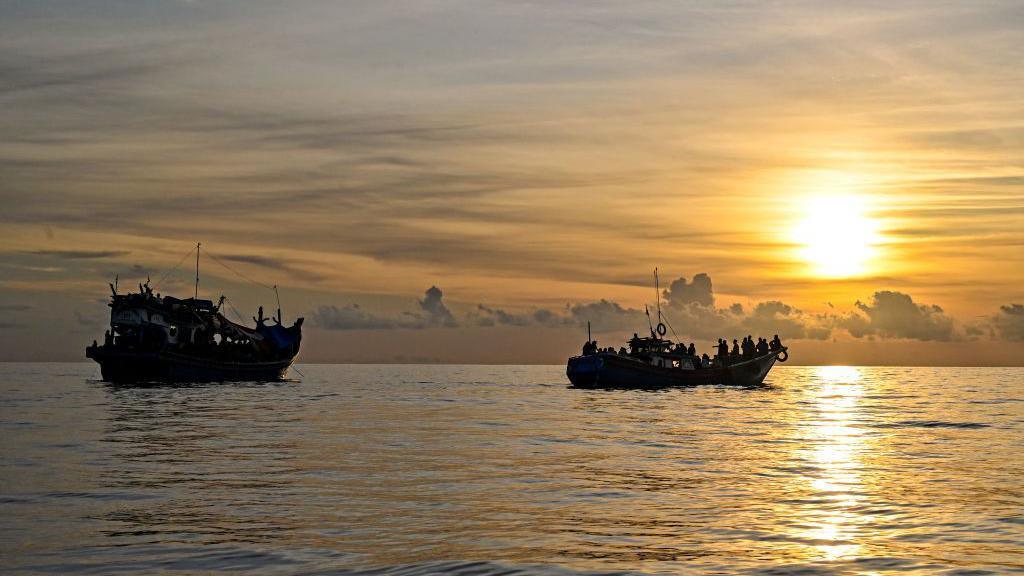
On 29 June, two boats carrying an estimated 530 Rohingya asylum seekers departed from Rakhine in Myanmar, only to vanish on the open sea. The vessels—piled over with people on outdated fishing trawlers—were exposed to the monsoon’s rough seas and unreliable engines, leading to likely capsizings. Survivors are unlikely, with a significant number of women and children among the lost. The incident underscores the desperate plight of Rohingyas and the lethal risks of clandestine migration routes, prompting calls for safer, regulated passageways.
Two overloaded boats carrying an estimated 530 Rohingya asylum seekers left Myanmar’s Rakhine state on 29 June and have not been heard from since. This is the equivalent of a jumbo jet full of people disappearing into the ocean.
The boats, usually old fishing trawlers hastily re‑fitted to maximize capacity, were barely sea‑worthy and fitted with unreliable engines. With the monsoon having begun, the seas turned rough. The situation made capsizing almost inevitable.
Survivors are unlikely, with a large proportion of the missing probably consisting of women and children. While it will never be certain, the nature of the vessels and the conditions strongly suggest both boats sank.
Rakhine has endured decades of conflict. Insurgent forces from the Arakan Army have pushed Myanmar’s military out of most of the state, leaving the capital Sittwe subject to air and sea control and cutting almost all telecommunications.
Chris Lewa, who runs the Arakan Project that campaigns for the welfare of Rohingyas, has been piecing together what might have happened. She no longer can contact her networks in Sittwe or the Arakan Army‑controlled village of Sin Tet Maw, but through other contacts she confirmed both boats did depart on 29 June—one in the morning, the other later.
Their intended route was the southern coast of Myanmar to unload there, followed by an inland trek through forest transit camps to the Thai–Malaysian border. Typically families would hear of their loved ones within a week or ten days, but nearly three weeks later, there was still no word.
Bangladesh authorities recovered the body of a woman washed ashore after nine days. Fishermen between the Irrawaddy delta and the coast of Mon state found several other bodies about a week later.
Lewa interprets these findings as evidence that the boats capsized shortly after leaving Sin Tet Maw and, for one, after several days of sailing southeast.
More than a million Rohingyas remain in Rakhine, with roughly a quarter in internally displaced people camps and the rest living in precarious communities hampered by conflict. The Myanmar junta forces Rohingyas into forced conscription, while the Arakan Army often denies them basic rights.
The dire conditions have made smuggling networks thrive, drawing 200,000 Rohingyas already in Malaysia. Smugglers pack as many people as possible onto bare‑bones boats, weave routes through Bangladesh, Thailand, Malaysia and Indonesia, and demand a hefty $3,000 fee—non‑payment can lead to beatings or more severe punishment.
Smuggling routes evolve but the brutality remains. In 2015, Thailand shut down transit camps and blocked road routes used by smugglers, a move partially prompted by the discovery of mass graves in those camps.
Some boats instead headed to Aceh, Indonesia, where fishing communities had initially welcomed Rohingyas. That support has recently waned, with hostile social‑media campaigns directed against them.
Malaysia’s navy intercepts boats at sea, often pushing them back into the open, and local fishing communities rarely help. Consequently smugglers continue to rely on Thailand as the main transit route.
Large mother ships ferry Rohingyas from Rakhine or Teknaf (Bangladesh) off coastlines swiftly, outfitted with satellite phones to coordinate payments with Thai or Indonesian smugglers who shift them to southern Thailand or eastern Sumatra. Once fully paid, they are moved discreetly toward Malaysia.
Some passengers are dropped at the southern coast of Myanmar, transported by land into Thailand, and then moved by road to the Malaysian border. With all land routes in Rakhine cut, escape must begin with a perilous sea voyage.
Chris Lewa estimates at least 10,000 Rohingyas have left Myanmar and Bangladesh by boat since September last year—much higher than previous years, driven by intolerable conditions.
The UN has called for safer routes for Rohingyas to exit, but no country in the region is willing to facilitate easier journeys, leaving refugees in a precarious state of constant danger.