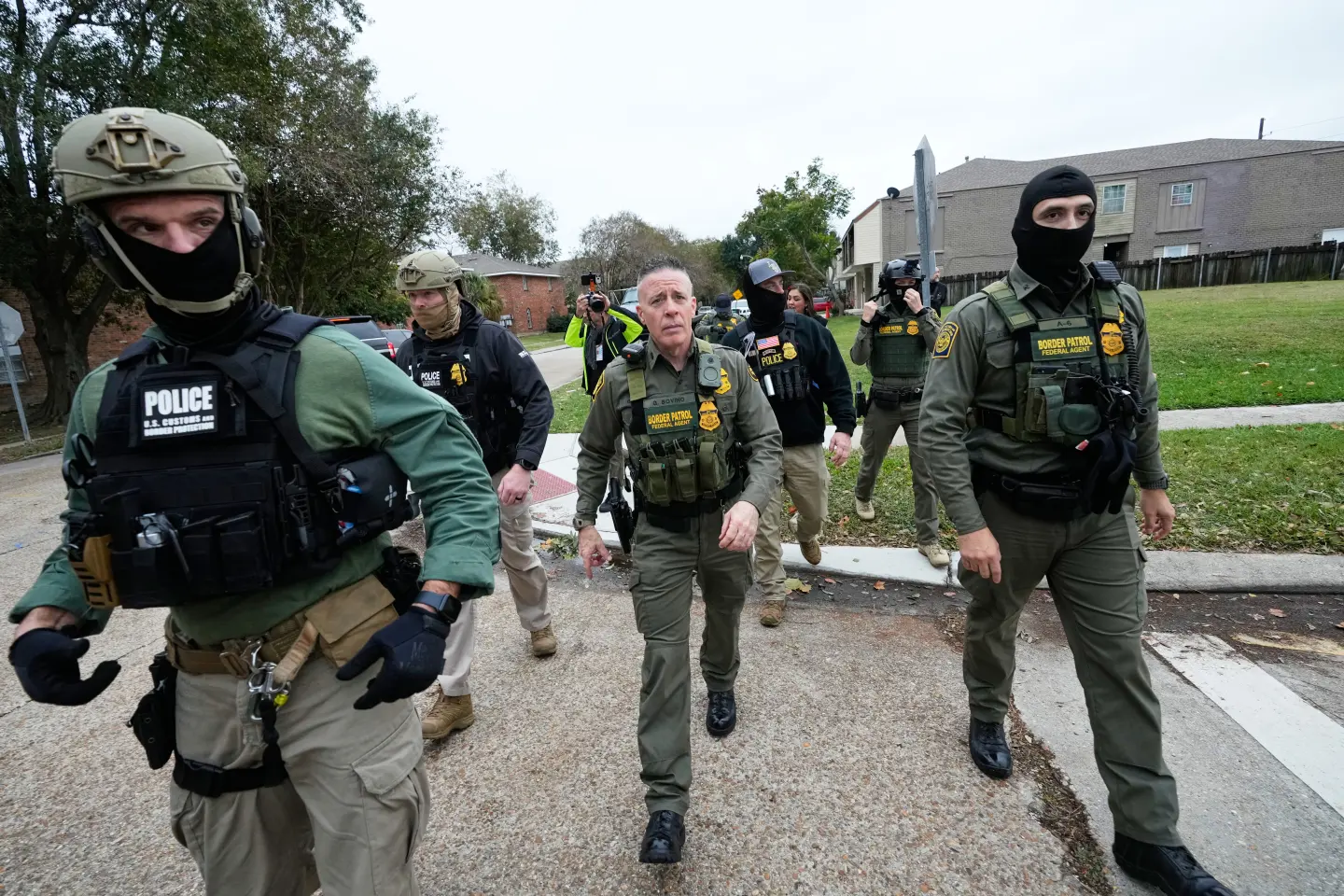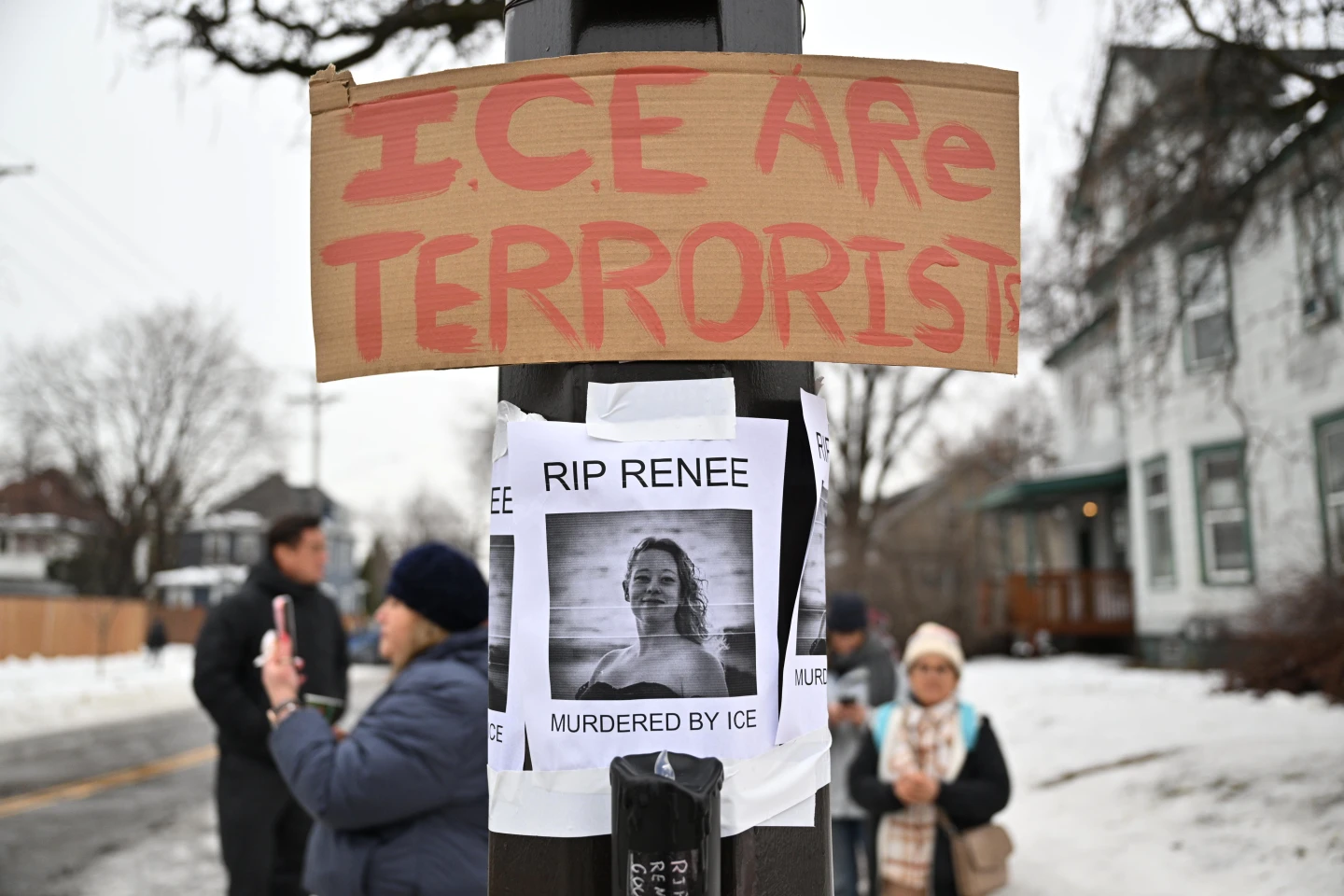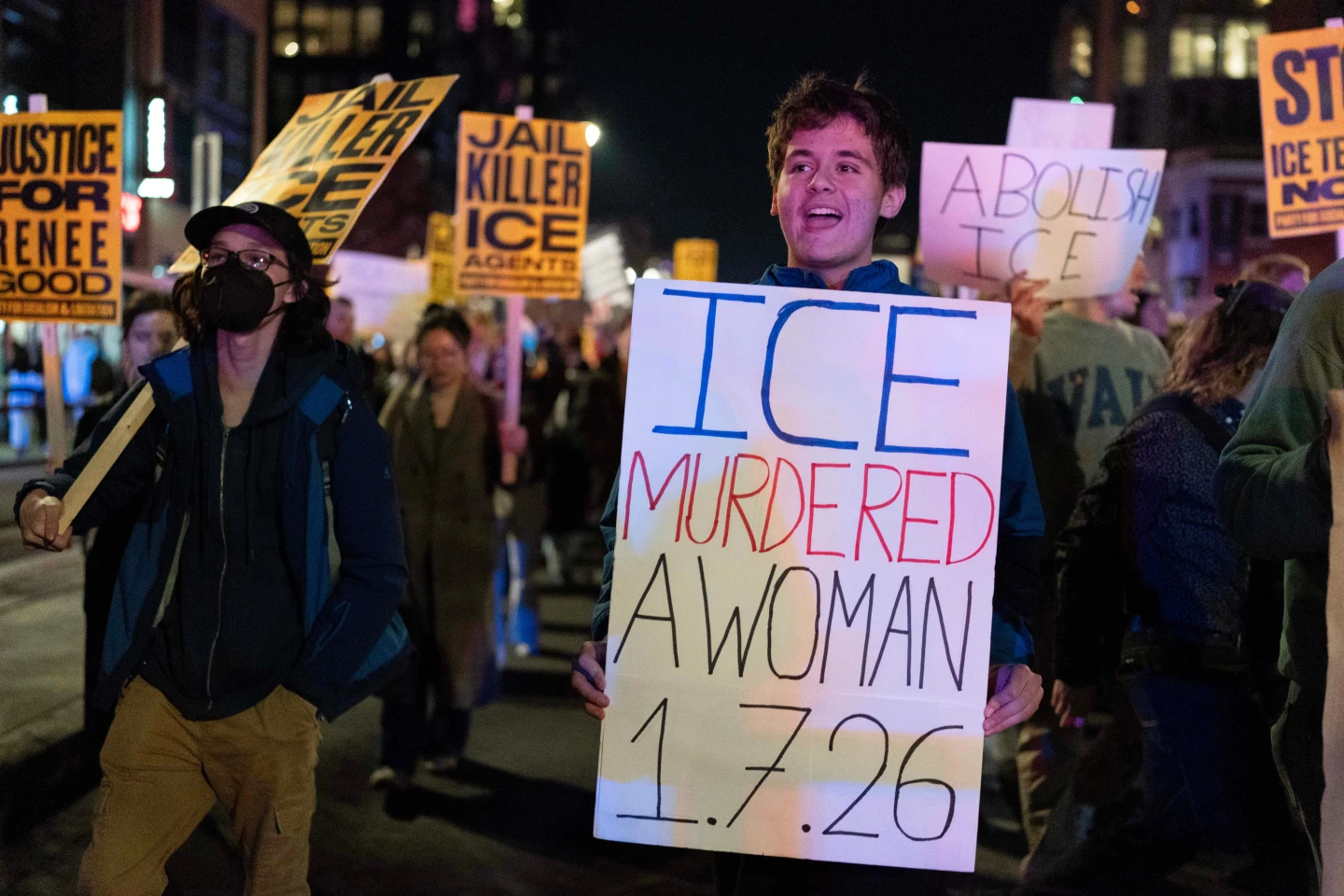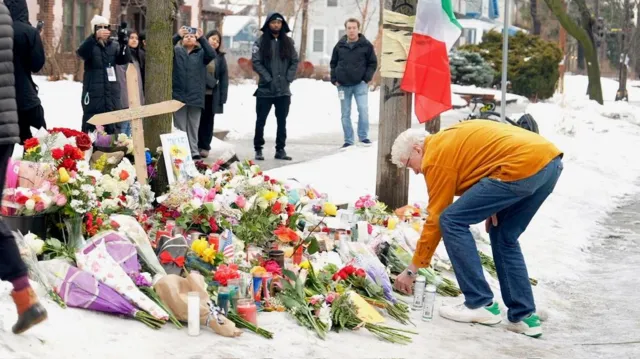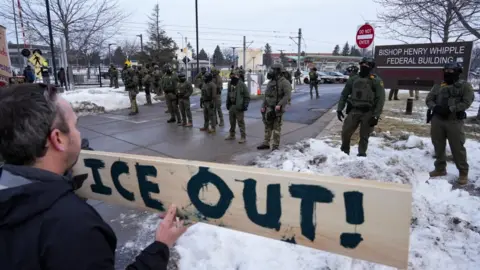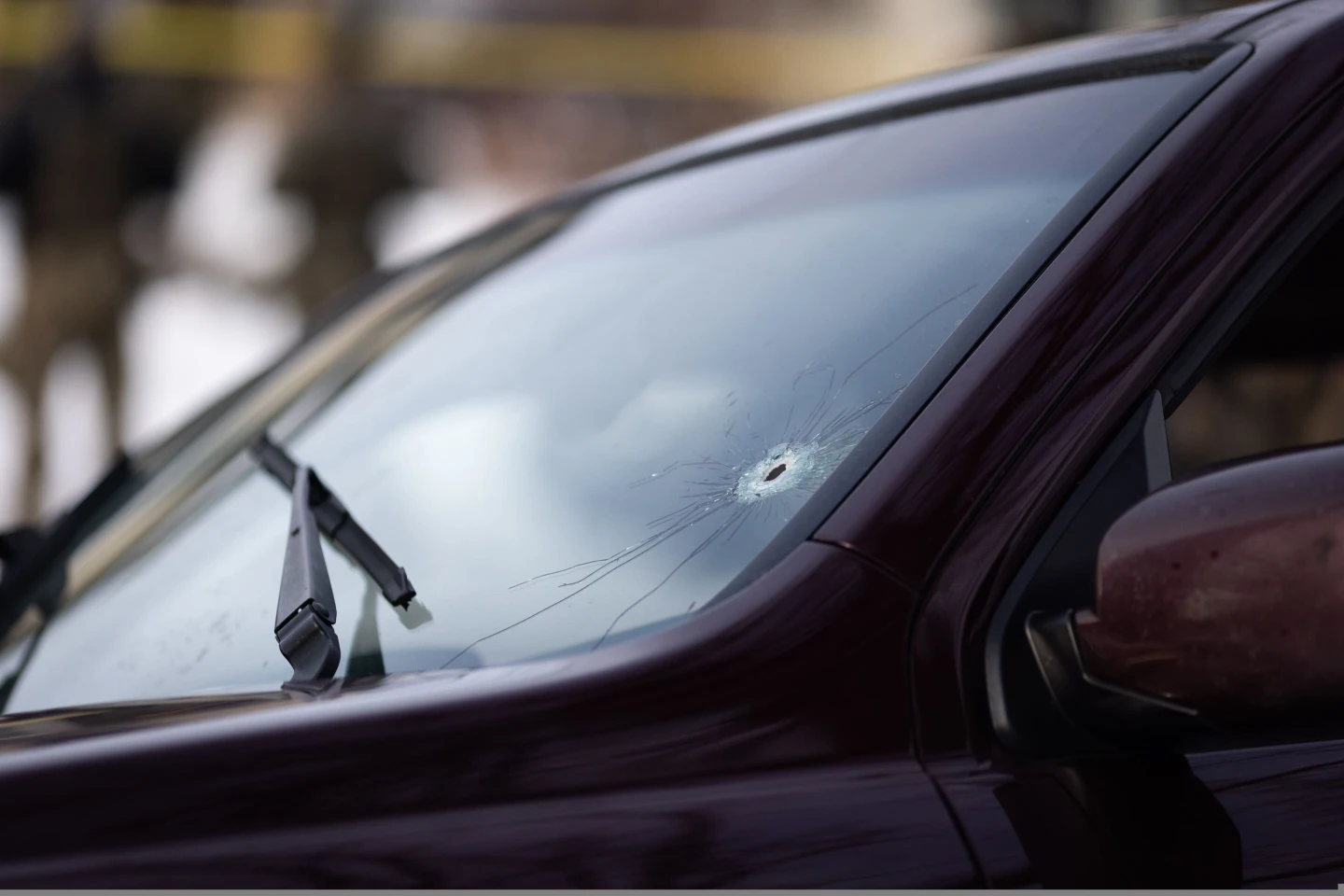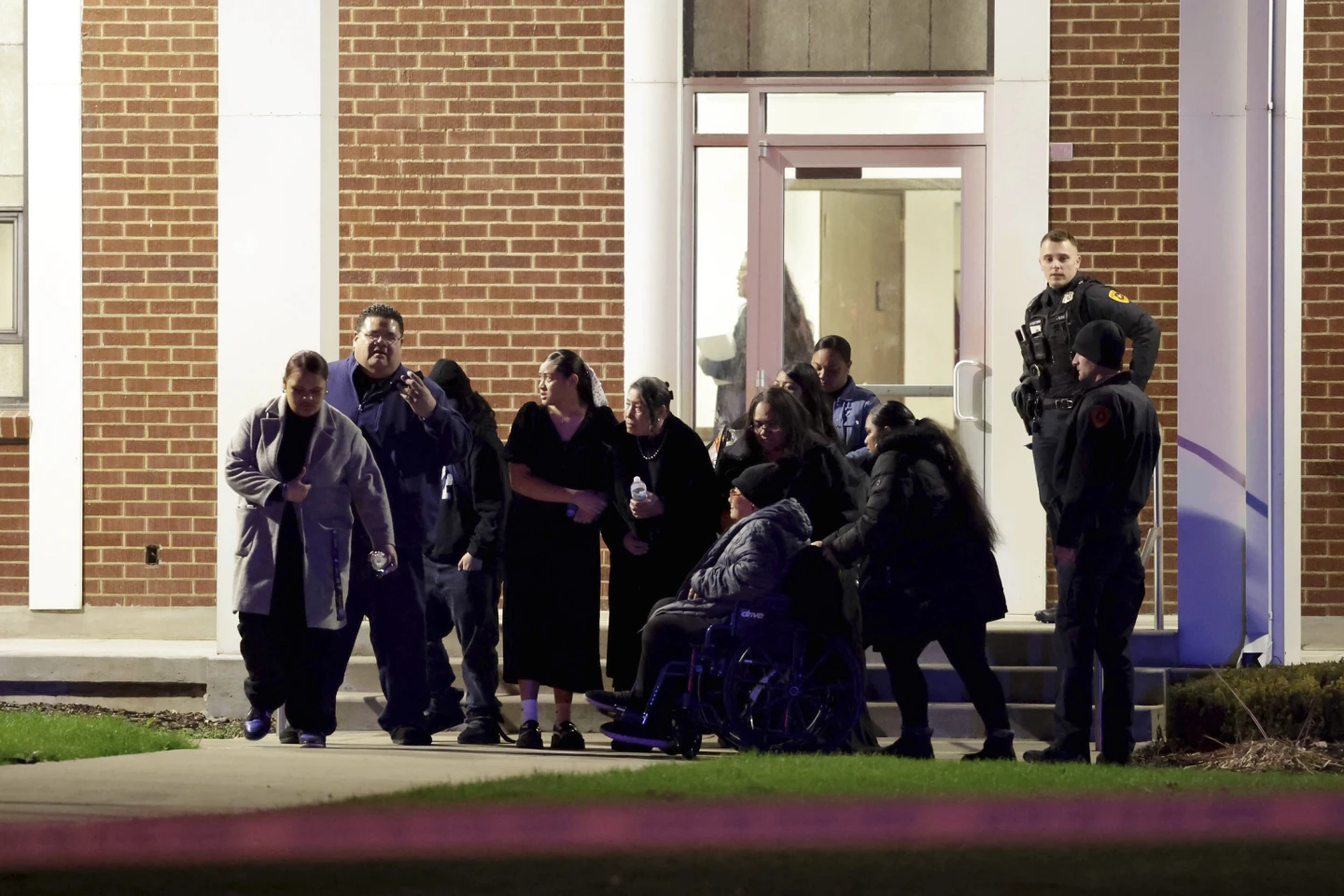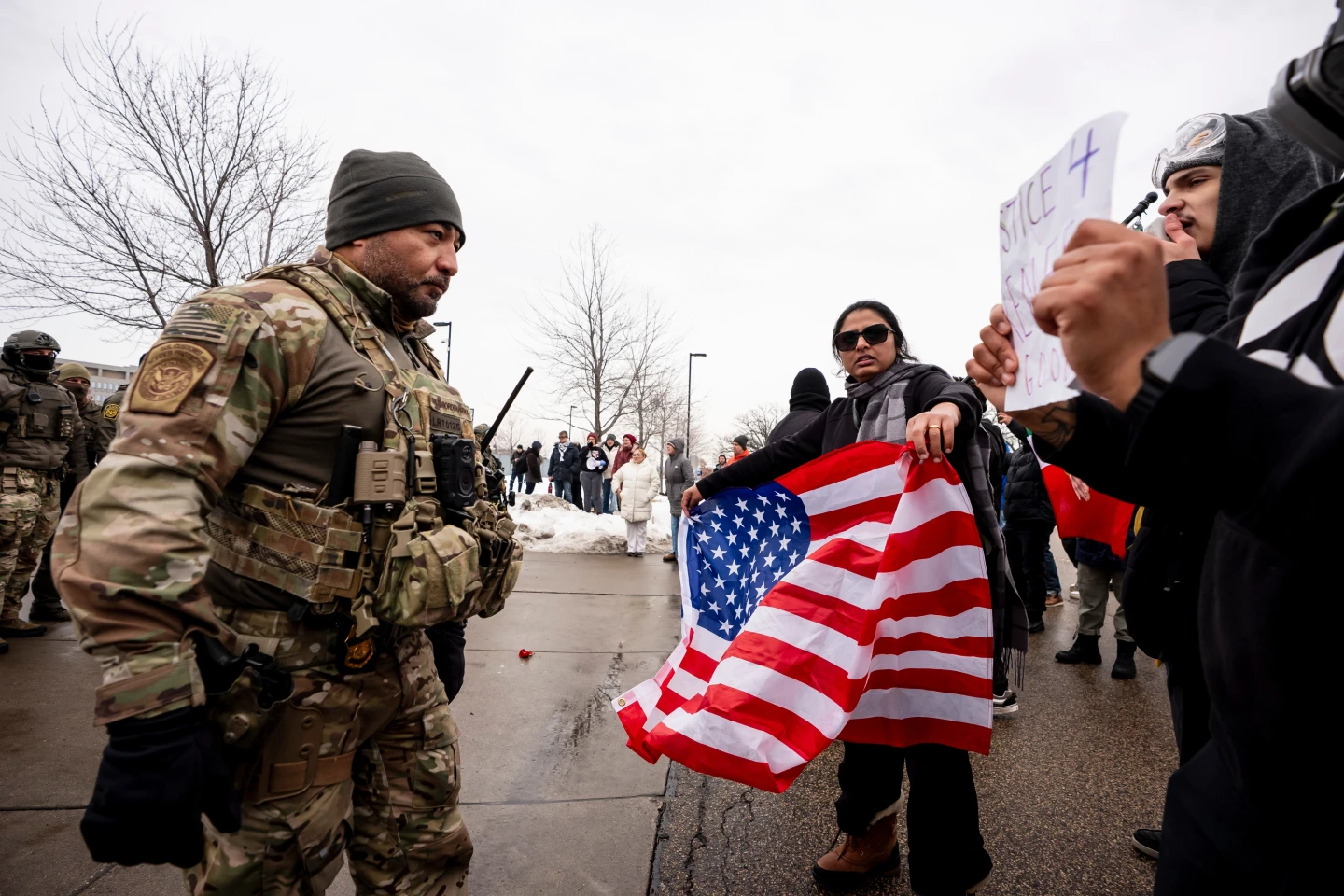
The aftermath of the federal immigration officer's shooting of 37-year-old Renee Good in Minneapolis has sparked significant legal and political tensions. Following the incident, federal authorities blocked state investigators from participating in the subsequent investigation, declaring that Minnesota lacked jurisdiction. Legal experts indicate this scenario raises crucial questions about the extent of federal immunity when federal agents conduct operations.
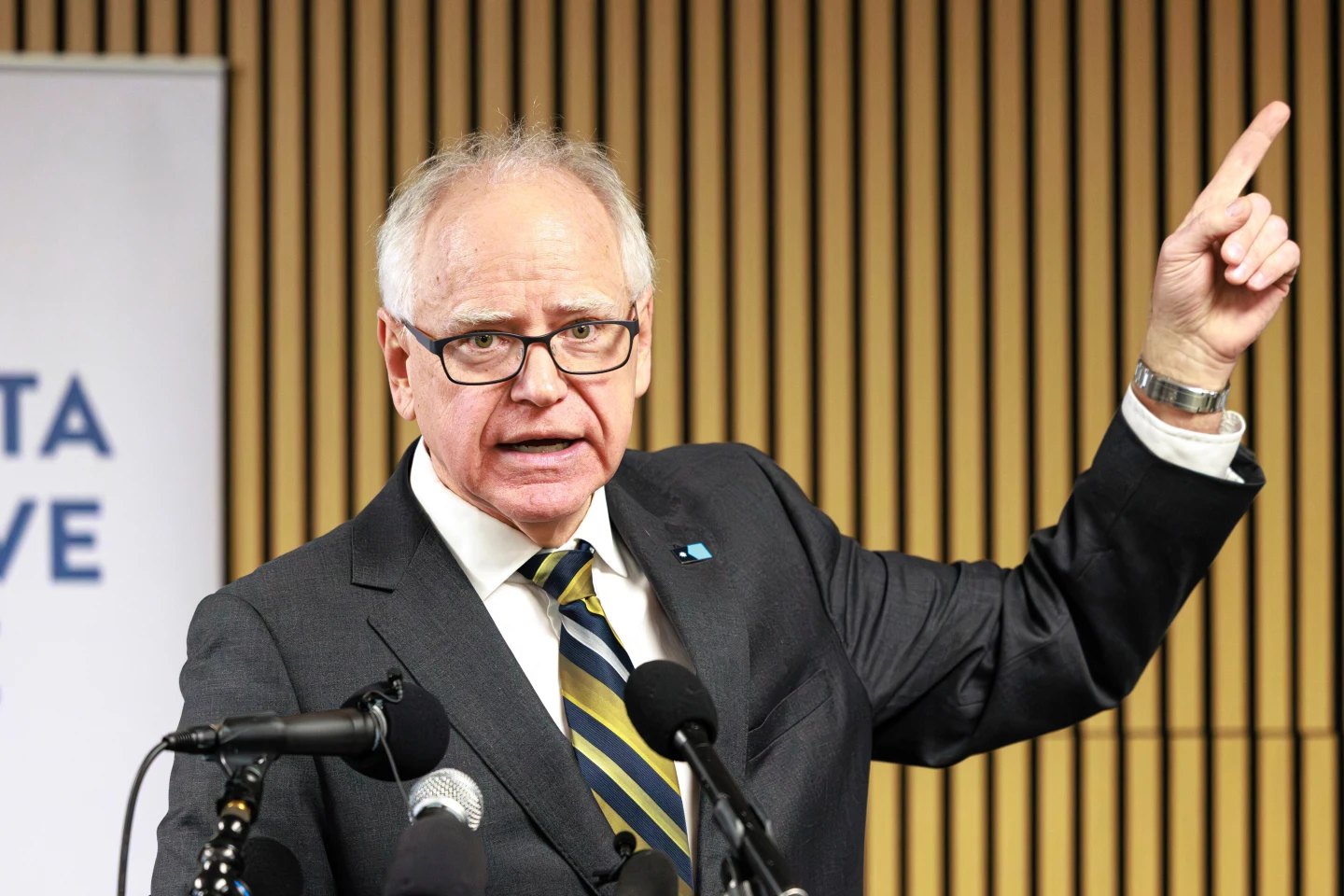
The FBI has informed state law enforcement that they will not have access to key evidence related to the case. Governor Tim Walz has called this federal assertion alarming, urging officials to reverse their stance to maintain public confidence in the investigation's fairness.
Experts suggest that there is little precedent for state-level charges against federal officers, especially when such actions could invoke claims under the Supremacy Clause of the Constitution, which protects federal operatives acting within the scope of their duties. Nevertheless, local authorities, including the Minnesota Attorney General, are exploring avenues to maintain state involvement in the investigation amid concerns about transparency and oversight.
The lack of collaboration between federal and state agencies complicates the path forward for accountability. Local prosecutors stress the importance of investigating not only the use of force but also the failure to provide adequate medical aid immediately following the shooting.
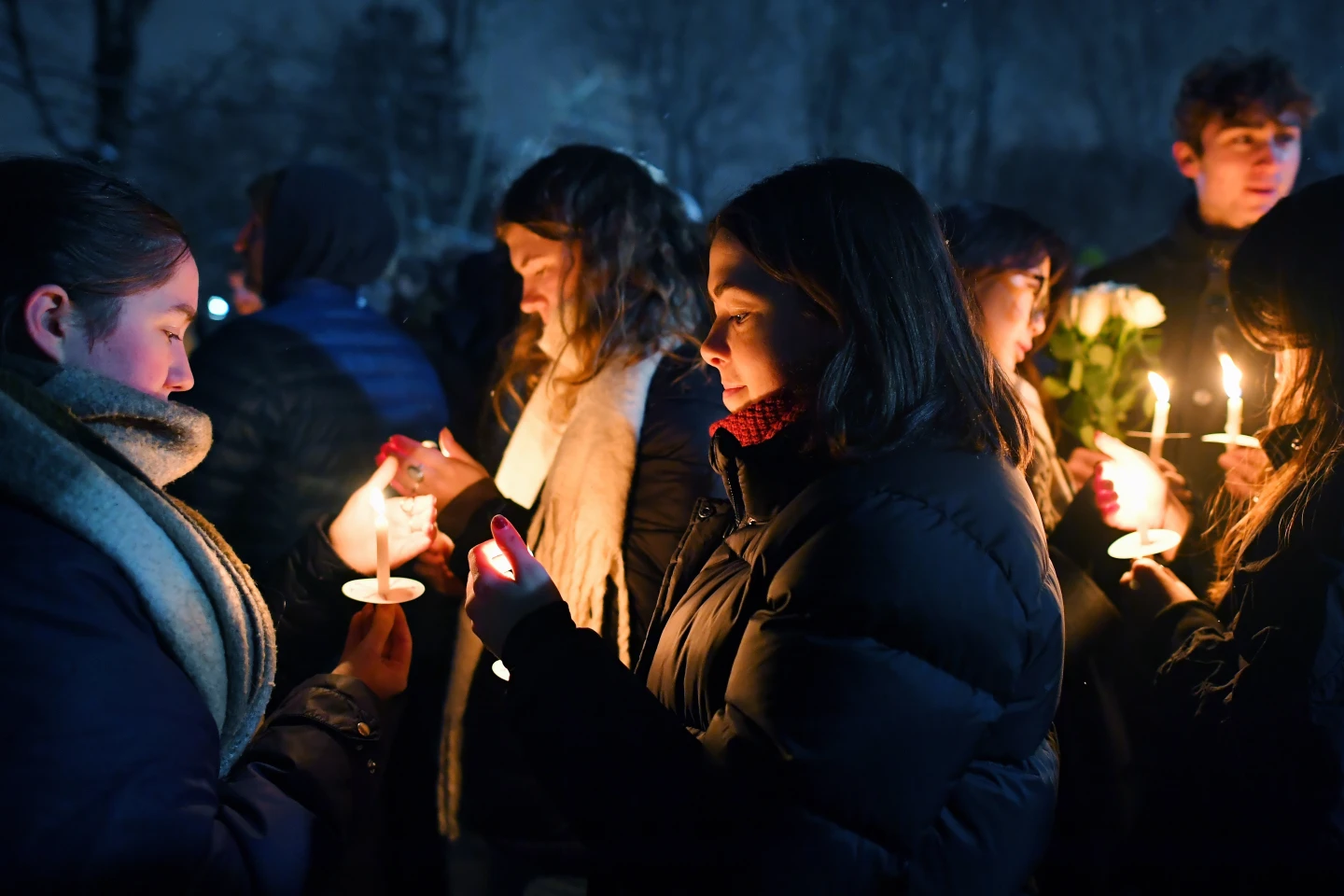
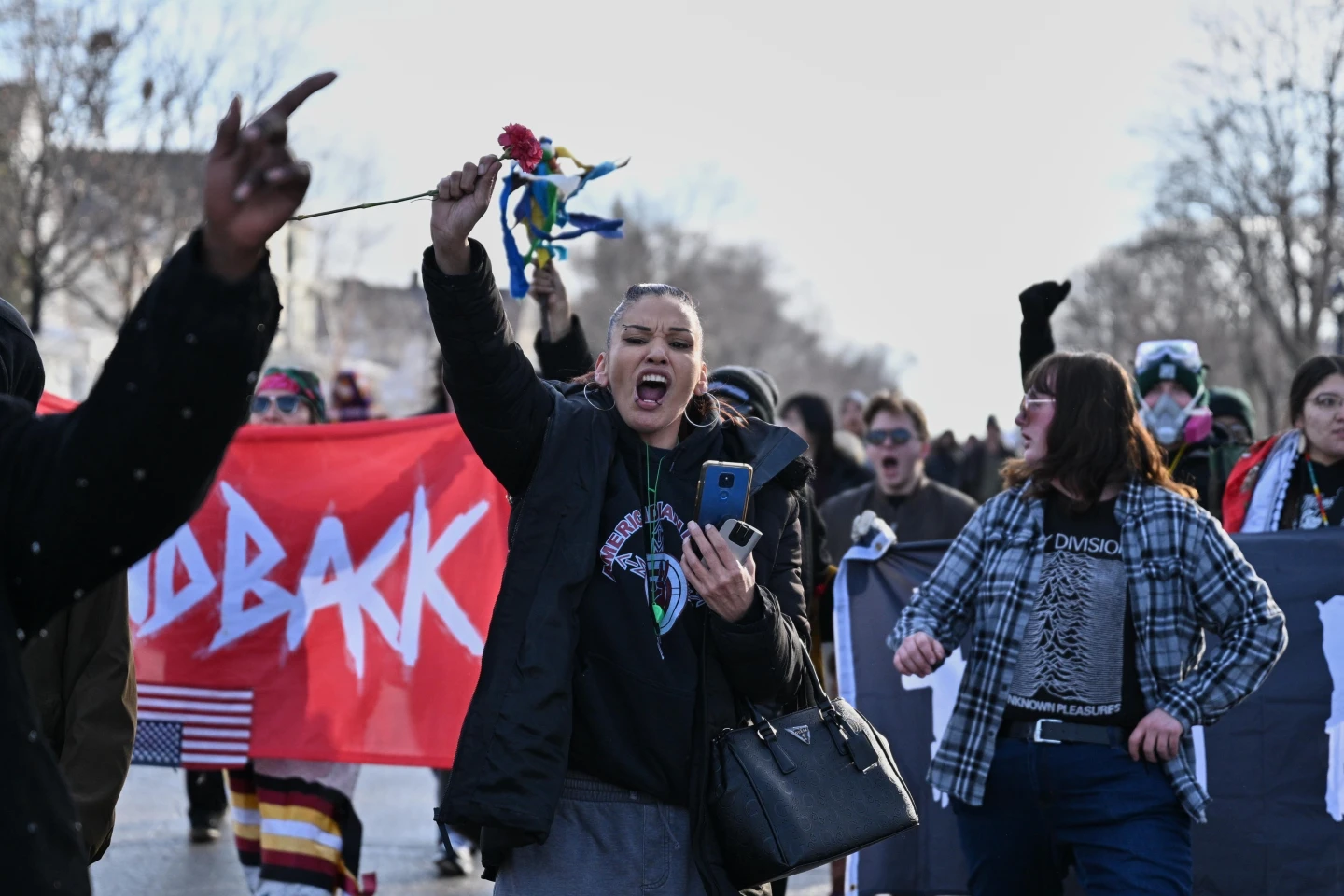
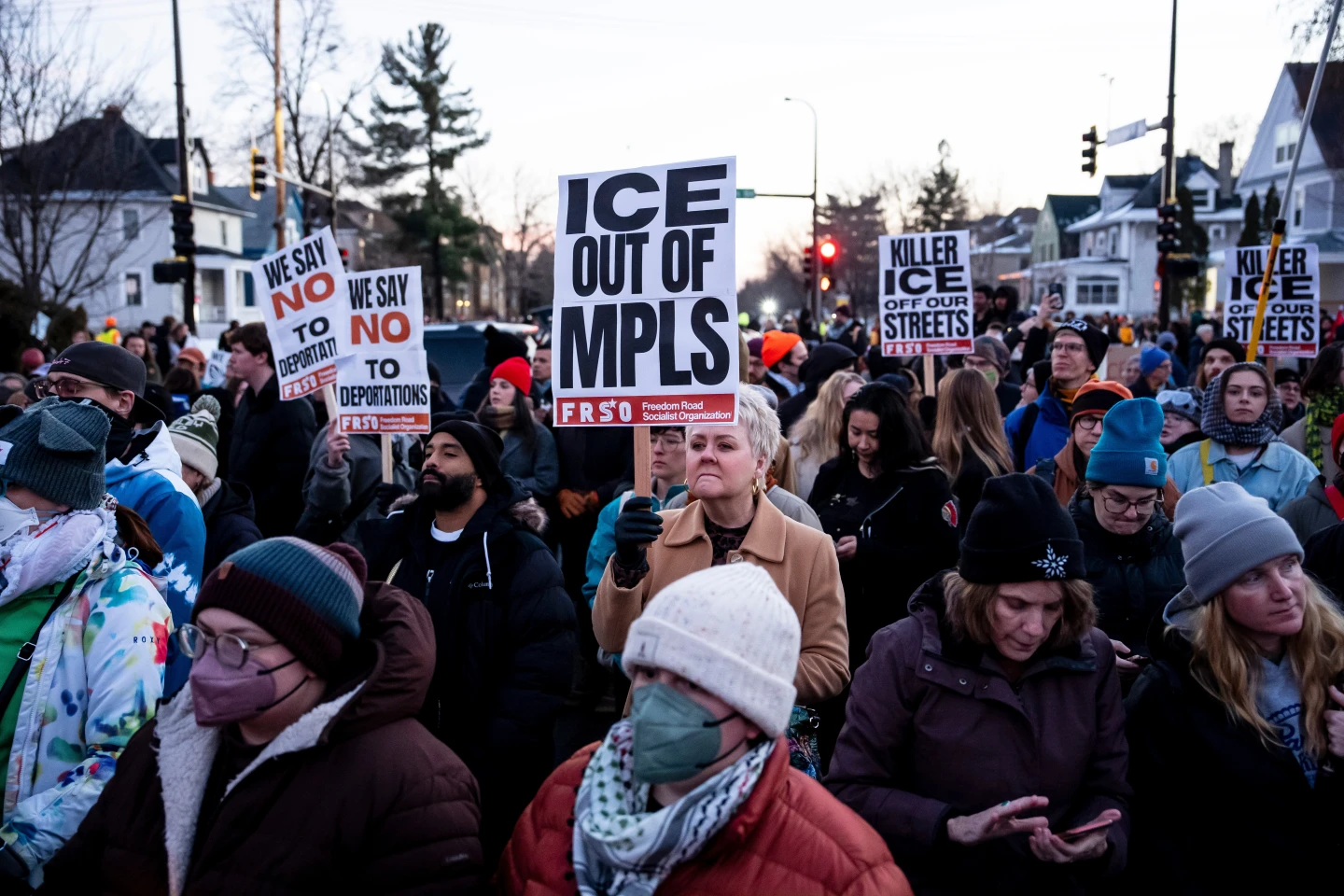
As the situation evolves, public outcry for clarity and justice in the handling of the case is growing, signaling a potentially broader debate regarding the conduct of federal agents in state matters and immigration enforcement practices.