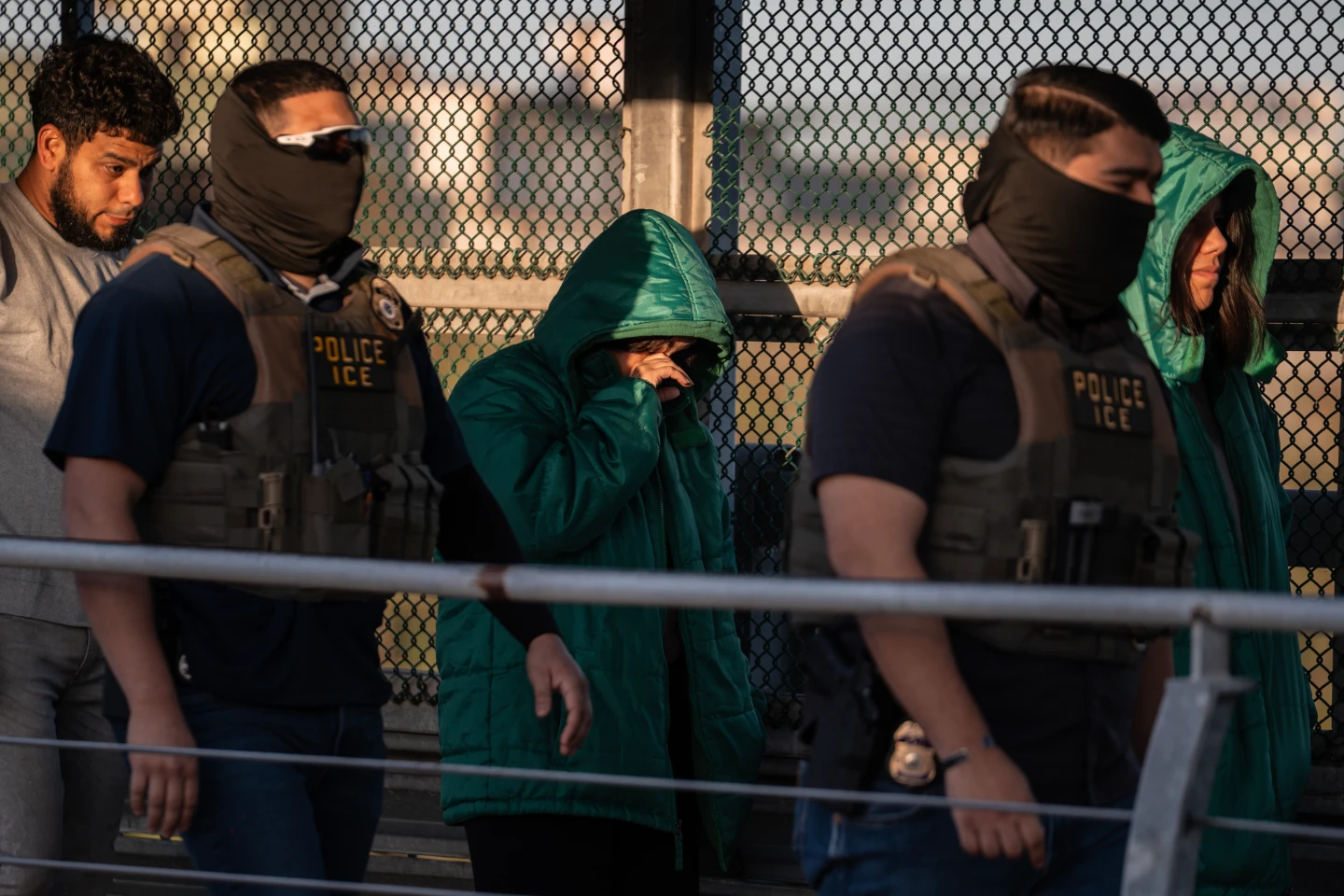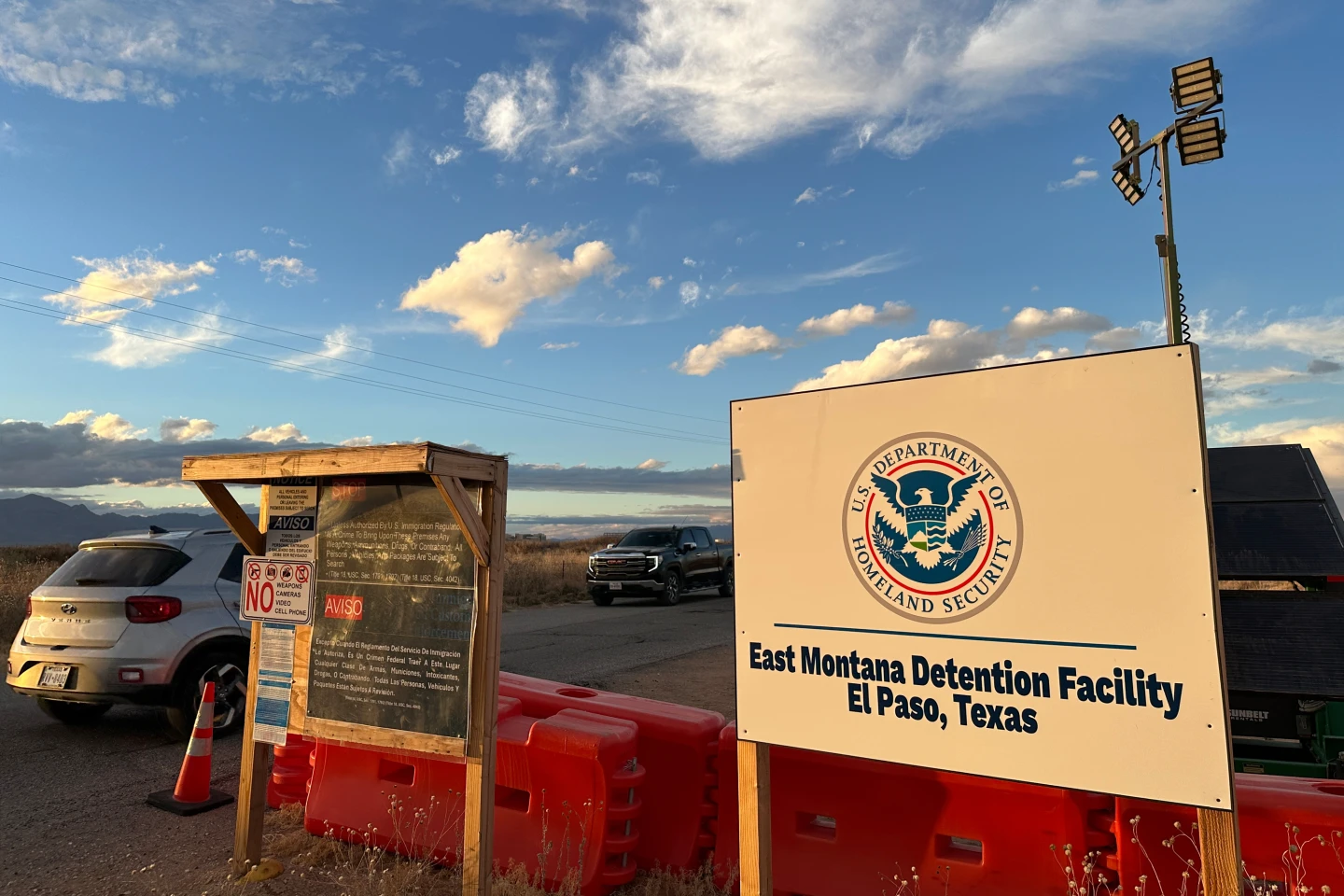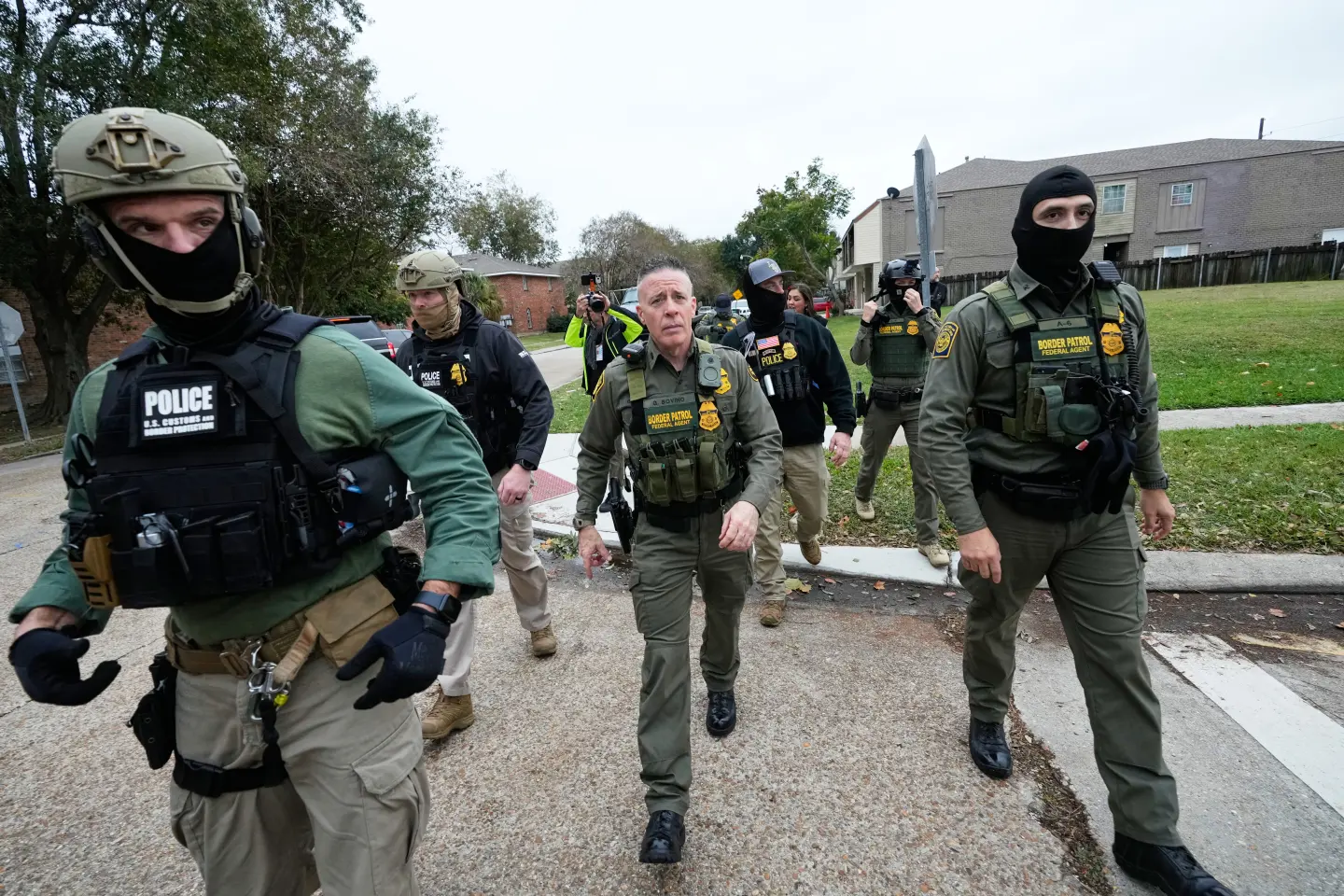
NEW ORLEANS — Federal immigration officers are abruptly shifting their operations, withdrawing from a crackdown in Louisiana and redirecting their efforts to Minneapolis. This decision marks a significant pivot in the enforcement strategy known as 'Catahoula Crunch,' which had intensified fears in immigrant communities since its inception in December.
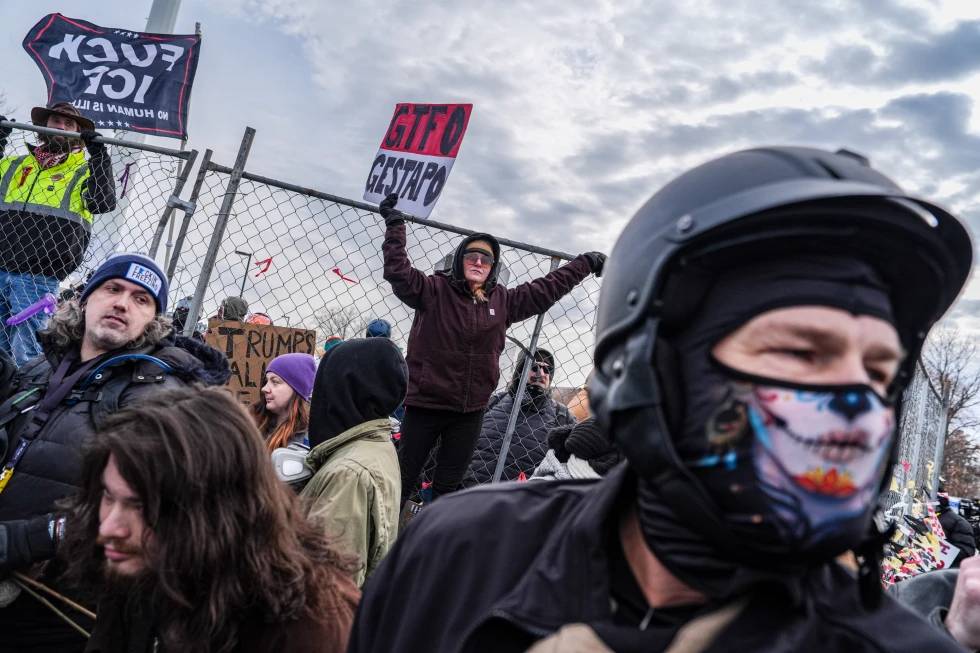
The move, documented by internal DHS communications, suggests a winding down of the Louisiana deployment that was launched with over 200 officers. Initially projected to last until February, the operation faced extensive protests and backlash from local populations concerned about targeted immigration arrests.
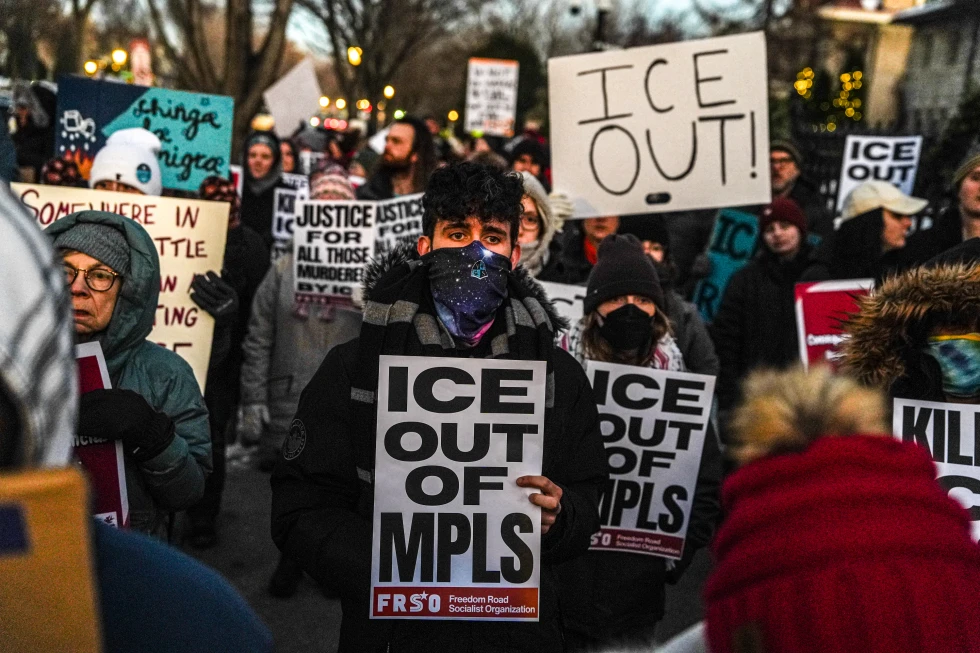
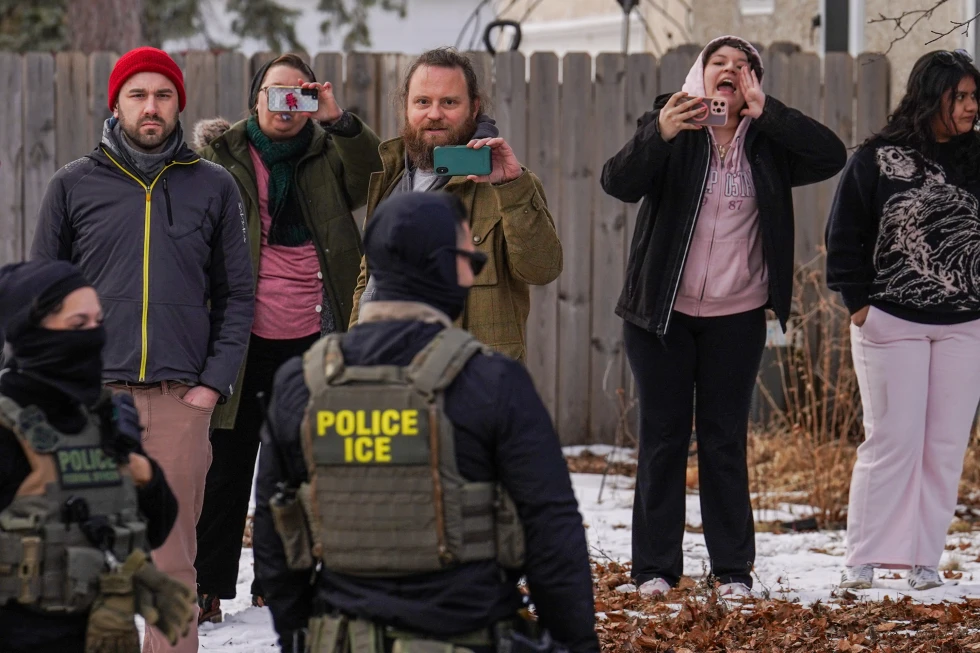
This pivot is part of a broader enforcement initiative under the Trump administration, aimed at addressing allegations of immigration fraud involving Somali residents in Minnesota. The immigration enforcement operation, described as the largest of its kind, involves more than 2,000 federal officials and has been met with strong opposition from community activists.
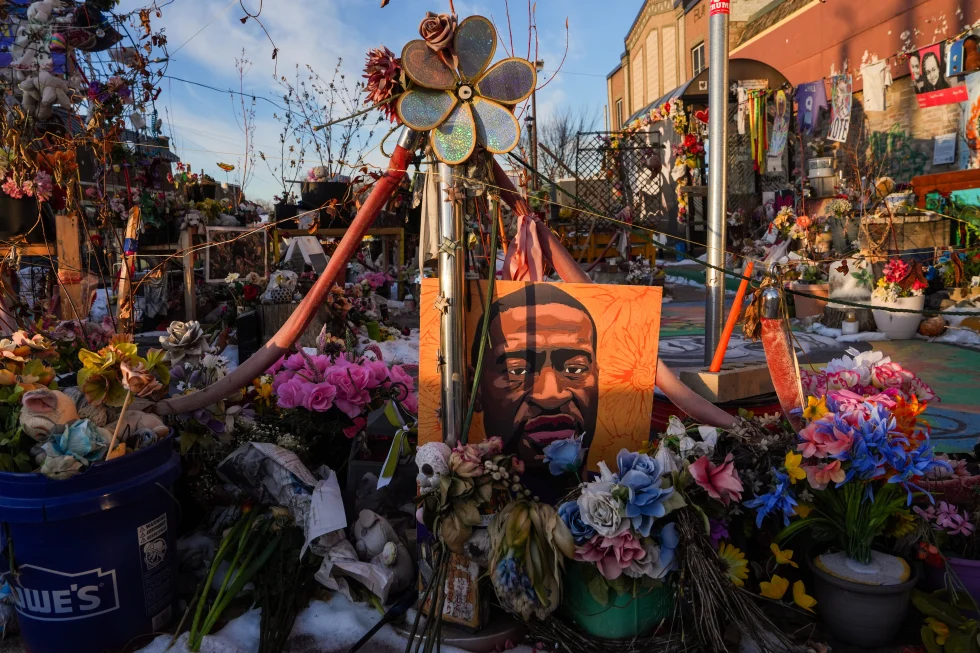
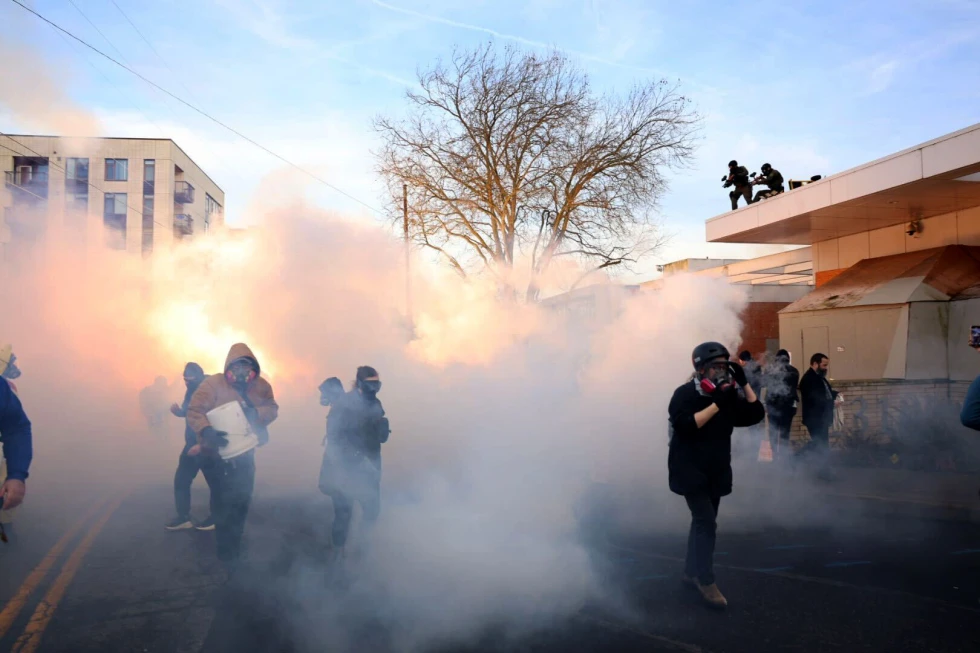
The change followed a tragic incident earlier this week where an ICE officer fatally shot a woman in Minneapolis, amplifying public outcry and demonstrations against federal immigration actions. Critics of the enforcement strategies argue that these operations disproportionately impact innocent individuals and deepen community divides.
In December, DHS had set a target of 5,000 arrests as part of the 'Catahoula Crunch' campaign, but reports indicated that only 370 arrests had been made by mid-December. Many of those apprehended were found to have no criminal backgrounds, raising further concerns about the enforcement tactics being used.
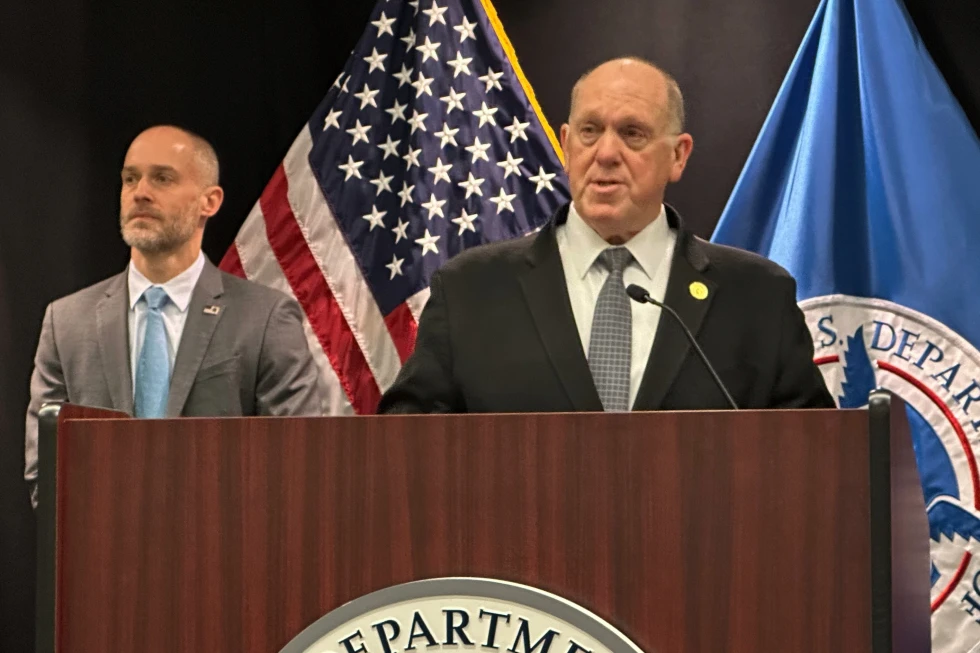
As the deployment unfolds in Minneapolis, officials remain vague regarding operational specifics, emphasizing safety and security for law enforcement. Reaction from local leadership varies widely, with support expressed by some Republican figures and criticism from Democratic representatives in New Orleans.
Community leaders and residents continue to monitor DHS actions closely, advocating for a more humane approach to immigration enforcement that fosters safety without compromising civil rights.