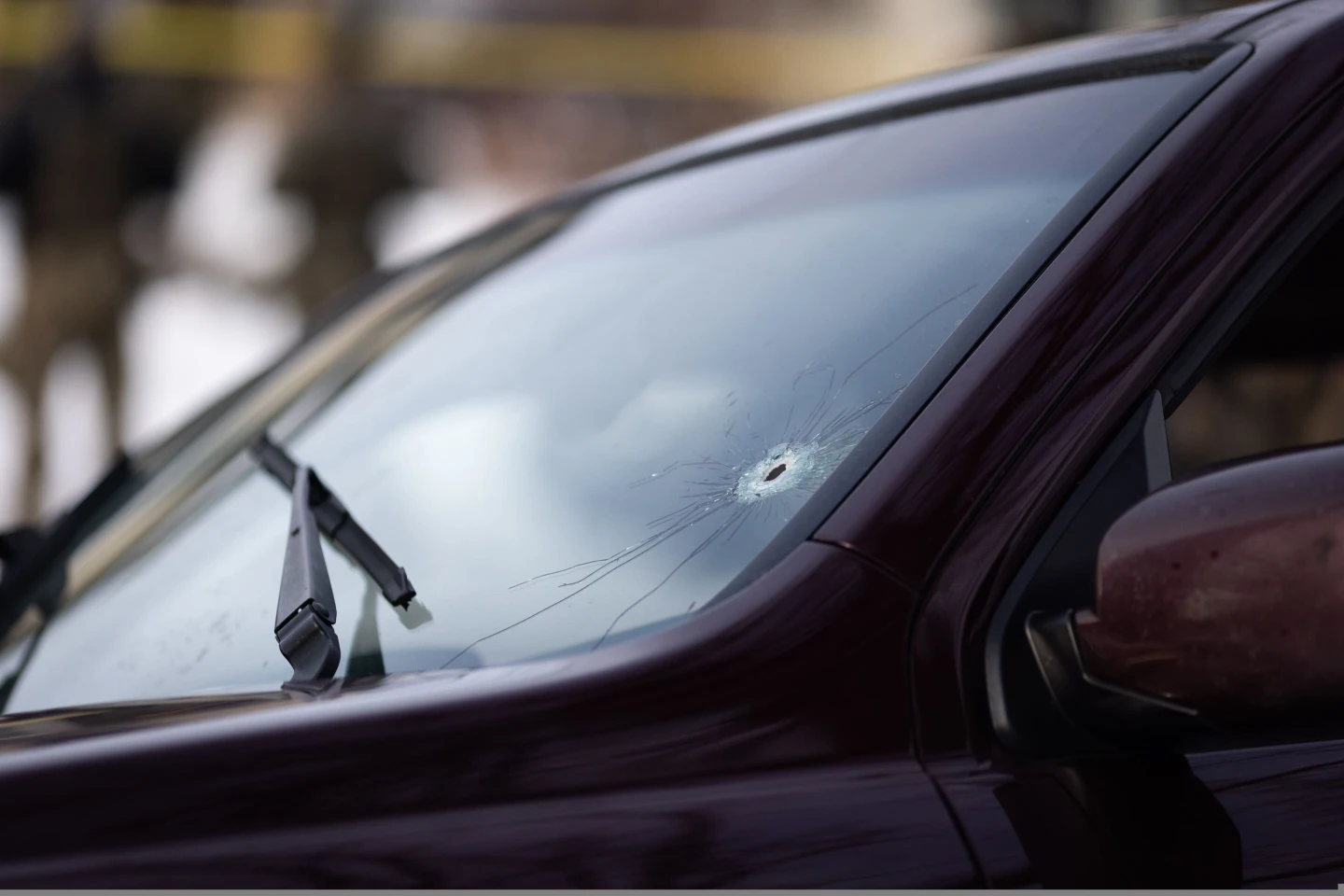
MINNEAPOLIS (AP) — A recent federal immigration operation in Minneapolis resulted in a tragic shooting, where a U.S. Immigration and Customs Enforcement officer fatally shot 37-year-old Renee Nicole Good during a confrontation involving her vehicle.
Video recordings captured the violent episode, with federal authorities claiming the officer's actions were in self-defense. However, the mayor of Minneapolis criticized the use of lethal force as 'reckless' and unnecessary. The footage shows an ICE officer approaching Good’s SUV as it began to move forward, prompting another officer to fire at close range as he jumped out of harm’s way.
This incident has intensified discussion about existing regulations on the use of deadly force by law enforcement, particularly in instances involving moving vehicles.
When Can Officers Fire at a Moving Vehicle?
There are no universal standards across law enforcement agencies regarding this issue. However, guidance typically discourages shooting at moving vehicles unless a credible threat exists beyond the vehicle itself.
Why Are Shootings at Vehicles Restricted?
Experts note that shooting at moving cars is among the riskiest forms of lethal force, raising the likelihood of stray bullets or loss of vehicle control, which endangers bystanders.
Are Officers Expected to Move Out of the Way?
Yes, according to Justice Department policy, officers may only use deadly force when no reasonable alternative exists, which includes stepping out of the vehicle’s path.
Can Officers Use Deadly Force Just to Stop or Arrest Someone?
No, generally, officers may not employ deadly force simply to make an arrest or disable a fleeing vehicle if the suspect does not present an immediate threat.
Do Federal Immigration Agents Follow Different Rules?
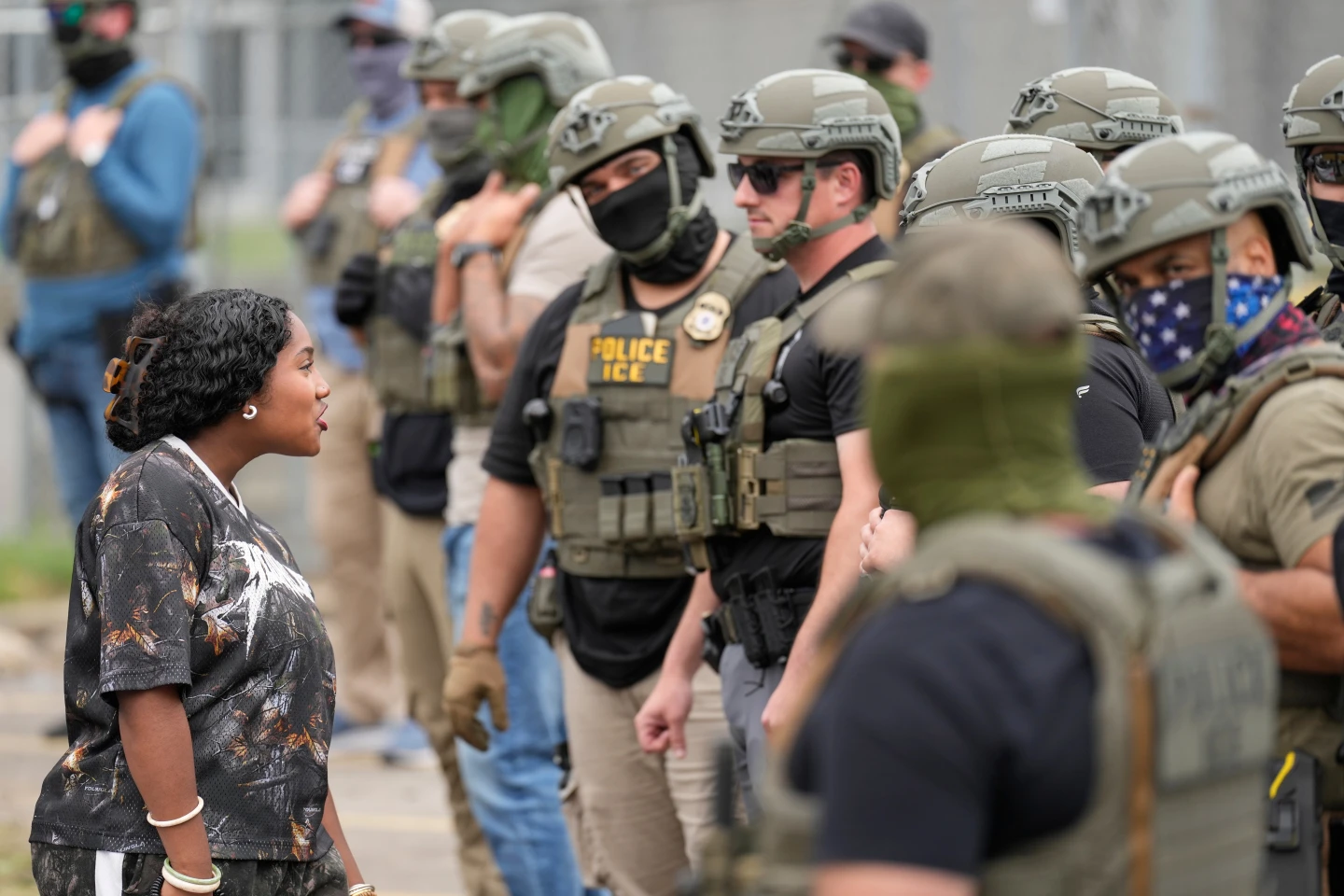
Not fundamentally. ICE and other federal agents are subject to guidance similar to Justice Department policies regarding the limitations on gunfire directed at vehicles, though federal agents benefit from additional protections while executing their duties.
What is ICE’s Policy?
The Department of Homeland Security dictates that deadly force by ICE agents is permitted only when there is a reasonable belief that an individual poses an imminent threat of serious injury or death.
Who Investigates These Shootings?
The investigations into such incidents are typically led by federal agencies, with state and local authorities potentially conducting criminal inquiries as well. Federal agents may not be shielded from prosecution should they exceed their legal authority; in this case, the FBI will take charge of the investigation surrounding the Minneapolis shooting.