
In brief
Renee Nicole Good, a 37-year-old mother and accomplished poet, was shot by an Immigration and Customs Enforcement (ICE) agent in Minneapolis. Good's actions as a legal observer during an ICE operation led to her controversial label of a 'domestic terrorist' by officials, while her family and supporters rally for justice. Her tragic death has ignited protests across the country demanding accountability and raises serious questions about the nature of policing in America.
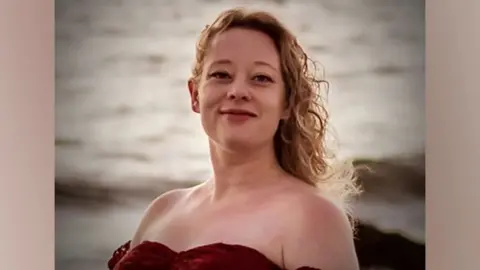
The woman shot dead by a federal immigration agent in Minneapolis has been identified as Renee Nicole Good, a 37-year-old mother of three who had just moved to the city. Good was celebrated as a prize-winning poet and a hobby guitarist, and according to Minnesota Senator Tina Smith, she was a US citizen.
Good's involvement as a legal observer at an Immigration and Customs Enforcement (ICE) operation changed her life dramatically. Despite city leaders affirming her role, she was labeled a 'domestic terrorist' by the Trump administration, inciting nationwide protests that called for 'Justice for Renee'.
Her mother, Donna Ganger, told the Minnesota Star Tribune that her daughter was likely terrified during the confrontation with the officers that resulted in her death, emphasizing that she was "one of the kindest people I've ever known." Fundraisers for Good's family quickly exceeded expectations, raising over $370,000 within hours, as her community mourned the loss.
Having just relocated from Colorado Springs, Good was described by her father as experiencing both joys and struggles in life. A talented writer, she studied creative writing at Old Dominion University, winning accolades for her poetry. Friends and family remember her as compassionate and loving, traits she showcased through her children and creativity.
However, circumstances surrounding her death raised challenging discussions. ICE officials claimed that Good attempted to obstruct their work, describing her actions as 'domestic terrorism'. This sparked a debate on the intersection of lawful observation versus perceived obstruction, as city leaders called the shooting reckless and unnecessary, stressing that accountability is needed for the tragic event.
Good's dedication to her children and her pursuit of the arts were her passions, deeply rooted in love and compassion. Her untimely death exemplifies the ongoing tension within policing agencies and raises urgent inquiries regarding systemic practices in America...

