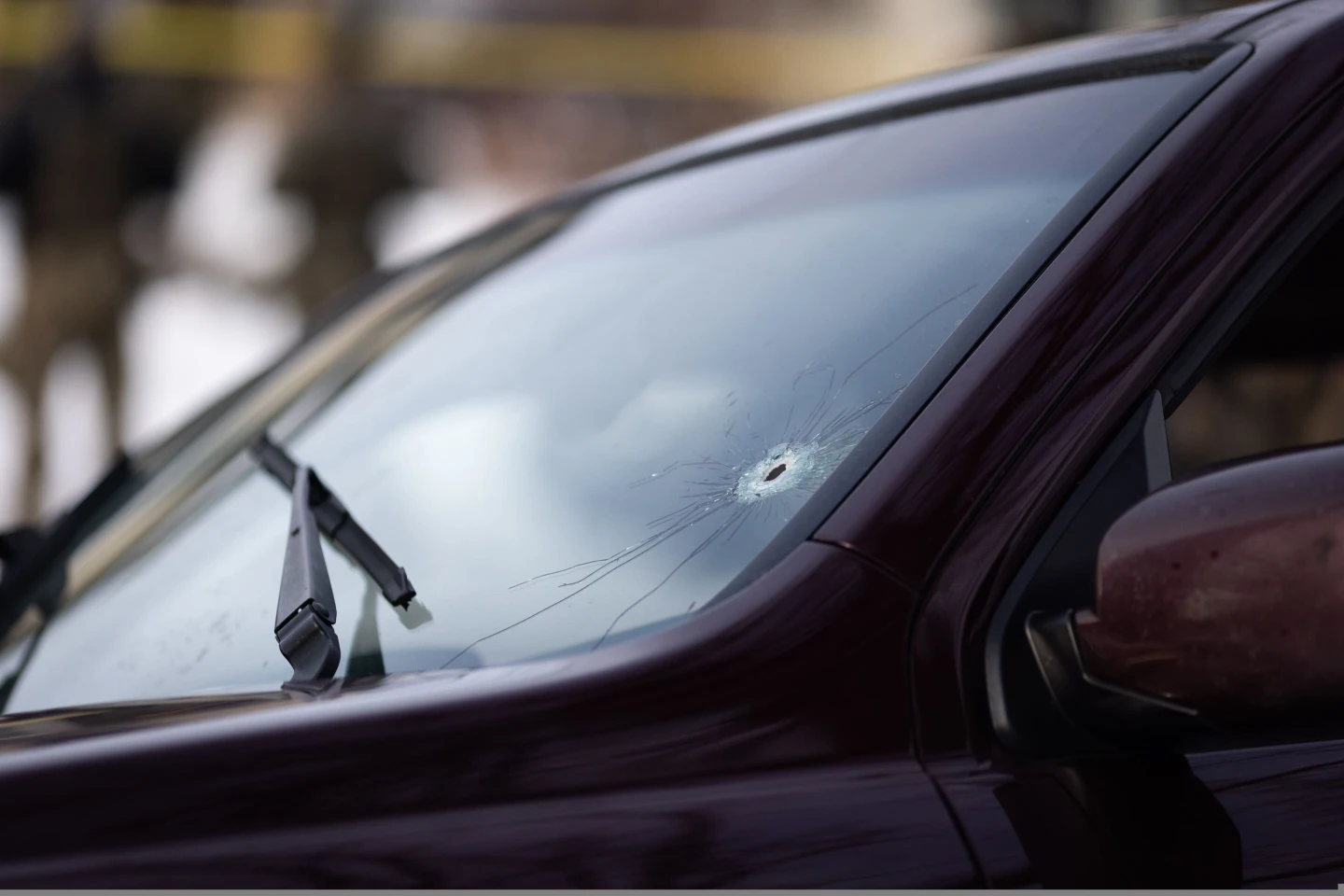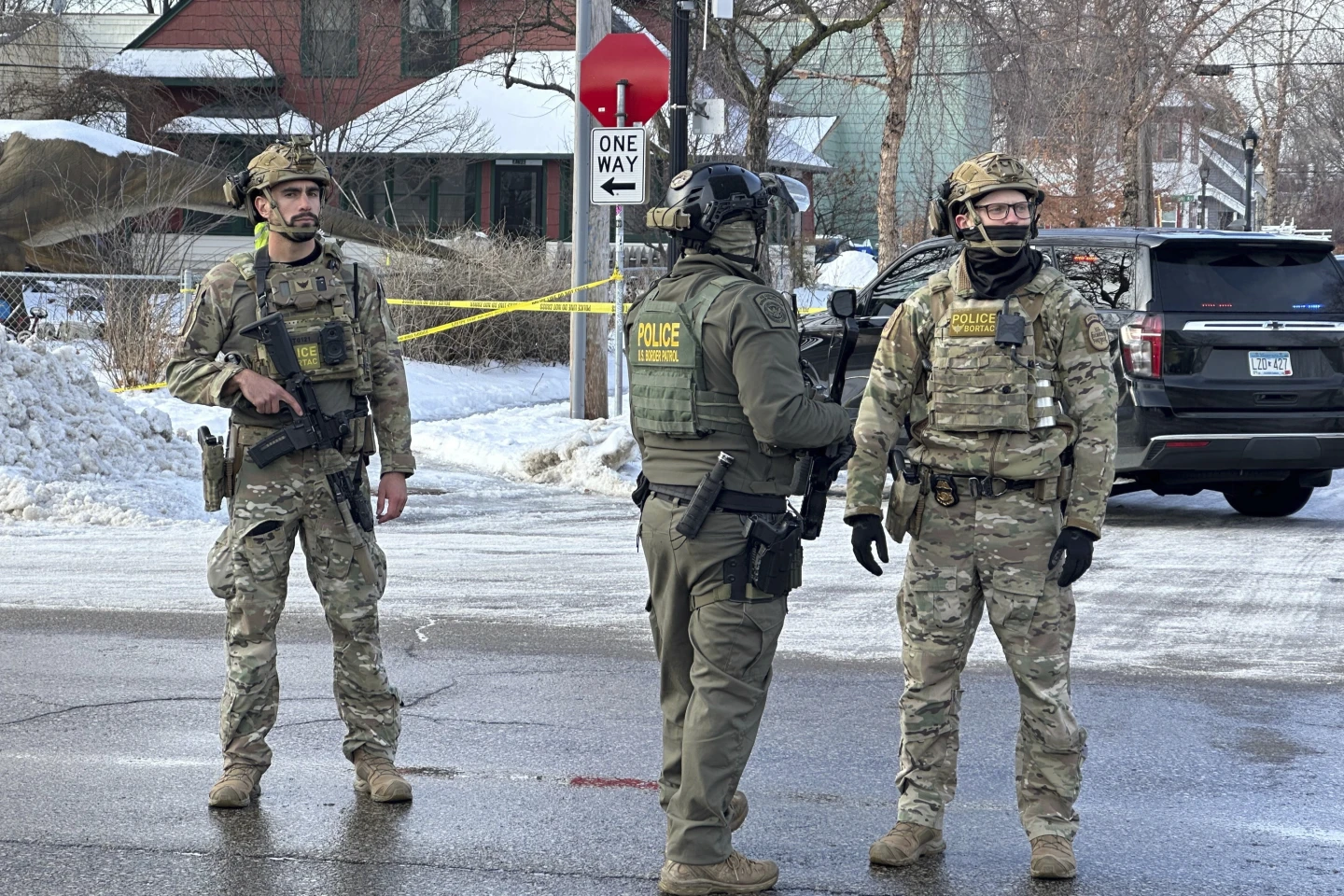
A federal officer stepped in front of a Honda SUV parked on a Minneapolis street, leading to the shooting of the driver, Renee Good, who was a mother of three. Federal officials state that the officer acted in self-defense, claiming that Good's actions qualified as 'domestic terrorism,' despite controversies regarding law enforcement practices.
Experts in policing have voiced that the officer's actions contradict established safety protocols followed by law enforcement agencies. By standing in front of the vehicle, the officer placed himself in an avoidable situation, raising critical concerns about the decision-making process in high-stress situations.
Videos captured the incident, showing the Honda straddling lanes while bystanders urged officers to reveal their identities. As officers attempted to approach the vehicle, conflicting actions presented a worrying scenario. The officer involved had previously faced danger in a comparable incident, complicating the justification for using lethal force.
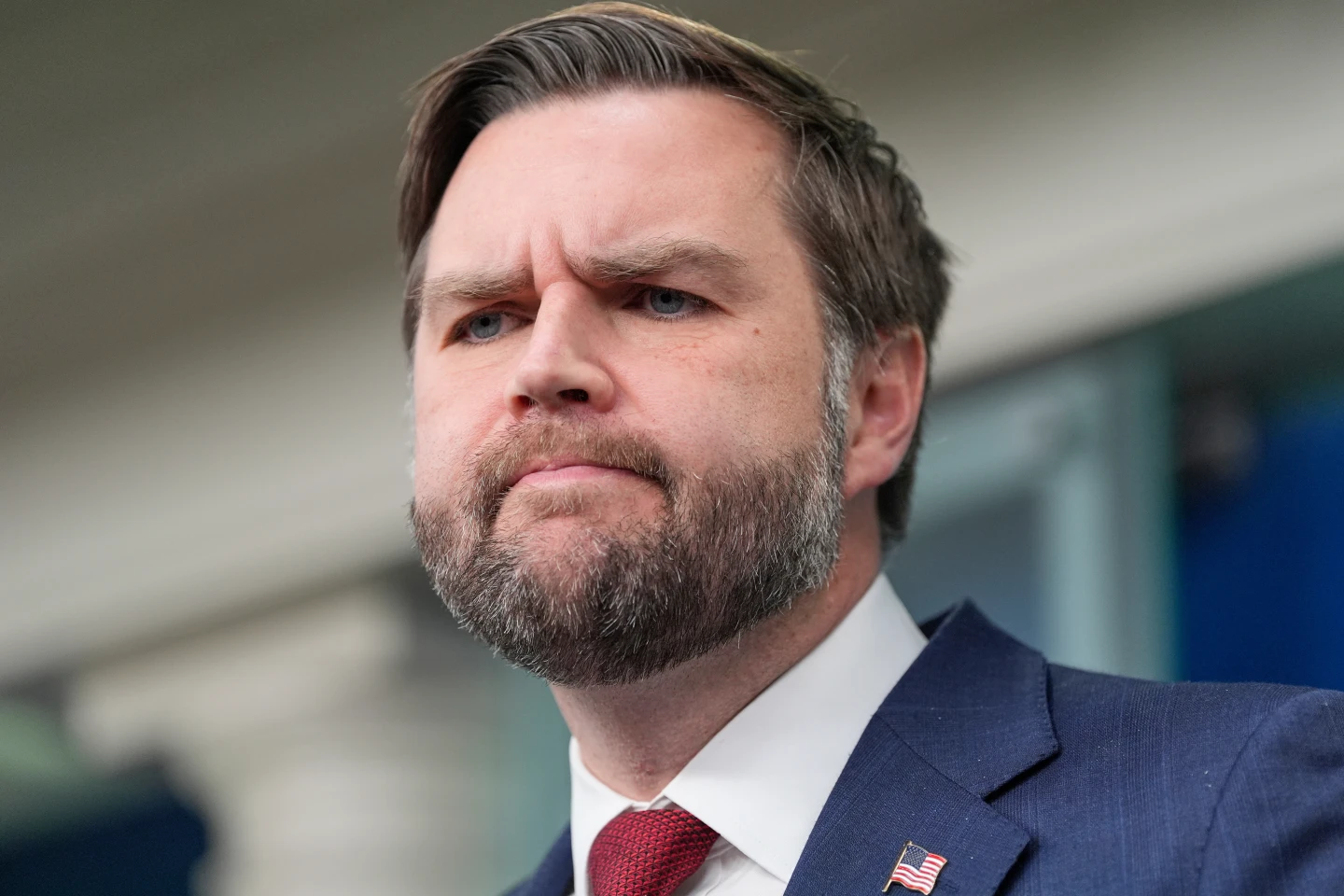
Secretary of Homeland Security Kristi Noem labeled the encounter as ‘domestic terrorism,’ reinforcing the narrative of threat. However, critics question whether the use of lethal force was necessary and whether safer alternatives were available.
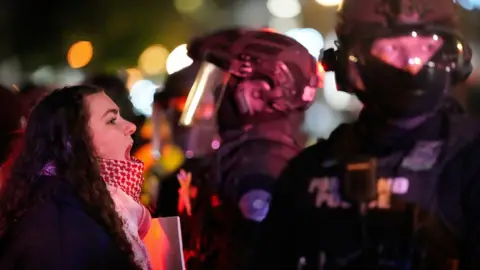
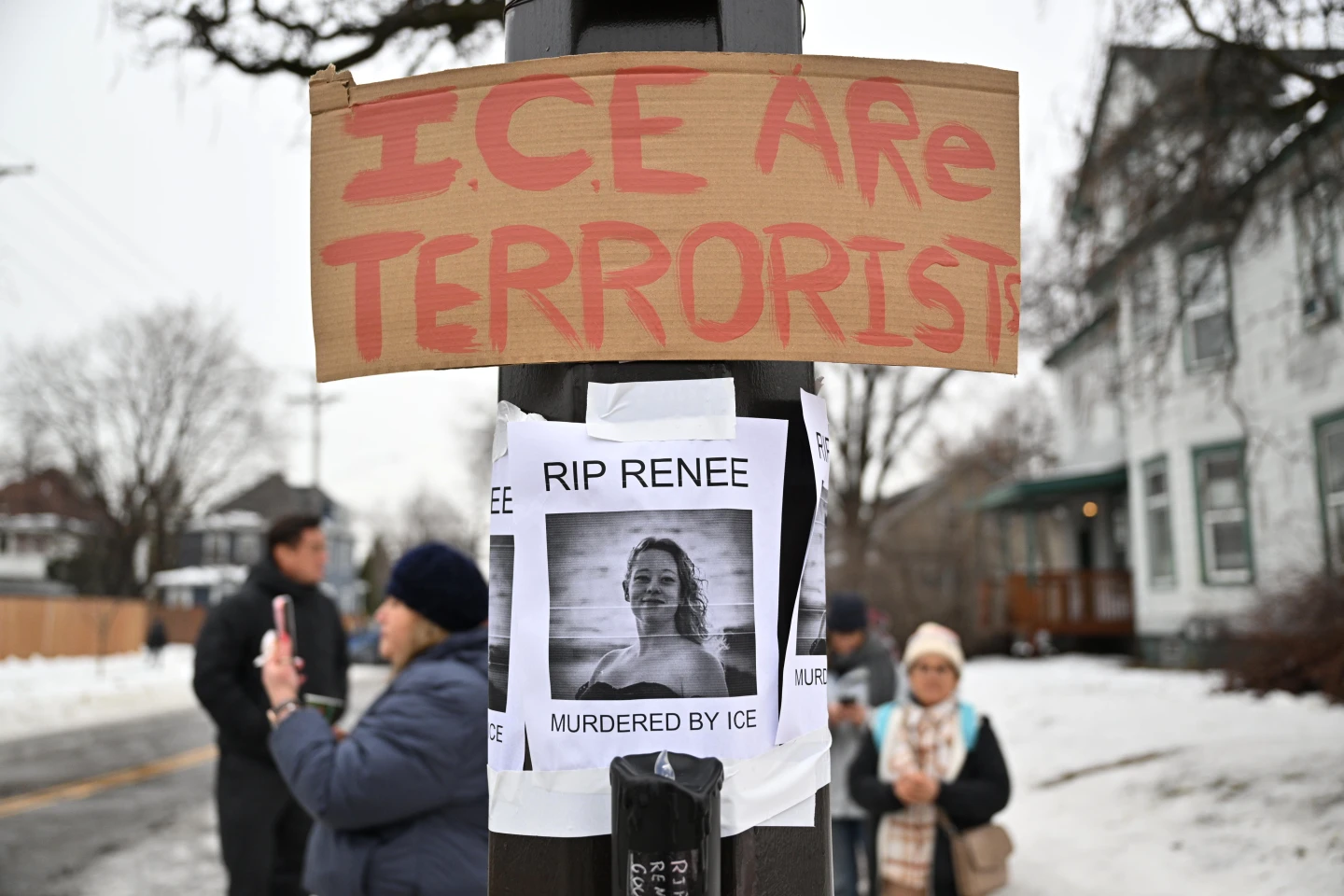
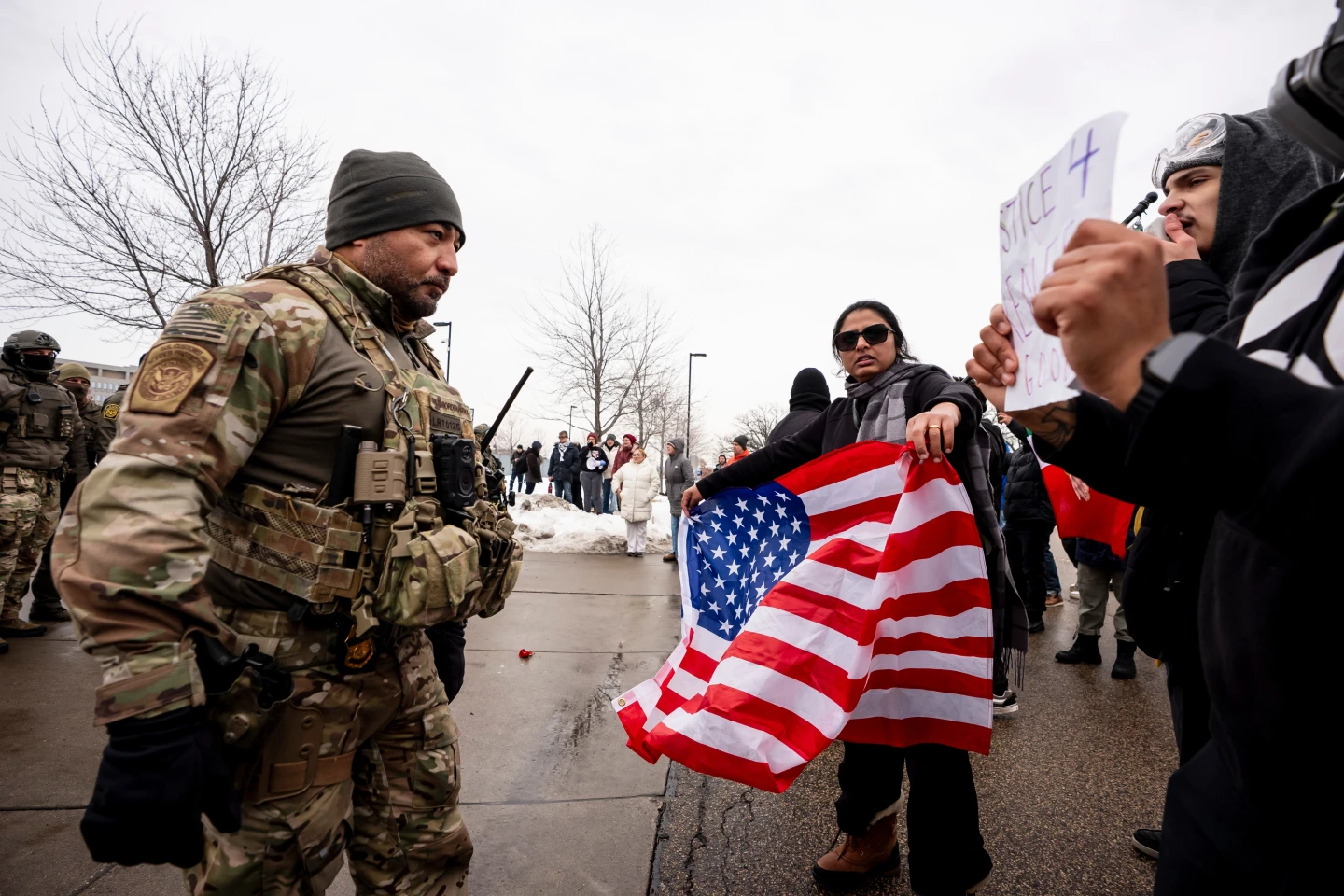
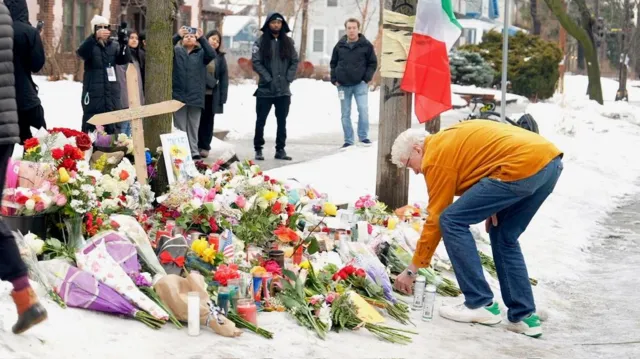
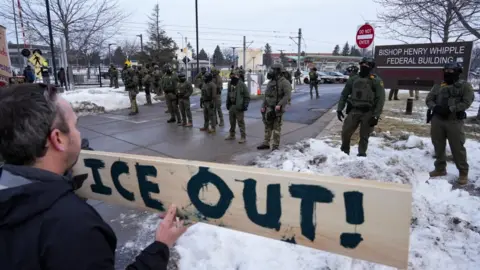
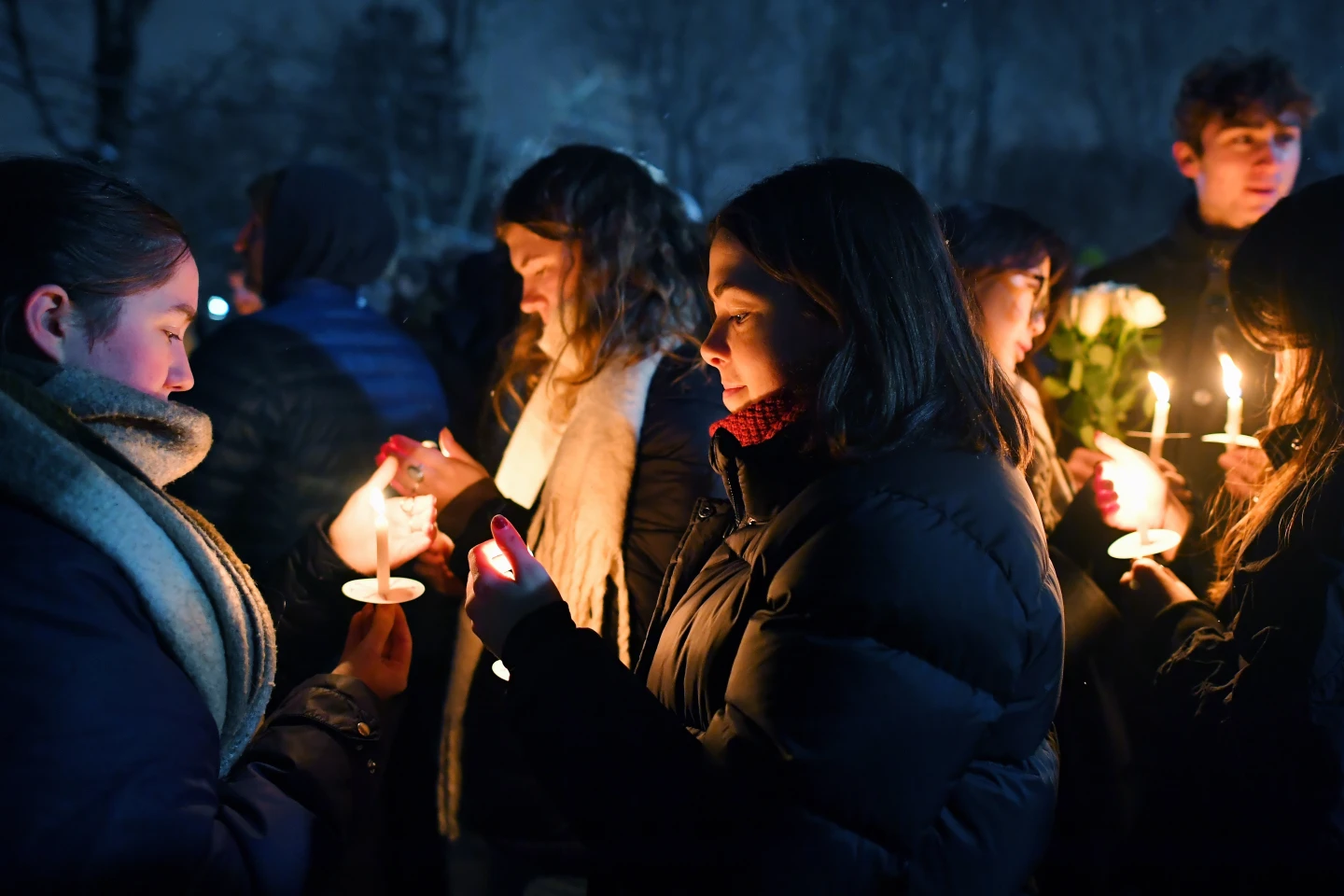
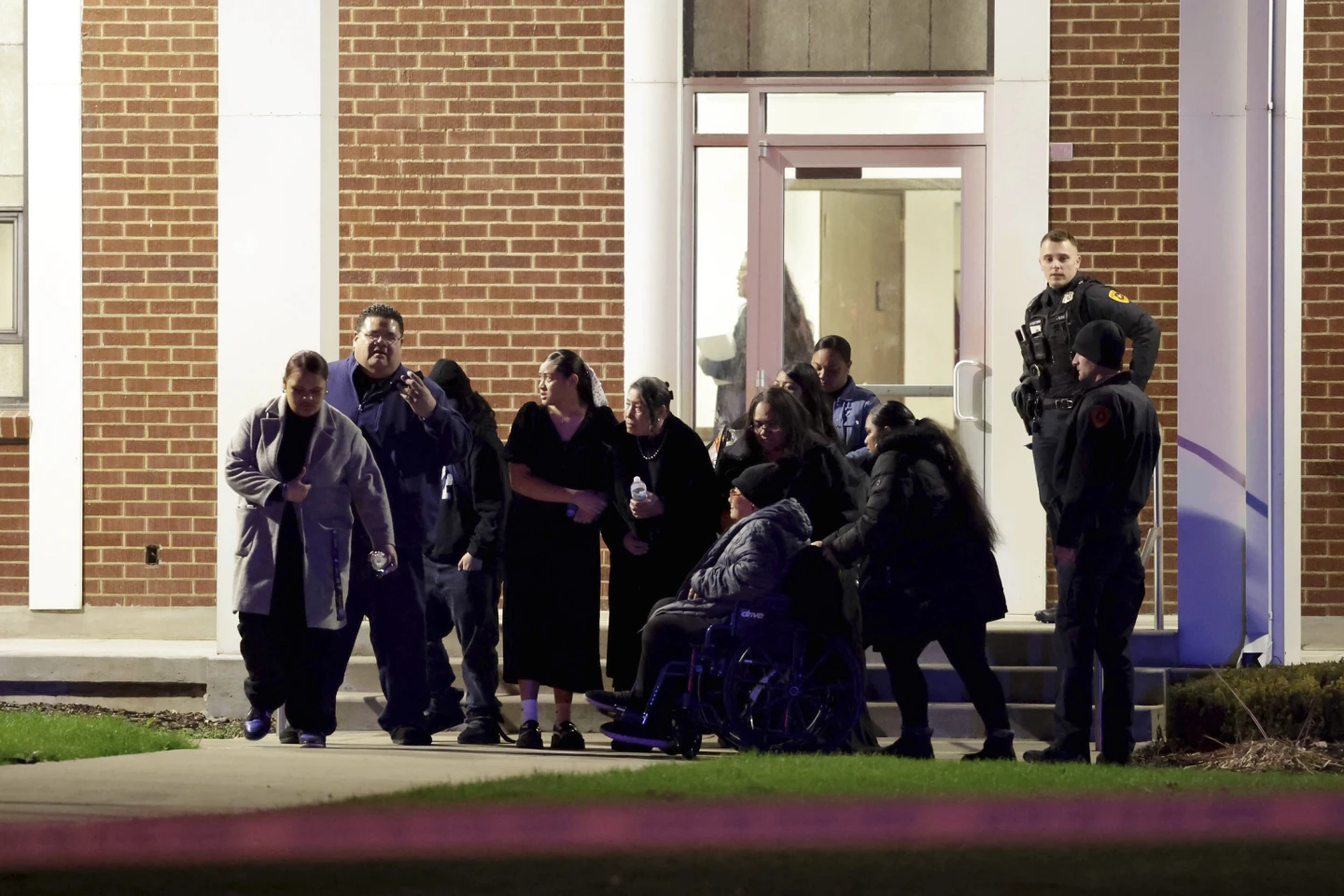
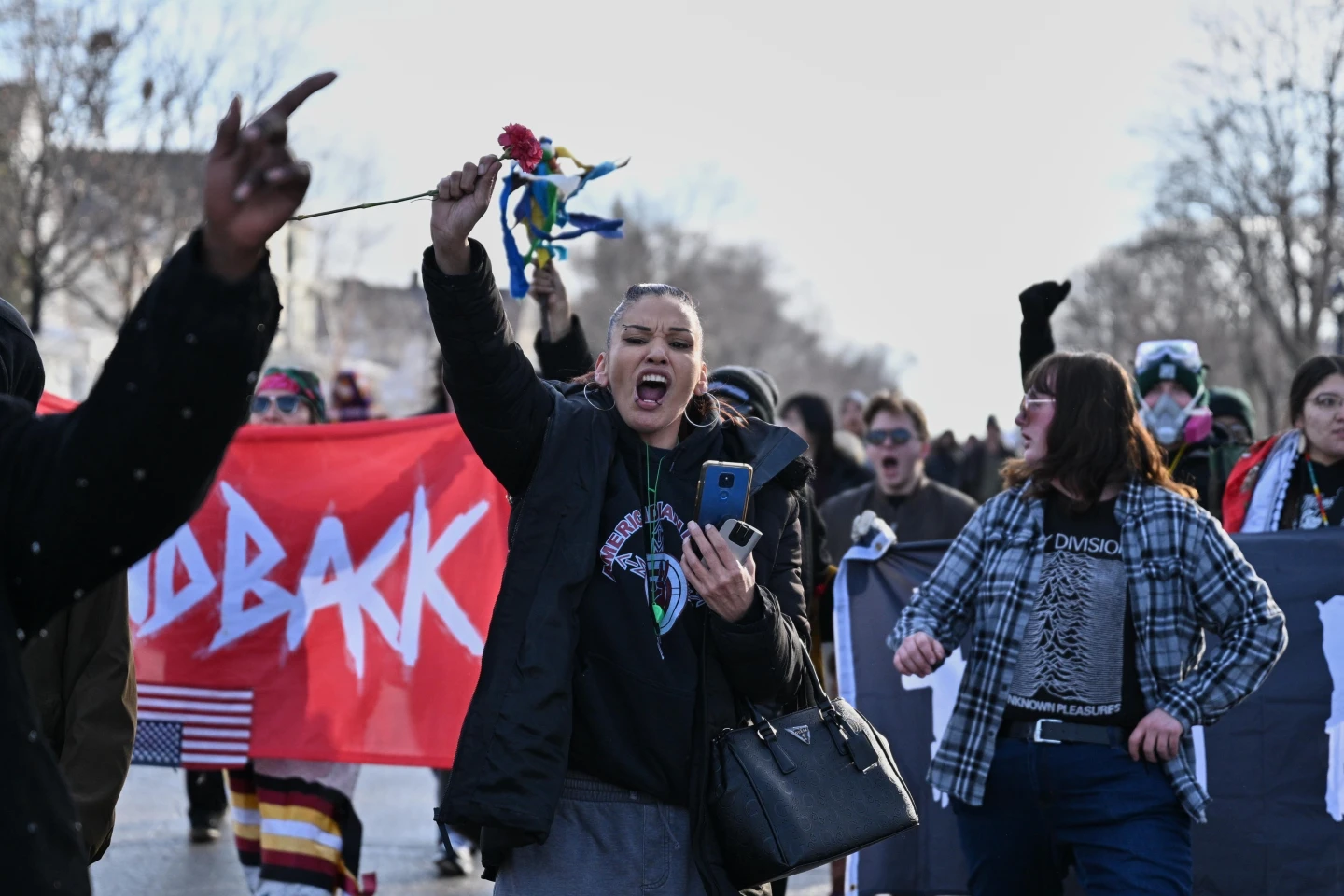
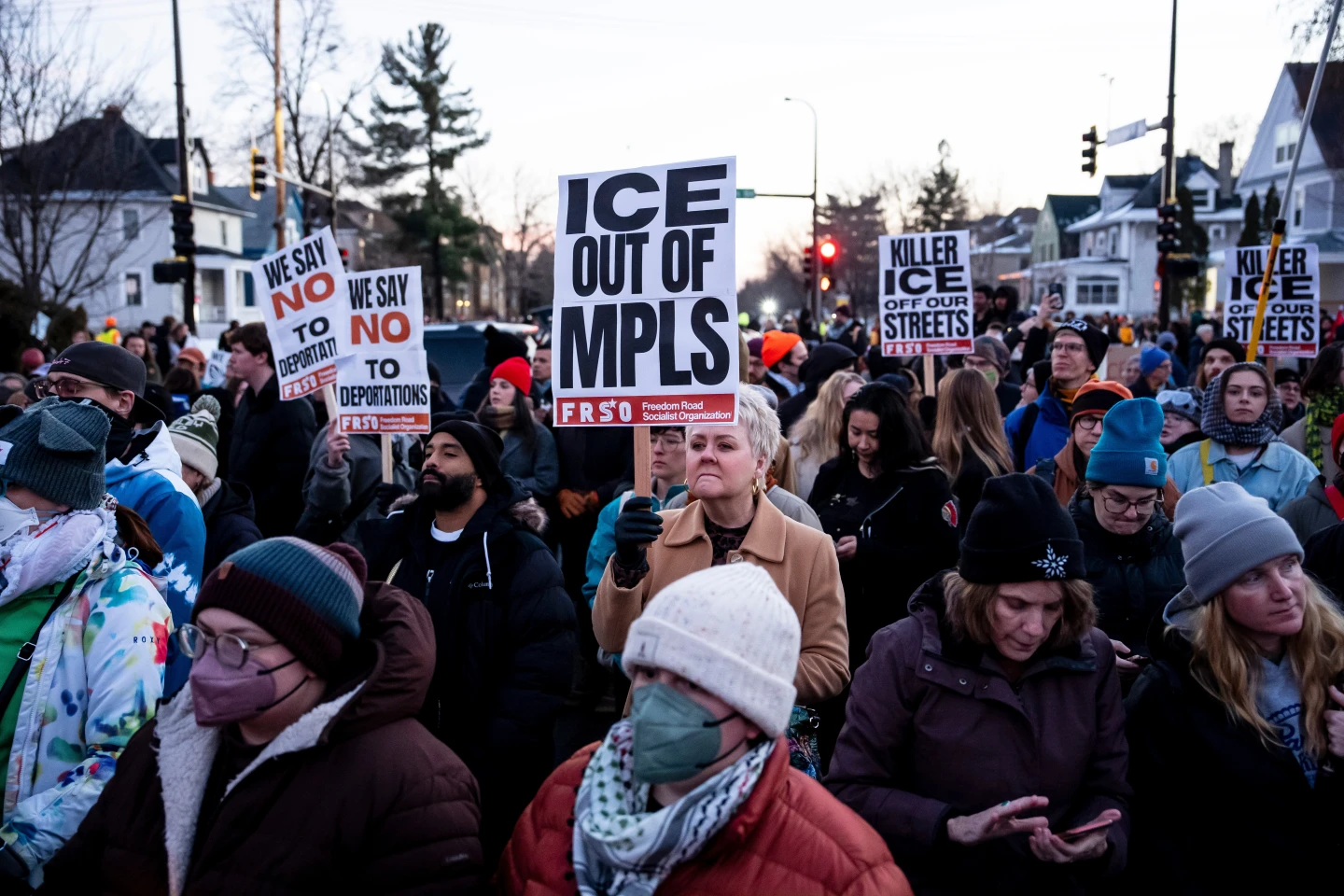
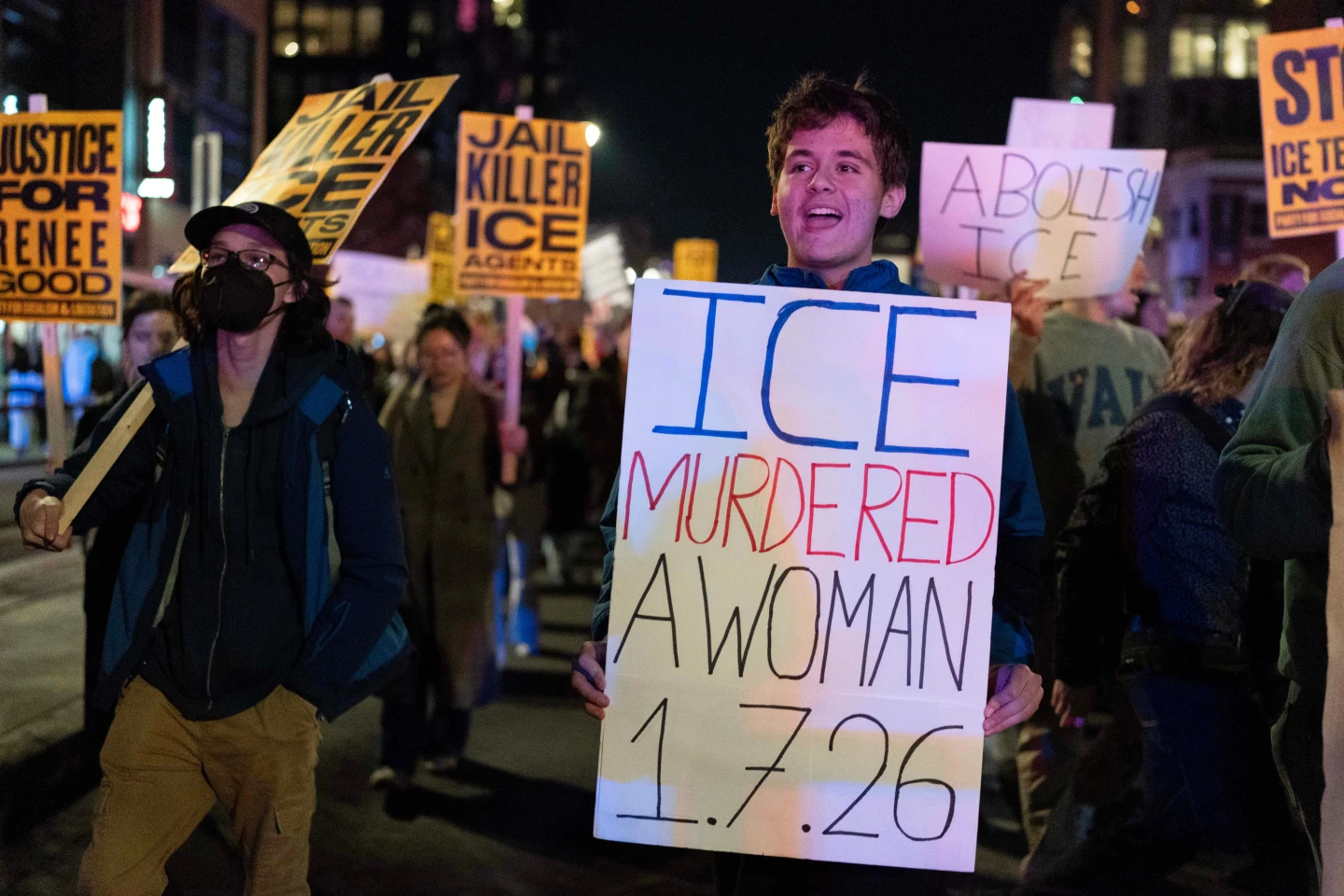
In the aftermath, public outcry echoed through the streets, with accusations of misconduct directed at the responding officers. Observers have emphasized the gravity of the situation, highlighting how de-escalation tactics could have potentially saved Good's life.
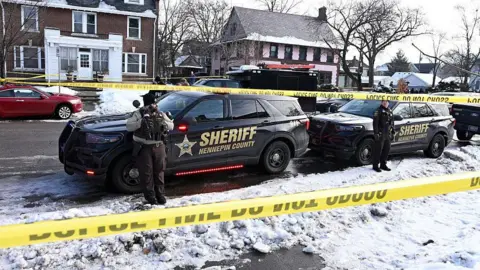
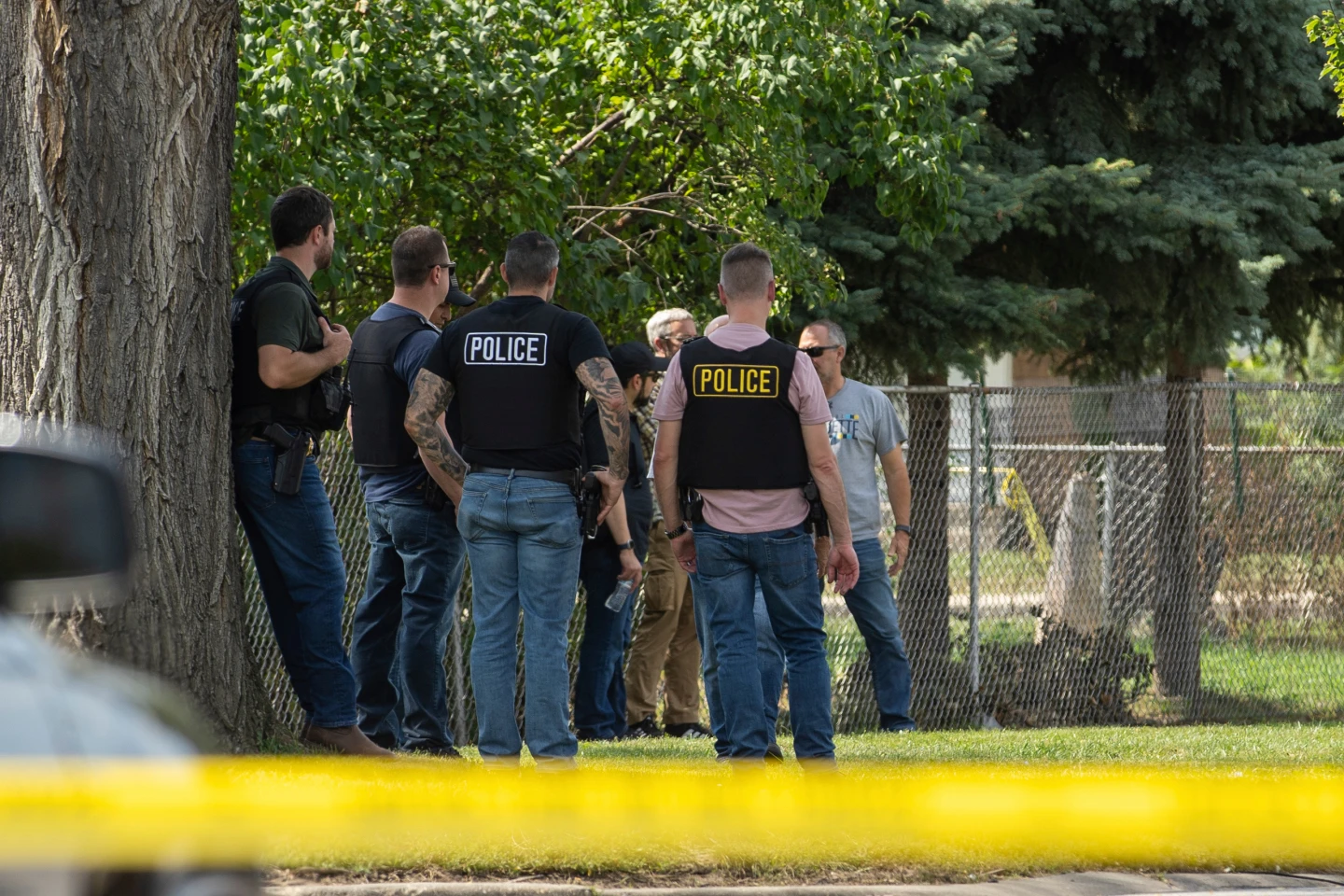
The incident remains under investigation, with experts considering whether the officer acted reasonably in perceived threat situations—a legal examination crucial for the accountability of law enforcement procedures.