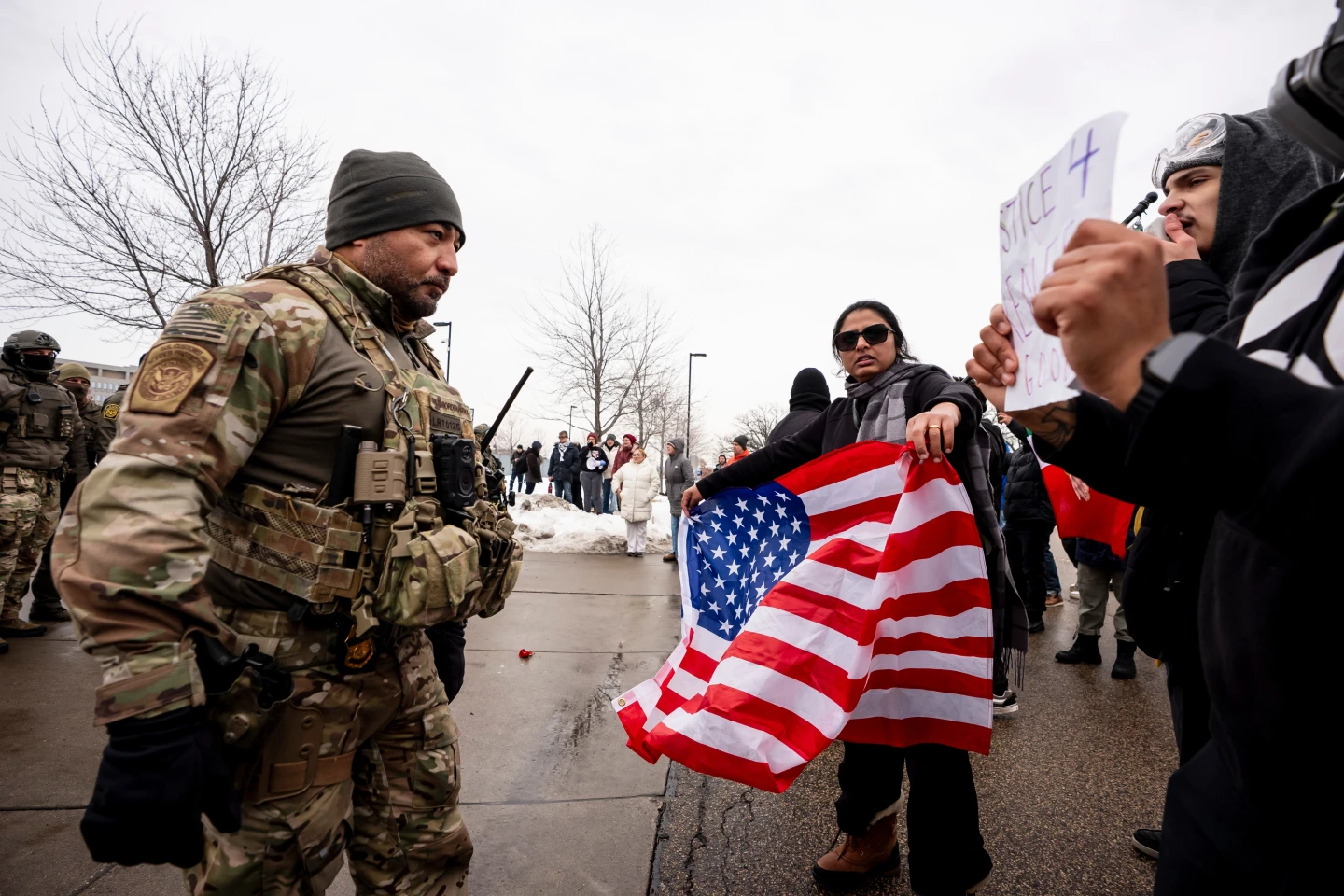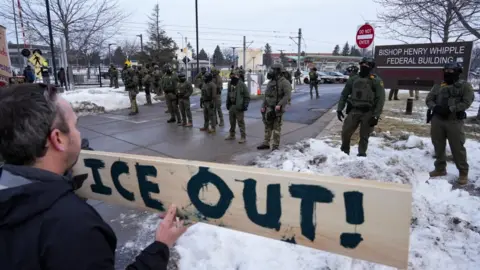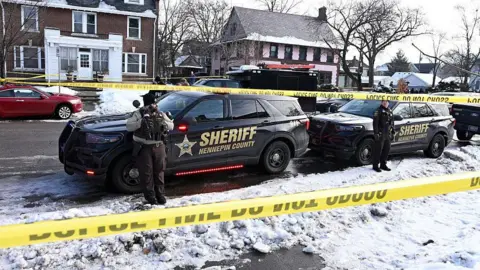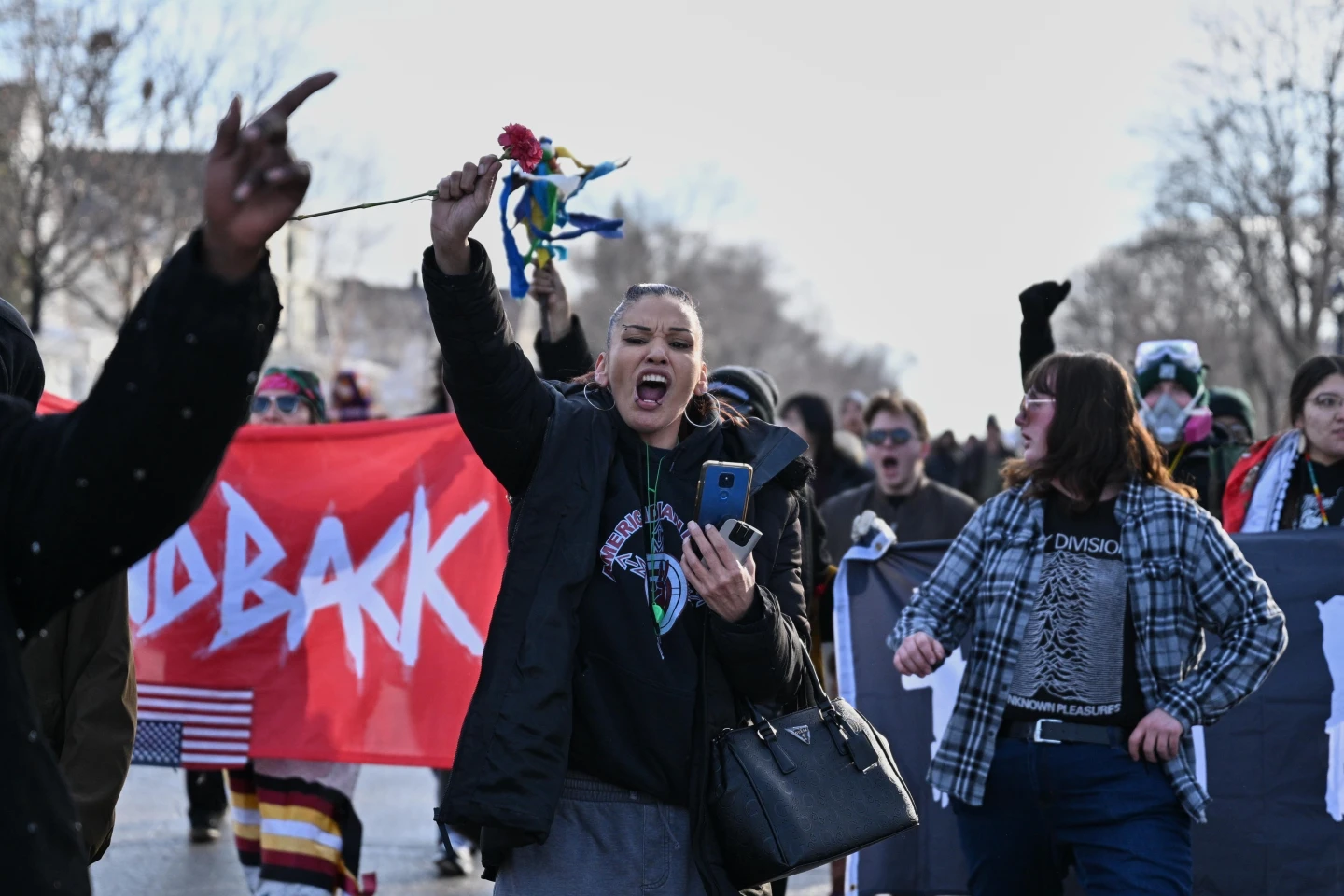
MINNEAPOLIS — Tensions ran high in Minneapolis on Thursday as the city reeled from the shocking shooting of a woman, identified as 37-year-old Renee Nicole Macklin Good, by an officer from the Immigration and Customs Enforcement (ICE). The incident, which is part of a broader immigration enforcement operation under the Trump administration, has provoked strong reactions from state and local officials.
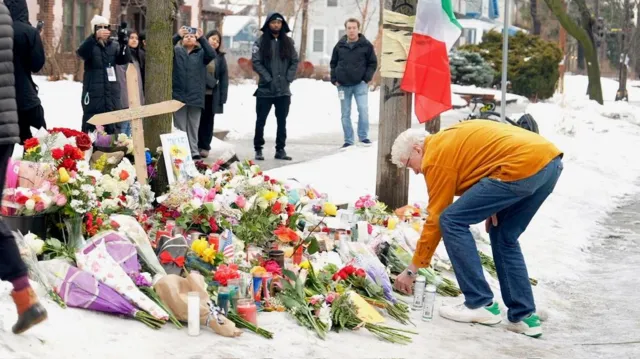
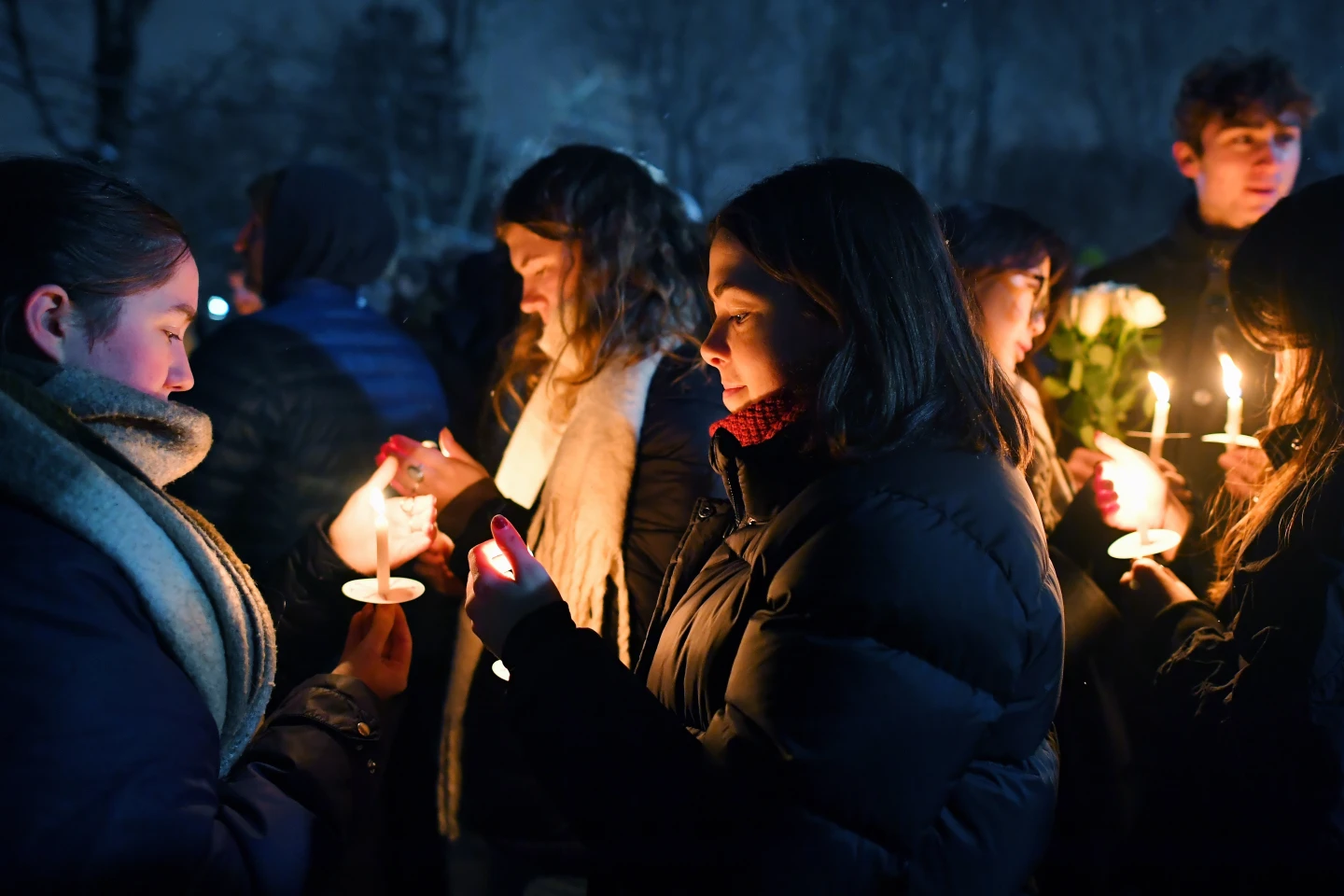
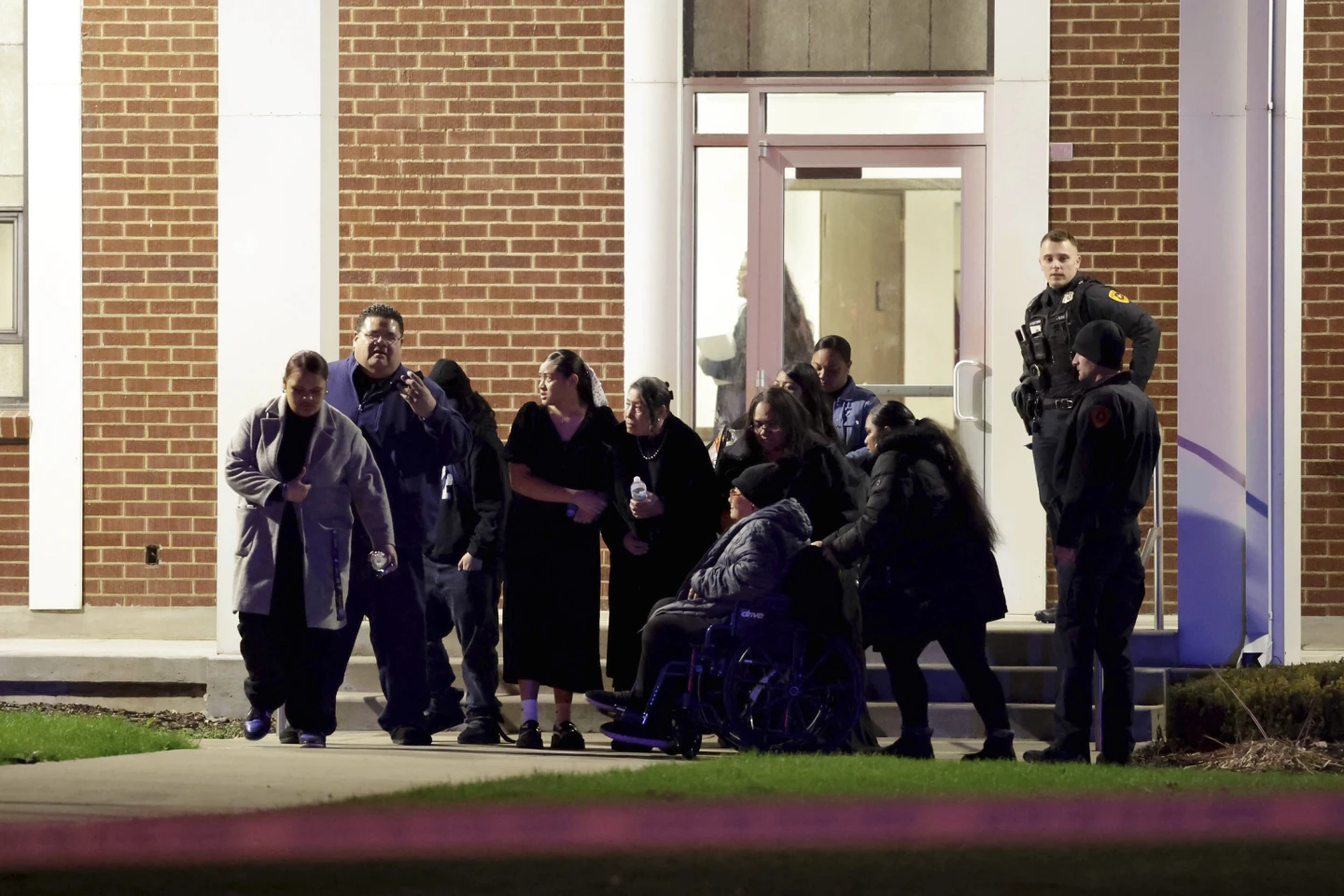
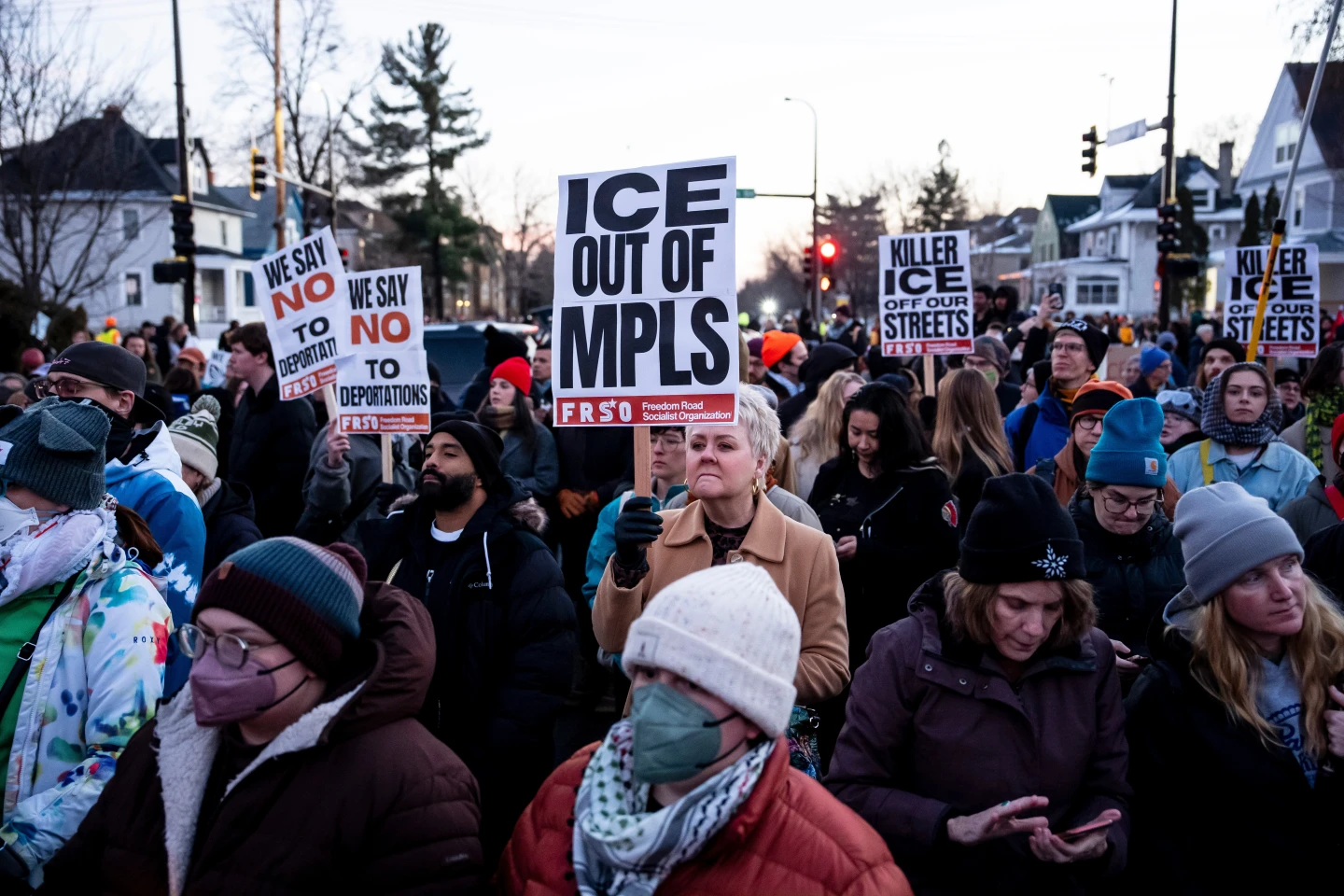
Macklin Good was shot in the head during an encounter with ICE agents, which was caught on video by local witnesses. Hundreds of mourners gathered in a vigil following her death, demanding justice and calling for an end to aggressive immigration enforcement practices.
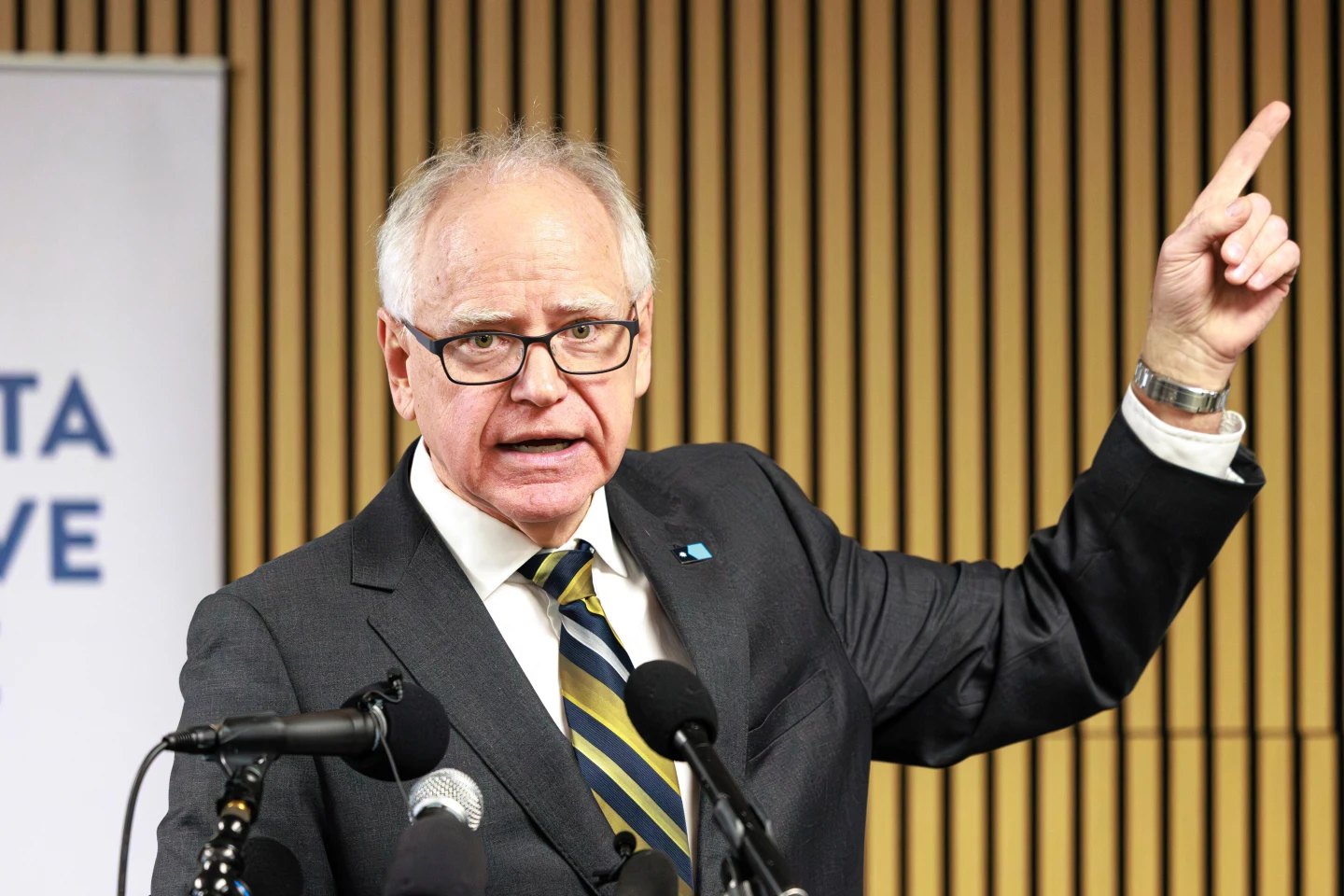
In the aftermath, Governor Tim Walz urged residents to remain calm amidst the turmoil, emphasizing peaceful protests while cautioning that the National Guard may be deployed if needed. Schools closed their doors as a precautionary measure due to heightened security concerns.
Local leaders, including Mayor Jacob Frey, condemned the actions of ICE, with the mayor labeling the federal response as a mischaracterization of events. Frey asserted that the shooting incident should not be framed as an act of self-defense.
The Department of Homeland Security reported that it had dispatched over 2,000 agents for what it claims is its largest immigration enforcement operation, resulting in numerous arrests. Conversely, Secretary of Homeland Security Kristi Noem stood firm that ICE would not be withdrawing from Minneapolis in the wake of the backlash.
Witnesses reported that during the incident, an ICE officer demanded Macklin Good exit her vehicle, which was stopped in the street. Eyewitness accounts raise questions about whether the vehicle posed any actual threat to the officers, as it was unclear if the vehicle had made contact or was advancing rapidly towards them.
As the protests continue, calls for accountability grow stronger on social media, emphasizing the need for a thorough investigation into the officer's conduct during the shooting. The Minneapolis community is striving to come together to address the implications of this tragic event and its broader significance in the conversation about immigration enforcement in the United States.