MINNEAPOLIS (FluxDaily) — Federal officers have faced significant protests in the cities impacted by President Donald Trump’s immigration enforcement campaign. Minnesota—where racial tensions have flared since George Floyd's death in 2020—has become a focal point, as a 37-year-old woman was recently shot and killed by an immigration officer amidst protests.
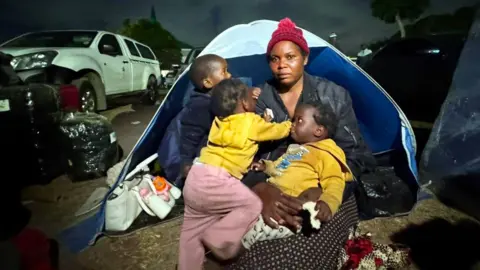
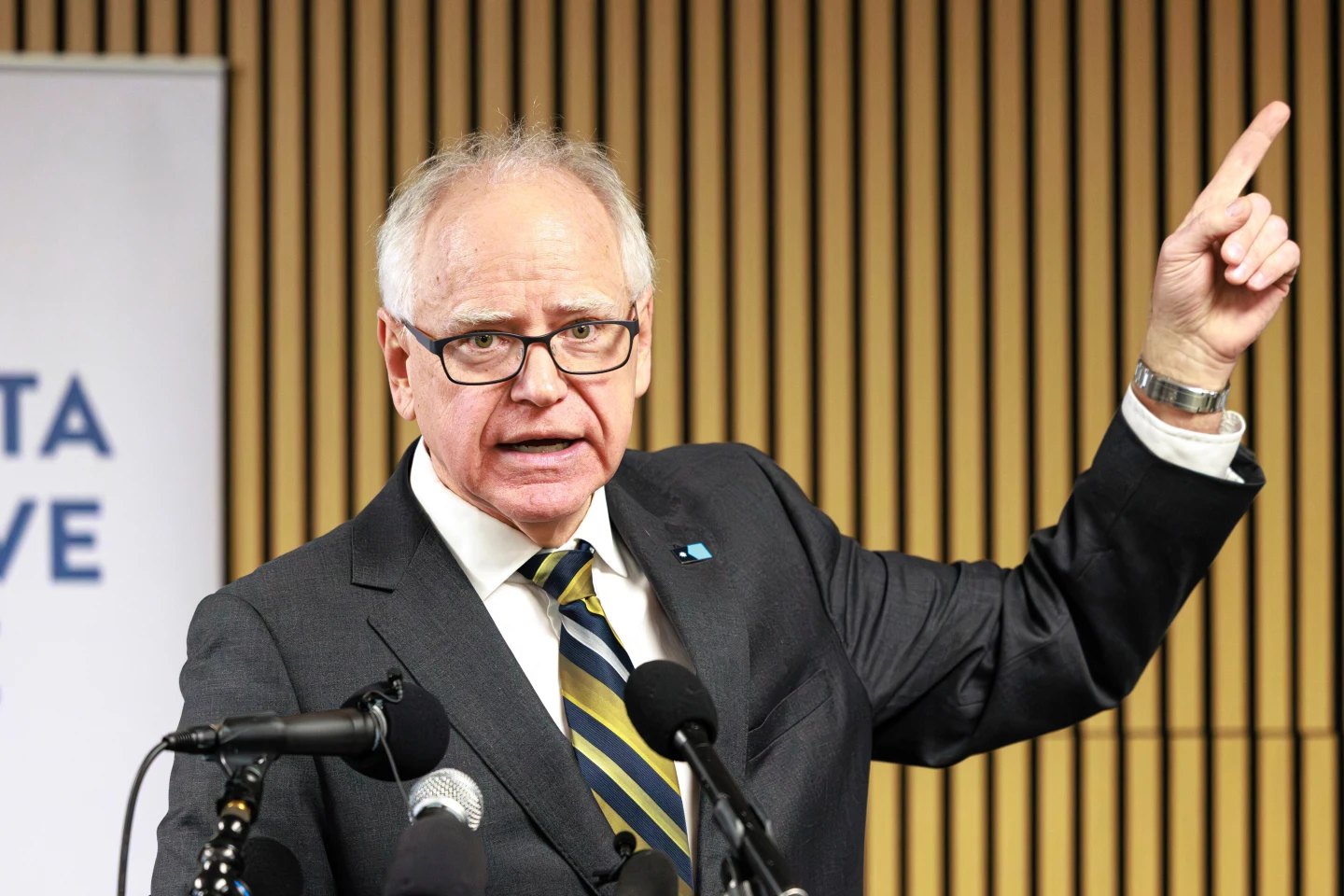
In response to ongoing unrest, Trump has targeted blue states like Minnesota, criticizing its large Somali population following recent allegations of fraud linked to COVID-19 aid programs. Amid this turmoil, Governor Tim Walz has announced he will not seek reelection, feeling the pressure from Trump's administration.
The tragic shooting of Renee Good has evoked painful memories of Floyd’s slaying and has significantly raised tensions. Local residents, such as nurse Stephanie Abel, recall the chaotic aftermath of 2020 and fear further unrest.
What are they going to try to do to get Minneapolis to ignite? Abel questioned, reflecting on the fragile atmosphere.
A State Under Siege
Minnesota has become a target for Trump’s immigration efforts, with a surge of federal agents sent to reinforce control. Good's death marks the fifth casualty amidst ICE operations, heightening public concern about federal enforcement in the state.
Following unverified accusations of fraud involving funds meant for vulnerable communities, including allegations directed at Somali-run day care centers, Trump has threatened to withdraw funding for essential programs in Minnesota and other Democratic states. These actions reflect a deeper political strategy aimed at solidifying his base by stoking fears related to immigration and public accountability.
A Call for Relief
In light of the ongoing situation, Governor Walz has made an emotional appeal, urging Trump to cease his aggressive stance towards Minnesota. “Leave our state alone,” Walz pleaded, noting that residents are weary from the relentless assault on their community.
The ongoing conflict serves as a grim reminder of the national divide and the way state-level politics can amplify societal tensions. As Minnesota grapples with racial and political strife, observers are left to ponder the path forward in these increasingly polarized times.