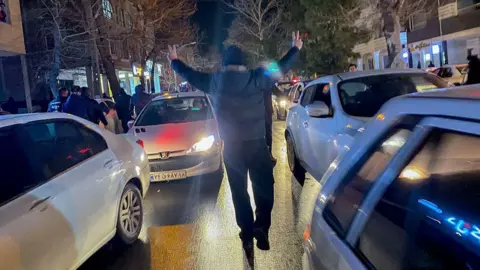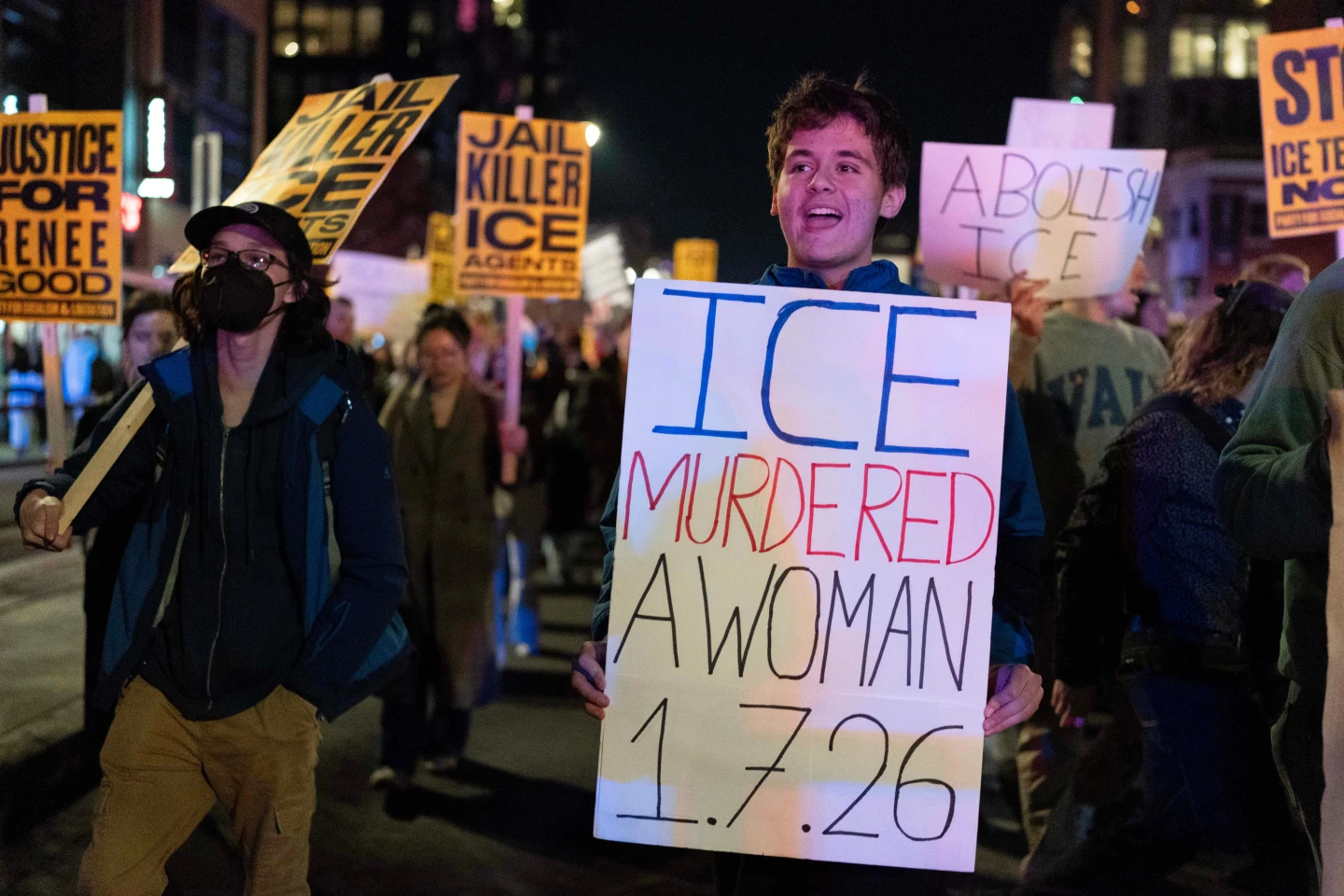
People took to the streets of Minneapolis and other U.S. cities for a second night to protest against the killing of 37-year-old Renee Nicole Good, who was shot in her car by a U.S. Immigration and Customs Enforcement (ICE) agent.
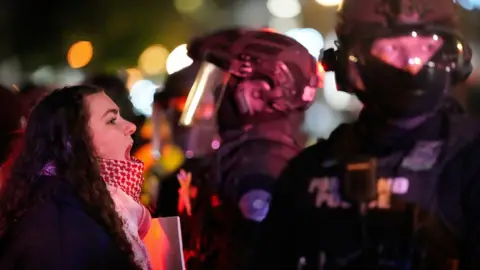
Demonstrators marched in Houston, Cincinnati, Washington D.C., Philadelphia, and other cities, some with placards calling for the abolition of ICE.
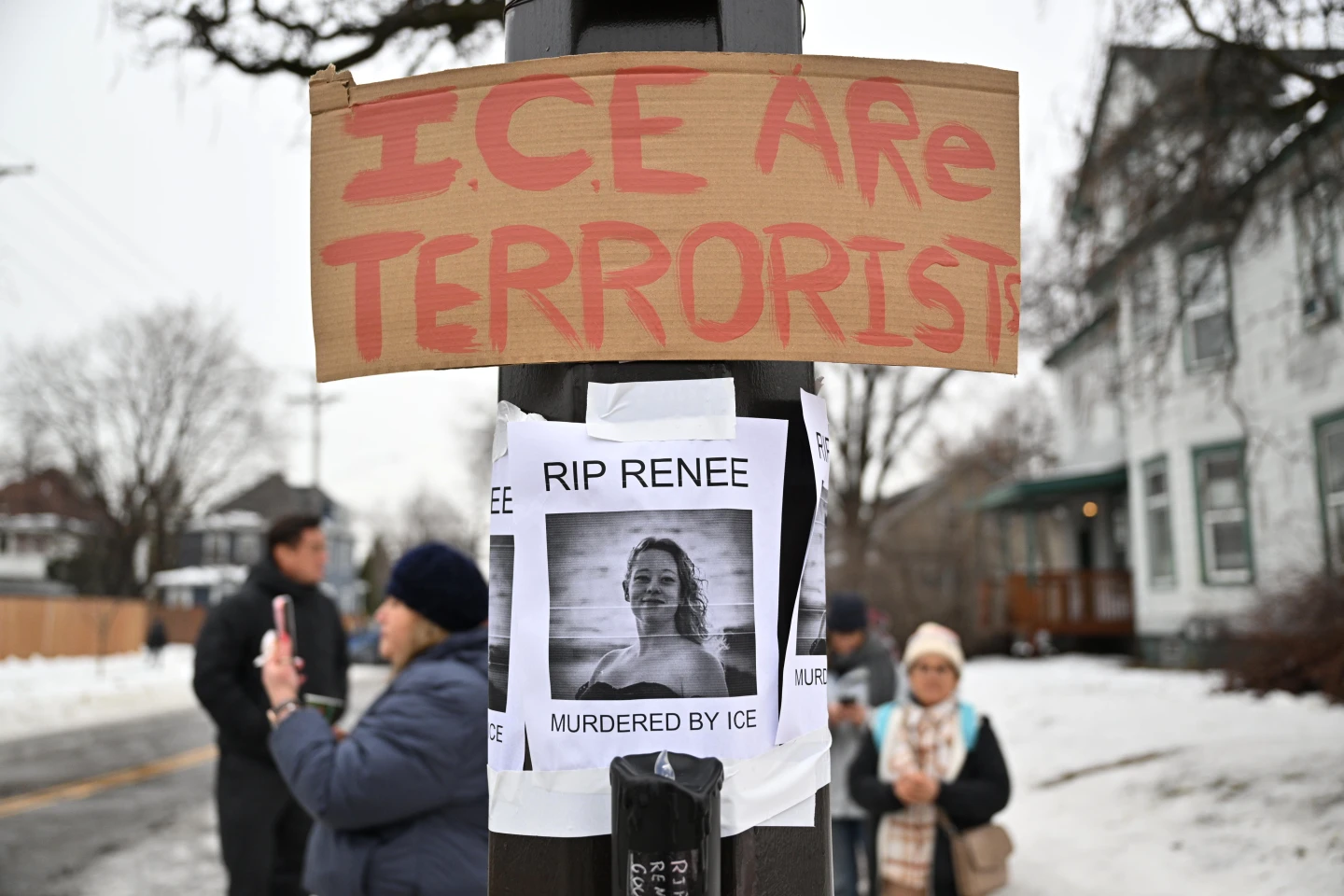
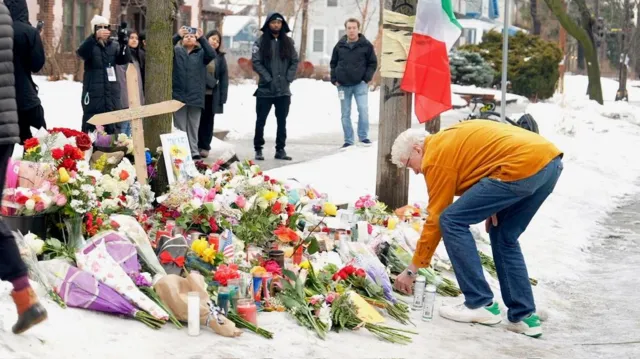
Tributes were laid where Good's car crashed following the shooting, located blocks away from the site where George Floyd was killed in 2020, which ignited weeks of national protests.
Meanwhile, two people were injured in a separate shooting involving federal agents in Portland, Oregon, raising further concerns about law enforcement conduct.
The Department of Homeland Security (DHS) reported the Portland incident occurred during a traffic stop involving a gang member who allegedly attempted to run over agents with his vehicle.
Local officials, including Portland’s Democratic mayor, have cast doubt on DHS’ account, and tensions escalated in the city as protests emerged at the ICE facility with multiple arrests reported.
The investigation into Renee Good's shooting has also sparked contention between Minnesota officials and the federal government, with state investigators claiming they were denied access to evidence and materials needed for a thorough inquiry.
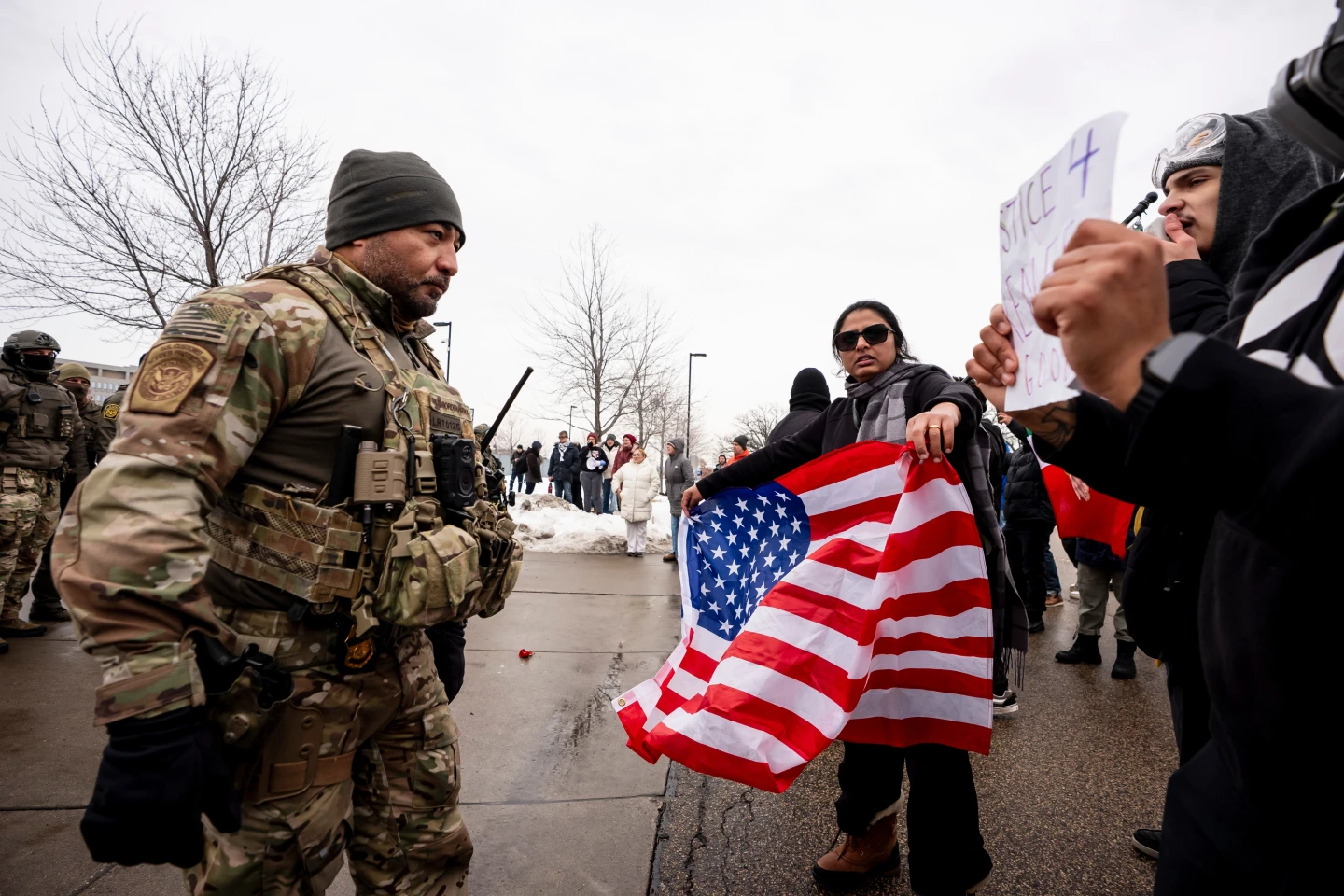
Accounts of the incident vary significantly. While federal officials claim the agent acted in self-defense, local leaders assert that Good posed no threat, emphasizing the need for transparency and accountability in the investigation.
As protesters gathered at the crash site to honor Good, community members expressed their outrage, demanding justice while law enforcement increased security measures in response to the unrest. The tragic loss of Good, a local poet and guitarist, has left a profound impact on the community, drawing attention to larger issues of police violence and immigration enforcement in the U.S.