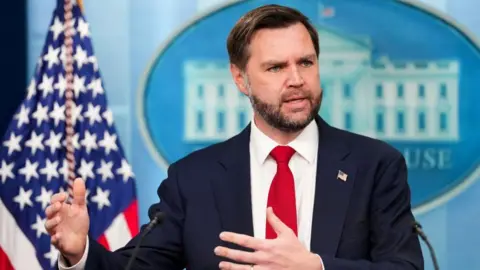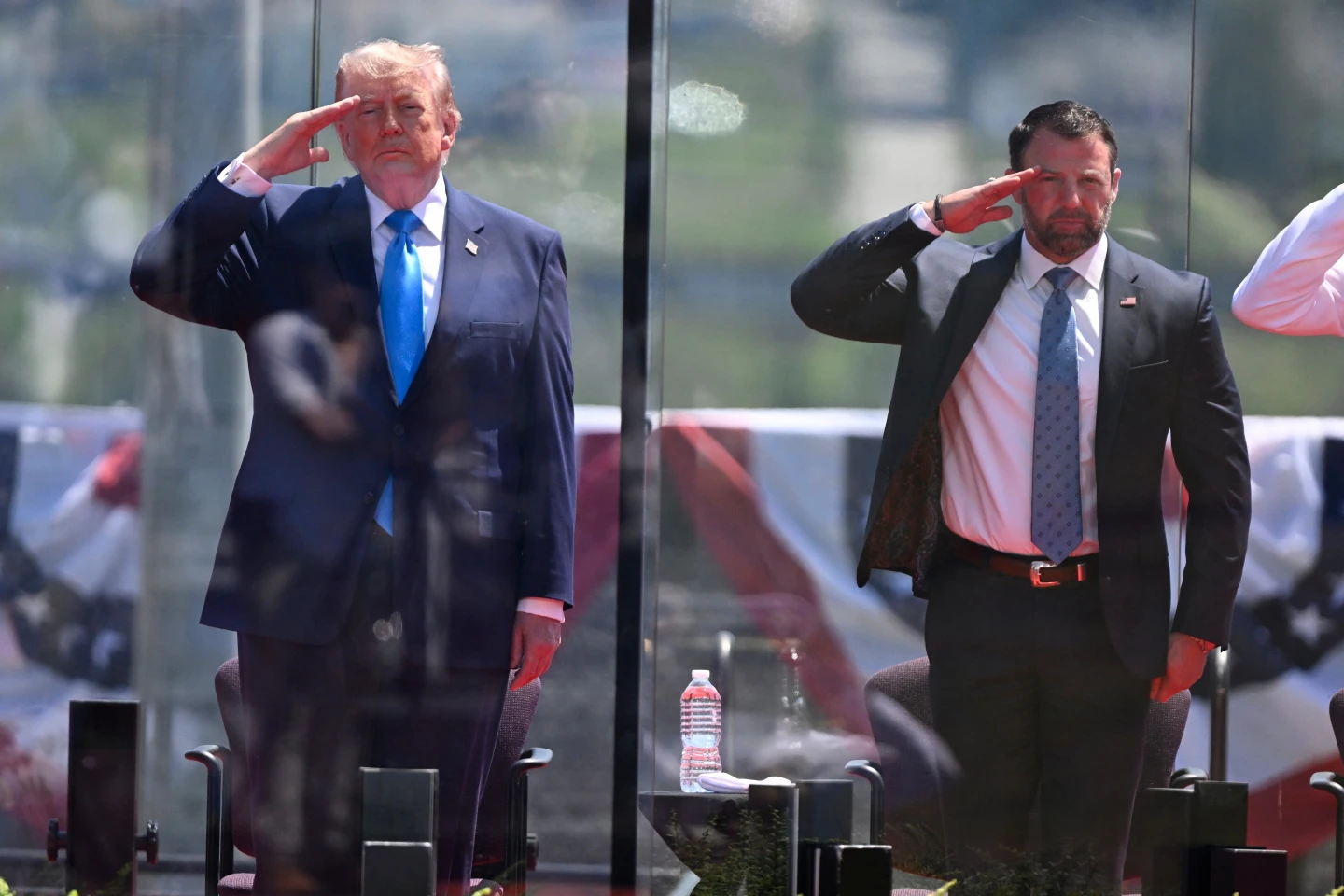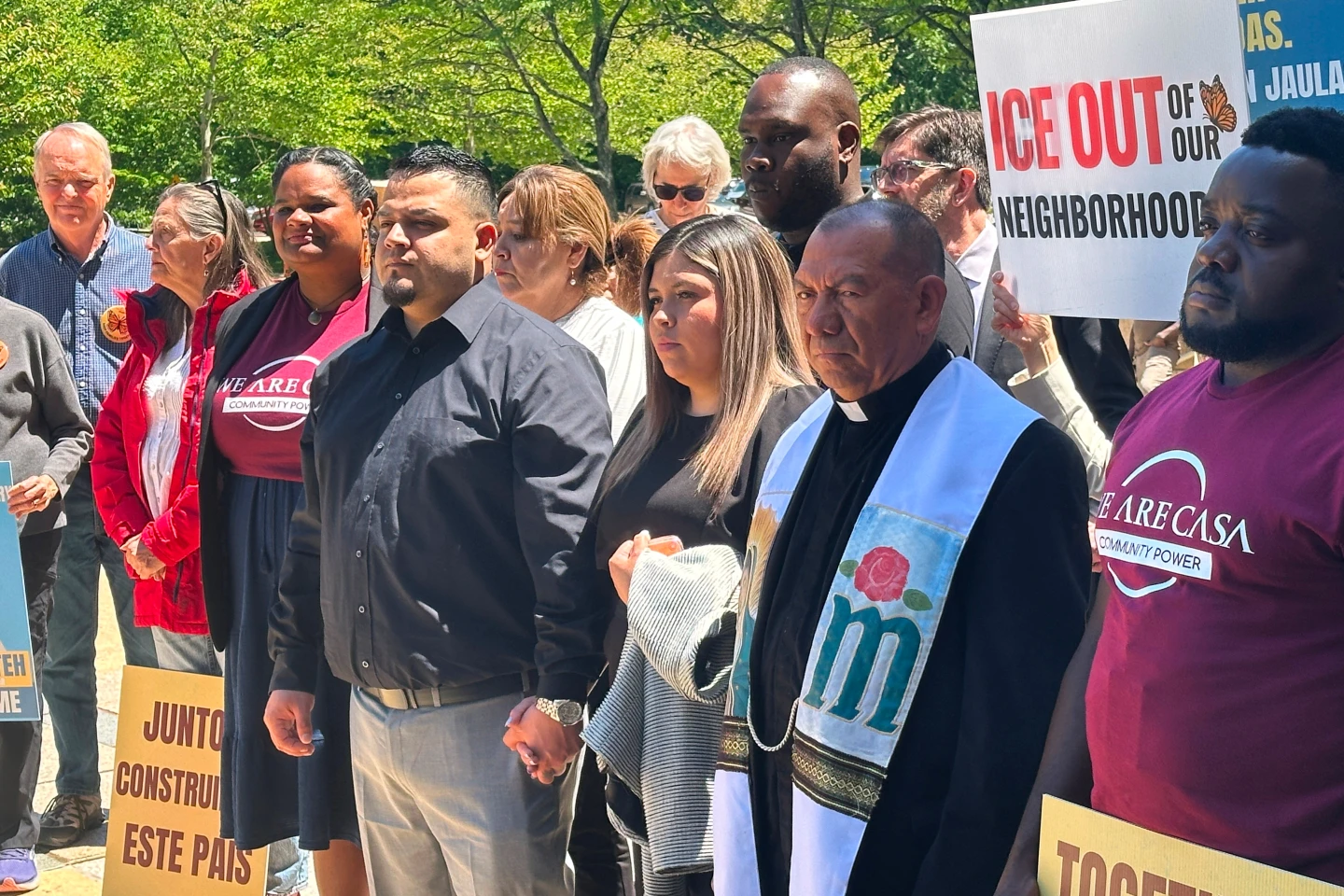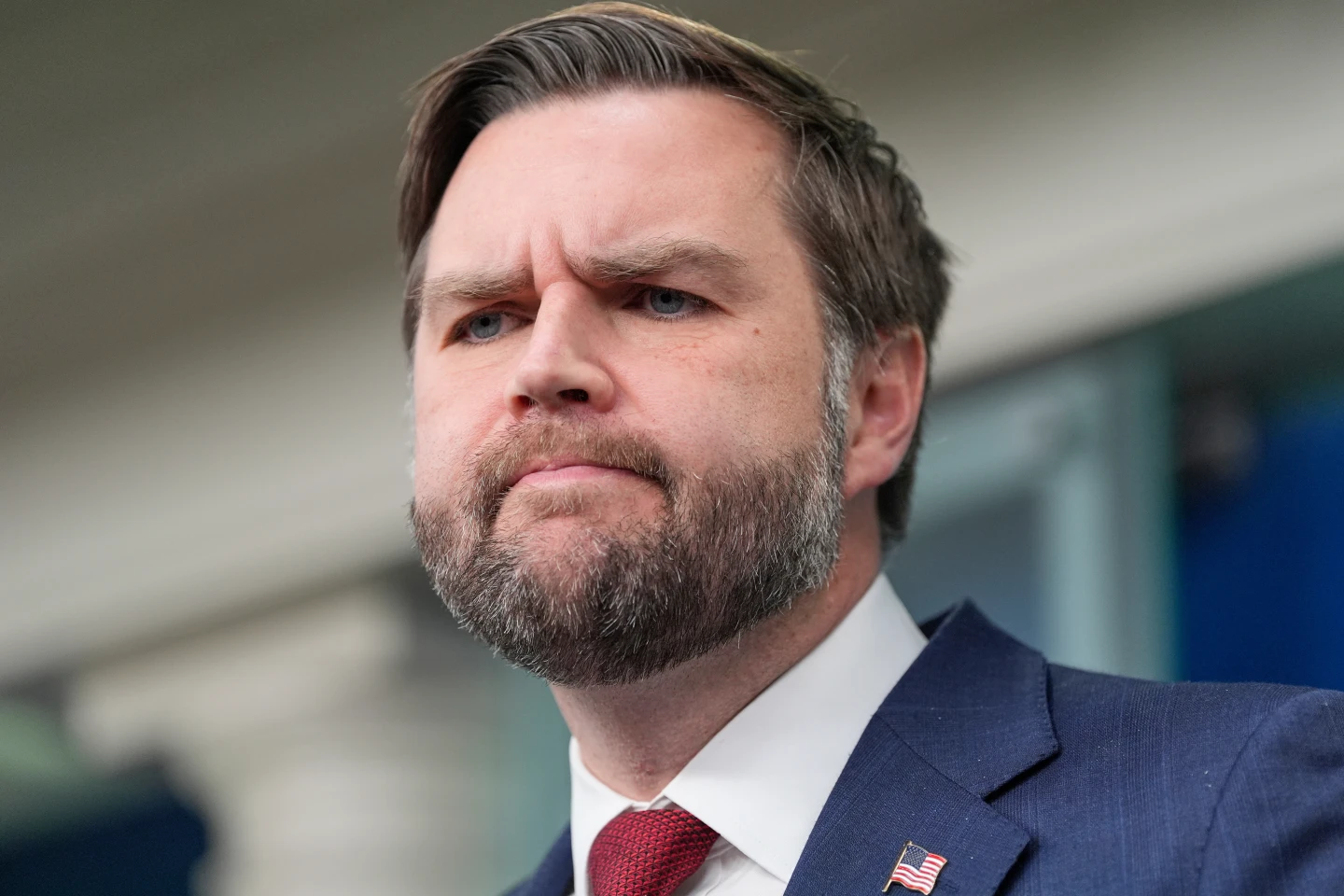
WASHINGTON (AP) — Vice President JD Vance on Thursday assigned blame for the tragic shooting death of a Minneapolis woman to what he characterized as a 'left-wing network', implicating Democrats, the media, and, controversially, the victim herself. This remarks came during heightened protests across the nation following the incident.
In a press briefing and on social media, Vance was unequivocal in his condemnation, making the first significant statement from the Trump administration concerning the shooting of 37-year-old Renee Good, who was shot by an Immigration and Customs Enforcement (ICE) officer during an operation. Vance suggested that Good’s aggressive maneuvering of her vehicle led to the tragic outcome.
Despite an ongoing investigation, Vance dismissed concerns of rushing to judgment, asserting, What you see is what you get in this case, and he was steadfast in believing that Good actively accelerated her vehicle toward the officer, a claim disputed by the mayor of Minneapolis, Jacob Frey, who dismissed arguments of self-defense as 'garbage.'
During his remarks, Vance expressed a mix of sympathy towards Good, labeling her a victim of left-wing ideology and implying her actions were significantly guided by this narrative. His rhetoric signals a broader defense of law enforcement at a time when many claim to feel threatened by rising forces opposing such authoritative measures.
The vice president's statements stirred significant responses, particularly from Homeland Security Secretary Kristi Noem, who characterized the incident as the result of a larger leftist movement against law enforcement. President Trump echoed these sentiments, framing immigration enforcement as a central theme of his administration's agenda.
Vance concluded by underscoring the need for political discourse to shift to the ballot box rather than ongoing protests, while announcing plans for a new assistant attorney general focused on prosecuting abuses in government assistance programs as a countermeasure to escalating crime narratives in Democratic precincts.
As the investigation continues and opinions remain fiercely divided on the appropriateness of the federal response and the ensuing violence, the incident’s implications on immigration policy and law enforcement remain heated topics of discussion across the nation.