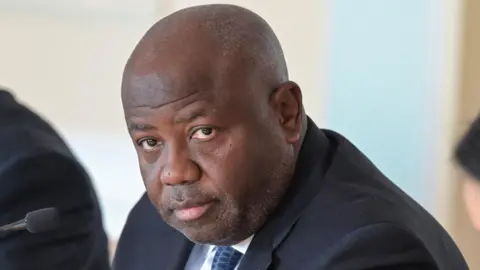
Equatorial Guinea’s government, led by Prime Minister Manuel Osa Nsue Nsua, has resigned after a senior government official confirmed that the cabinet had only achieved 10% of its stated goals during the six‑month term.
Vice‑President Teodoro Nguema Obiang Mangue, the son of long‑time President Teodoro Obiang Nguema Mbasogo, released the resignation on social media, noting that the administration failed to fight corruption, diversify the state economy, and manage resource allocation efficiently. In a tweet, he added: "The degree of execution achieved is clearly insufficient in relation to the expectations and commitments undertaken."
The presidential press office announced that the bulk of state resources had been misused for private gain and that major development projects had stalled. The ruling Democratic Party of Equatorial Guinea (PDGE) highlighted the lack of meaningful action in expanding the agriculture sector and reducing the country’s dependence on imported goods.
President Obiang, who has been in power since 1979, is the longest‑serving leader in the world. His tenure has been marked by a strong grip on power and the appointment of family members to key posts. The resignation of the current cabinet, it appears, is a specific response to the picayune delivery of promises, rather than a broader attempt to restructure the political order.
A new cabinet is expected to be formed, though no timeline has been given. Analysts say that, given the country’s heavy dependence on oil, the lack of economic diversification and the persistent decline of oil output may hamper efforts to stabilize a society marked by high poverty levels. Equatorial Guinea’s populace of around 1.8 million still faces widespread deprivation, with economic growth stunted by decreasing production and falling global demand for petroleum exports.