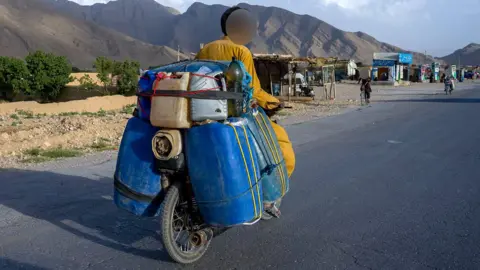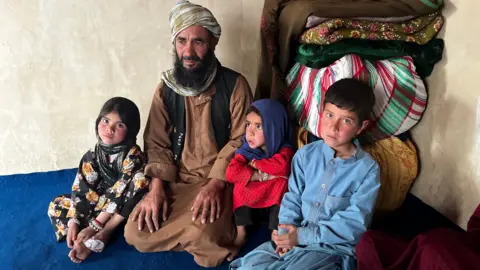
As dawn breaks in Chaghcharan, Ghor province's capital, desperate fathers line the streets, seeking any work to feed their families. Amid widespread unemployment and dwindling aid, many men like Juma Khan recount nights spent with hungry children.
With three in four Afghans unable to meet their basic needs according to the UN, fathers are facing impossible choices. Stories arise of Abdul Rashid Azimi, willing to sell one of his daughters for food, and Saeed Ahmad, who sold his five-year-old to pay for urgent medical treatment, revealing a grim reality for countless families.
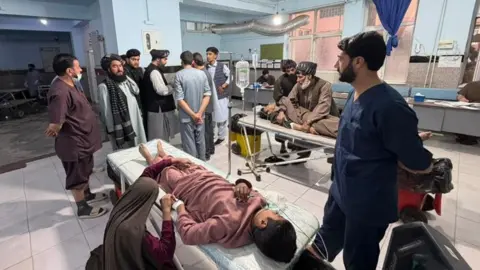
The tale of hardship is reflected in the new wave of child mortality, driven primarily by malnutrition. Local reports indicate child mortality rates are surging, with families often choosing between food and basic healthcare. Many hospitals, overwhelmed by poverty, lack essential supplies.
Humanitarian aid to Afghanistan has notably decreased, primarily due to political shifts and significant cuts from major donors. As the Taliban government struggles to provide, the people find themselves caught in a relentless cycle of despair and desperation.
This situation serves as a stark reminder of the human cost of political decisions and the critical need for urgent humanitarian assistance to combat the overwhelming poverty faced by millions of Afghans today.