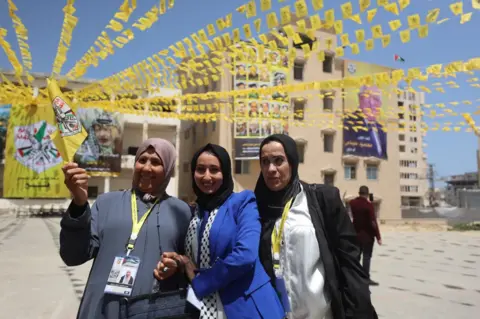
Top leaders of the main Palestinian political faction, Fatah, convened for their first significant meeting in nearly ten years to elect its highest decision-making body. In this context, the 90-year-old Palestinian President, Mahmoud Abbas, was re-elected as head of Fatah on Wednesday.
Despite the leadership's promises of unity and renewal, ordinary Palestinians are expressing discontent with the proceedings, asserting this conference highlights their alienation at a critical juncture for their nation. Opinion polls reflect a profound dissatisfaction with Abbas, with many citizens urging him to step down. This discontent is further exacerbated by the candidacy of Abbas's eldest son for a senior party position for the first time.
During the conference's opening, Abbas vowed to hold the first presidential and parliamentary elections in 20 years, although he did not provide a timeline for these elections. He reaffirmed his commitment to reforms, asserting that the gathering on Palestinian soil symbolizes a determination to follow a democratic path.
The Palestinian Authority is under increasing pressure from international entities, including the US, EU, and Arab nations, to enact reforms, especially concerning allegations of corruption and dwindling legitimacy.
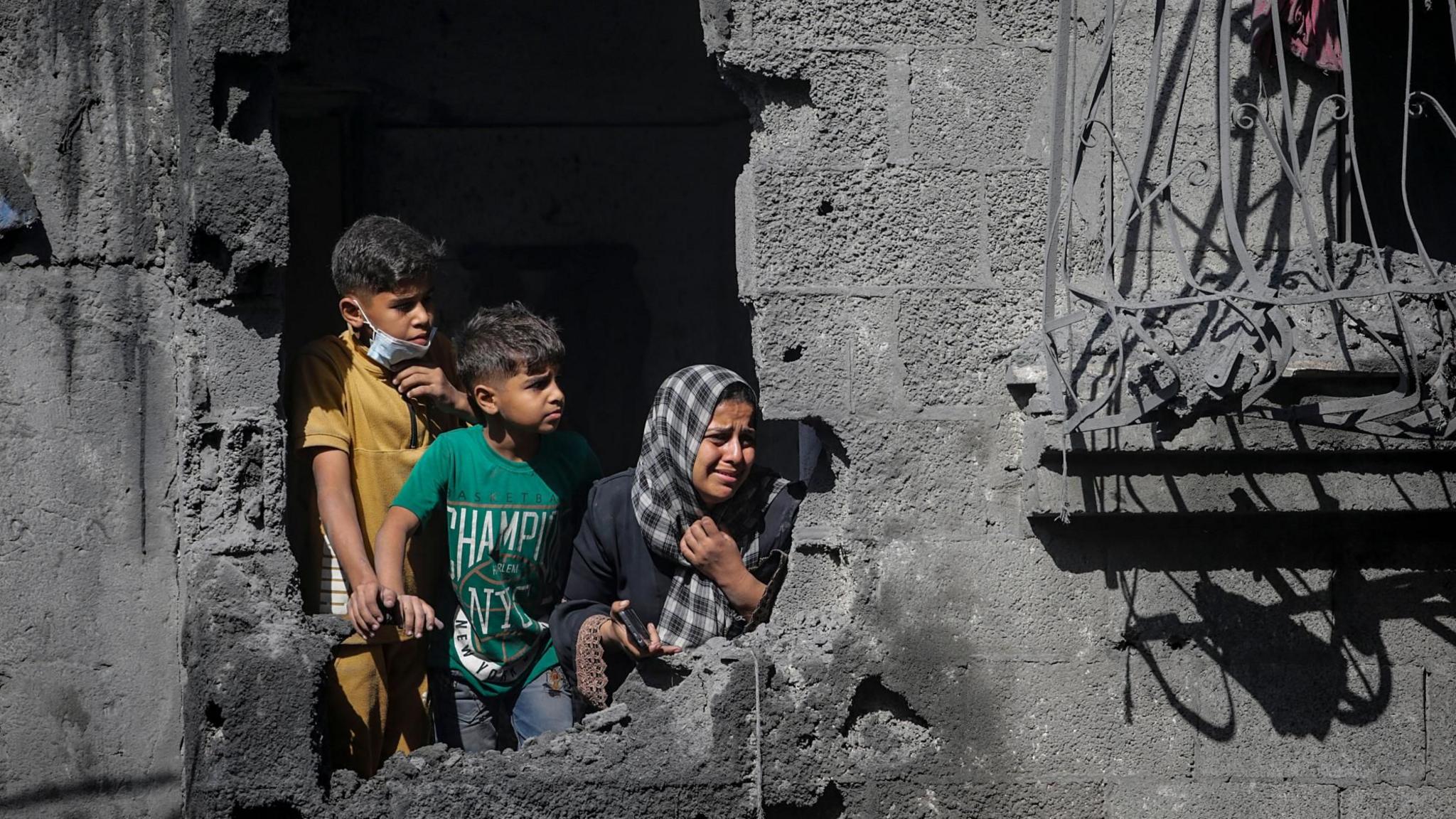
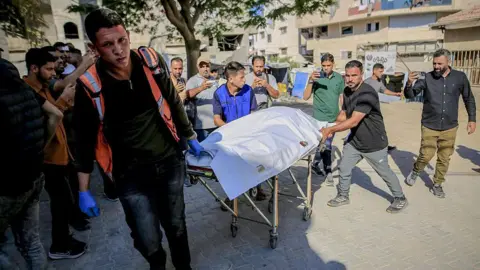
Current realities are starkly different from the last general conference in 2016. A deadly Hamas-led assault earlier this year led to severe humanitarian crises in Gaza, as voiced by Abbas in his address. Simultaneously, a prominent Israeli minister has signalled an intent to negate the prospect of a Palestinian state, worsening the position of the PA, which is dominated by Fatah.
Compounding these issues, Israel has been withholding vital tax transfers owed to the PA, deepening the economic crisis that affects civil servants' salaries and public services. With the PA allegedly owed around $5 billion, the financial strain is palpable.
As the conference unfolded with over 2,500 Fatah members in attendance, it prompted discussions about political succession in the party. While Fatah activists express hope for change, internal divisions persist, particularly regarding prominent figures eyeing to succeed Abbas.
The emergence of Abbas's son on the ballot has sparked discussions about nepotism, further fueling public skepticism and raising doubts about the PA's ability to implement meaningful reforms. Criticism is mounting among citizens, who perceive the conference as a mere façade, costing a fortune while neglecting the needs of the people.