High‑Heat, High Stakes: Motorbike Riders Haul Iranian Fuel Across Balochistan
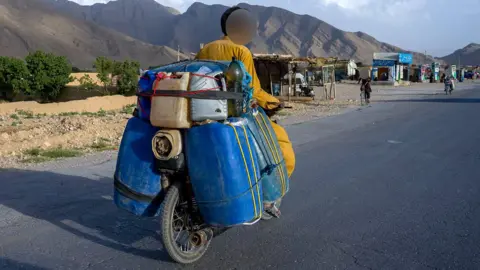
Base‑camping in the extreme heat of Mastung, the motorcycle hulk of Mazaar carries five 70‑litre canisters of petrol strapped to the back of his battered bike. For the rough 300 km trip through a blistering region that reaches 50°C, the fuel’s thin plastic walls can thicken and shatter, igniting a fatal blaze.
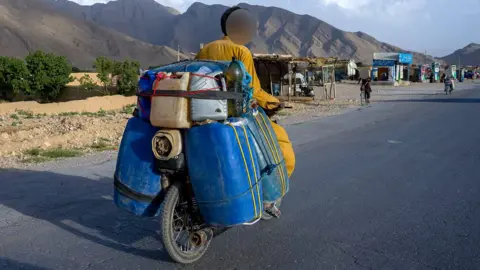
Within Pakistan, especially the mineral‑rich but under‑developed province of Balochistan, fuel smuggling has become a tool of survival for roughly 2.4 million people. The practice, illegal under Pakistani law, is driven by a combination of rising domestic prices, government inaction, and a Syrian‑type war that blocks sanctioned oil flows. Pakistani authorities admit having seized 1.3 billion rupees worth of fuel in the last year, yet the trade keeps swelling thanks to the high international price spikes and the desire of some groups to bypass U.S. sanctions.
“The war started and we were ruined,” Mazaar told the BBC. The war’s impact has pushed his daily earnings from 5,000 rupees to 3,000 rupees, barely above the country's minimum wage. The cost of higher import duty, fuel scarcity, and the ever‑present threat of a heat‑induced conflagration leaves smugglers like him with no better choice.
In addition to the physical dangers of heat and flash‑fires, smugglers face armed insurgents in the area. Disputed settlements and infiltrated forces have claimed thousands of civilians disappeared in recent years, forcing many to live on the tips of laws that offer protection but often just a front for bribery. Smugglers often report that Pakistani security forces turn a blind eye in exchange for a cut of their haul.
The flow of cheaper, smuggled oil has pushed official supply to a 27‑year low for the current season, prompting the Oil Companies Advisory Council to write to the government for intervention. A leaked intelligence report estimates that as much as $1 billion worth of Iranian fuel travels across the border each year, with drivers like Mazaar and his 11‑rider crew navigating a brutal heatwave and potential sabotage.
The story stretches beyond smuggling statistics. A study of Balochistan shows that the province spans 44% of Pakistan’s land but houses only 6% of its population, all while possessing abundant mineral resources. With limited job opportunities, growing poverty, and a history of unresolved separatist conflict, many are forced into underground economics, even at the cost of life.
Official statements from the Pakistani government deny any direct involvement in the smuggling ring, although prime minister Shehbaz Sharif has ordered a crack‑down. Meanwhile, groups claim that the Iranian regime provides cheap fuel to create a profitable illegal market, especially as sanctions tighten.
For Mazaar and others, the card is clear: the war has punished their livelihoods, but they remain resolute. “I have to die one day anyway.” The heat, the politics, and the burning of petrol all blur into a daily nightmare that few can escape and many will never leave alone.