Kumanjayi Little Baby, a five-year-old Aboriginal girl, went missing from her Alice Springs community in April. Her body was discovered five days later, leading to a community-wide mourning. An Aboriginal man has been charged with her alleged murder, deepening the collective grief felt in Alice Springs, a town that came together in support during the search for Kumanjayi.
The tragic incident has stirred national reflection on the vulnerabilities faced by Indigenous Australians, with Prime Minister Anthony Albanese expressing his condolences and calling attention to the protective failures experienced by Aboriginal families. It breaks your heart, he remarked, emphasizing the deep love Indigenous communities have for their children and the tragic loss they have suffered.
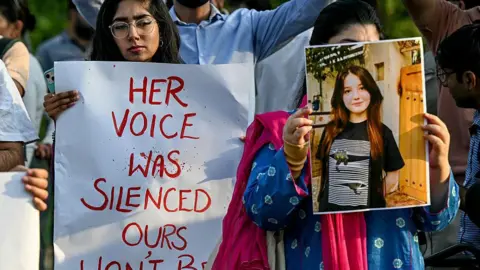
Kumanjayi, whose mother referred to her as a princess, is remembered fondly by community members and mourners, with tributes appearing across Alice Springs. Vigils held in her honor have reflected a shared sorrow among families and friends, and have drawn attention from political leaders concerned about the systemic issues that led to this tragedy.
Experts highlighted the socioeconomic disparities in Indigenous communities, asserting that systemic inequalities have left vulnerable families without adequate support. This incident has generated calls for a thorough review of the child protection system in the Northern Territory, where disparities in housing, education, and health services persist.
As discussions continue around this painful event, Aboriginal leaders stress that addressing the root causes of these inequalities requires a holistic and community-led approach. The tragic story of Kumanjayi Little Baby serves as a somber reminder of the ongoing challenges faced by Indigenous Australians and the urgent need for systemic change.