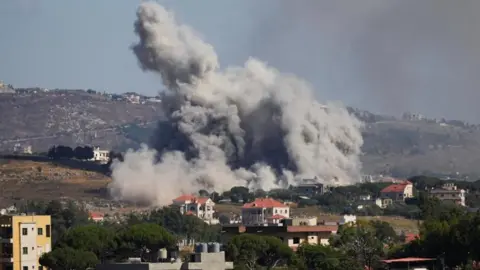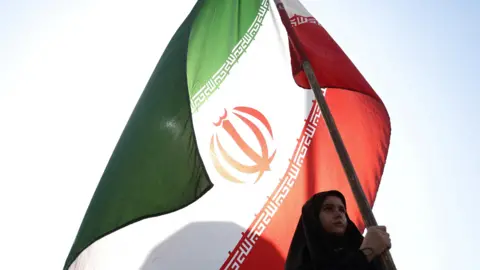
The emotional landscape for many American Jews is increasingly tumultuous as tensions escalate globally, particularly regarding Israel's actions in the Middle East. This dichotomy of emotions includes profound anger at the rise of antisemitic attacks and intense internal disagreements over the Israeli government's policies.
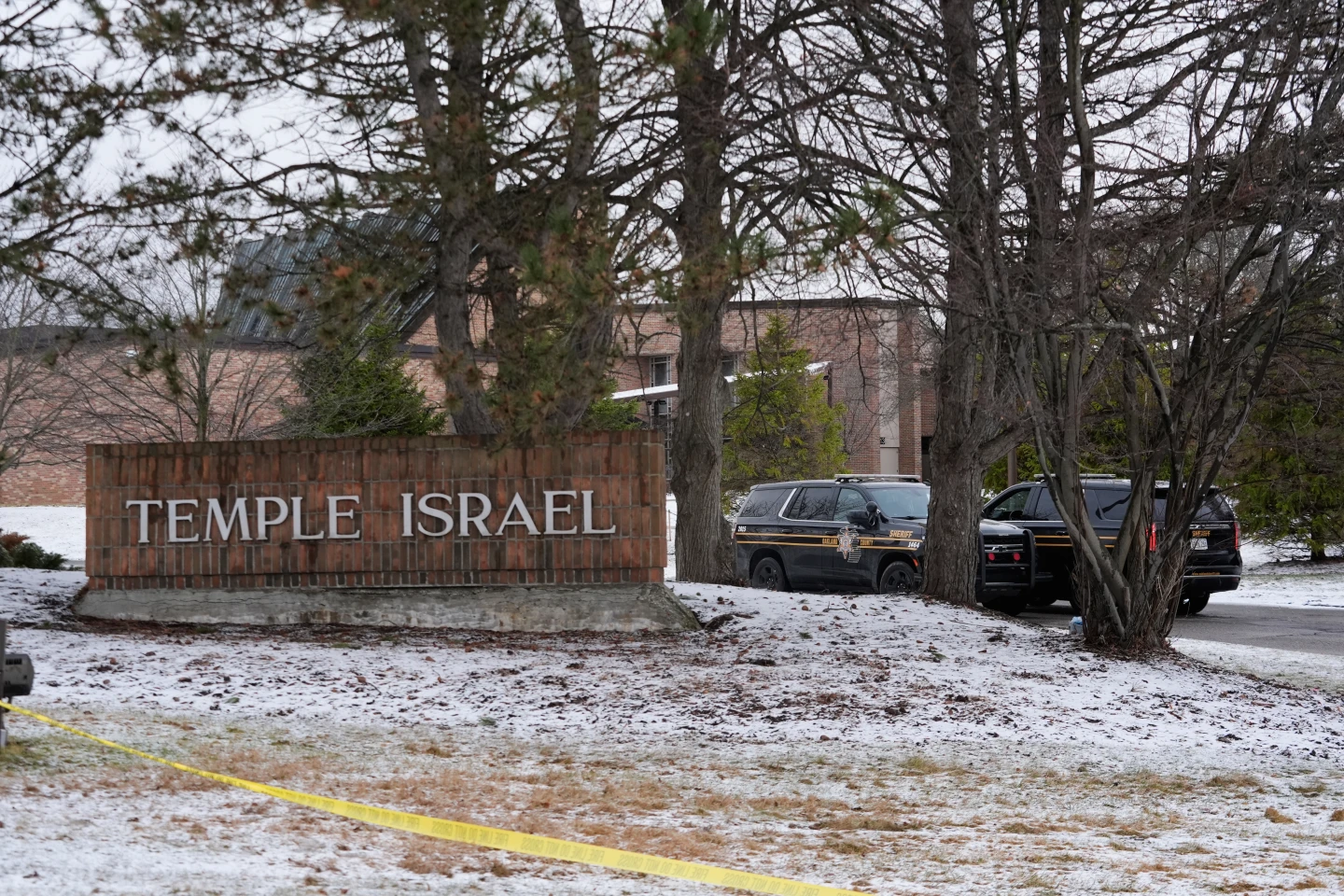
Last week, the Jewish community unified in its condemnation of a violent incident where a man drove a vehicle into a Detroit-area synagogue full of children. The attacker, reportedly affected by the loss of family members during an Israeli airstrike, engaged with a security guard before tragically ending his life. This event illustrates the dangerous intersection between personal grief and political conflicts.
As Rabbi Rick Jacobs from the Union for Reform Judaism stated, “To hold American Jews accountable for the actions of a foreign government is a dangerous double standard.” He emphasized that although criticism of Israel's policies is valid, that does not justify violent acts against Jewish institutions.
Public intellectuals like Peter Beinart echoed these sentiments by asserting that the safety of American Jews should be paramount, and political disagreements should not result in violence.
A nuanced debate within the community
Amidst the turmoil, there is a complex debate within the Jewish community about how to publicly express support for Israel. Some argue that showing pro-Israel signs at synagogues can make congregants less safe in the current climate, while others believe individuals should freely express their beliefs without fear.
Having faced violence in the past, many Jewish leaders are now more cautious about how to navigate their identities in relation to global events. For instance, Jewish author Beth Kissileff recognizes both the interconnectedness of Jewish identities and the unfairness of holding all Jews accountable for Israeli government actions.
This sentiment is echoed by Rabbi Elliot Cosgrove, who highlights how blurred lines between anti-Zionism and antisemitism can fuel violence against the Jewish community. He calls for a distinction between criticism of Israeli policies and anti-Jewish sentiment, advocating for a discourse that allows for dissent without crossing into hate.
The ongoing struggle
As antisemitism continues to rise and discussions about Israel become more polarized, many in the Jewish community worry about safety and the future. The challenges they face are not solely external; internal discussions around identity, belief, and support for Israel are becoming more complicated.
The historical context of Israel as a sanctuary for Jews after years of persecution only adds complexity to these tensions. As the Anti-Defamation League reported, incidents related to Israel have constituted a significant portion of antisemitic acts, marking a concerning trend that intertwines Jewish identity with global politics.
The current state of affairs reminds us that the challenges for Jewish communities are multi-faceted and require a careful, respectful, and united approach as they navigate their identity and beliefs amidst global tensions.