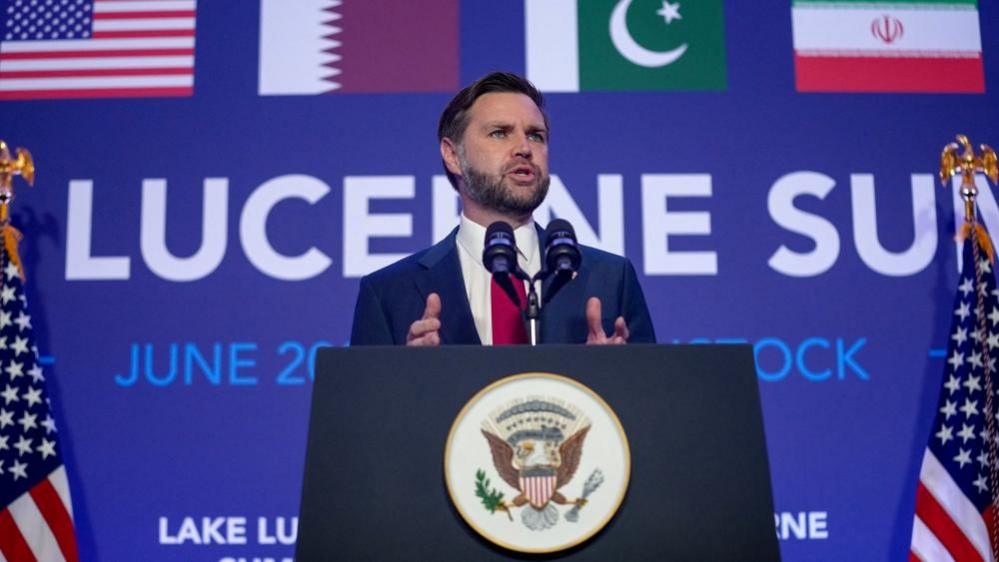
Tuesday began as a frantic day of diplomacy in Washington, with Air Force Two ready to fly Vice President JD Vance to Islamabad for a crucial round of peace talks between the US and Iran.
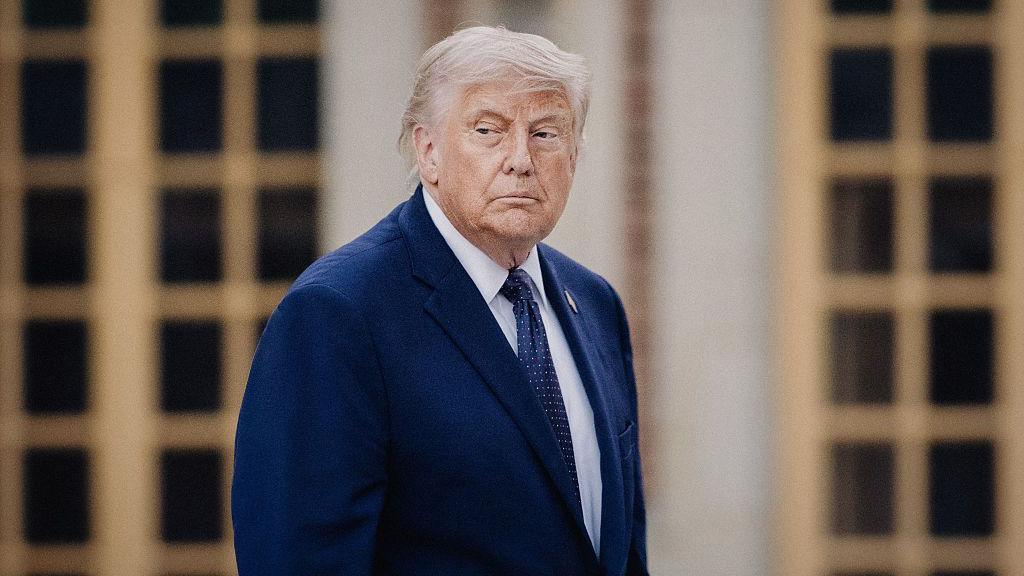
However, several hours later, Air Force Two had not taken off, and the negotiations were postponed. President Donald Trump announced that he would extend the ceasefire with Iran, set to expire on Wednesday evening, to allow the regime more time to create a unified proposal to end the war.
Throughout the day, Trump weighed his options while the world awaited news on whether the two nations were closer to a resolution. This decision marks the second time in recent weeks that Trump has deferred threats of escalation, buying more time as the conflict nears its two-month mark.
Vice President Vance did not officially announce his trip to Islamabad, leaving Washington in suspense. Iran has not committed to attending the talks, complicating the White House's decision over whether to send Vance, despite uncertainty regarding Tehran's willingness to negotiate.
As the day progressed, signs of postponement emerged. Special envoy Steve Witkoff and Trump’s son-in-law Jared Kushner, key members of the US negotiating team, flew back to Washington from Miami instead of heading directly to Islamabad. Shortly after, Vance visited the White House for discussions with Trump and senior advisers.
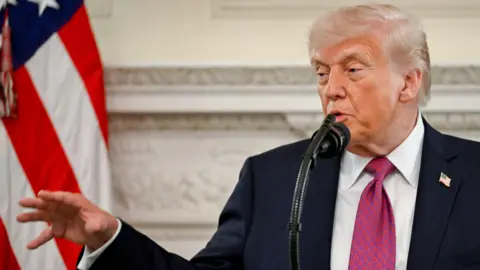
Eventually, Trump announced the ceasefire extension via Truth Social, his preferred platform for updates, stating the decision was made at the request of Pakistan, who is mediating talks between Tehran and Washington.
We have been asked to hold our Attack on the Country of Iran until such time as their leaders and representatives can come up with a unified proposal, Trump stated.
Notably, Trump did not specify how long the ceasefire would last this time, a departure from the previous two-week deadline he set earlier in the month after sending mixed messages about the talks' progress and potential military increases.
There is no clear formula for ending wars, said James Jeffrey, a former US ambassador. Trump is not the first to wield military threats while proposing negotiations.
The extension buys time, but questions linger about how to address the military and economic challenges facing the US amidst demands from Trump's base for clarity on the conflict's resolution.
With the ceasefire extension, discussions between the US and Iran may continue. However, important issues remain unresolved, as Iran has indicated the US blockade of the Strait of Hormuz qualifies as an act of war. Trump’s decision not to immediately restart hostilities does not clarify his plans regarding the blockade or Iran’s nuclear agenda.
As a result, Trump may have temporarily delayed military action, but a swift resolution to the conflict remains out of reach.