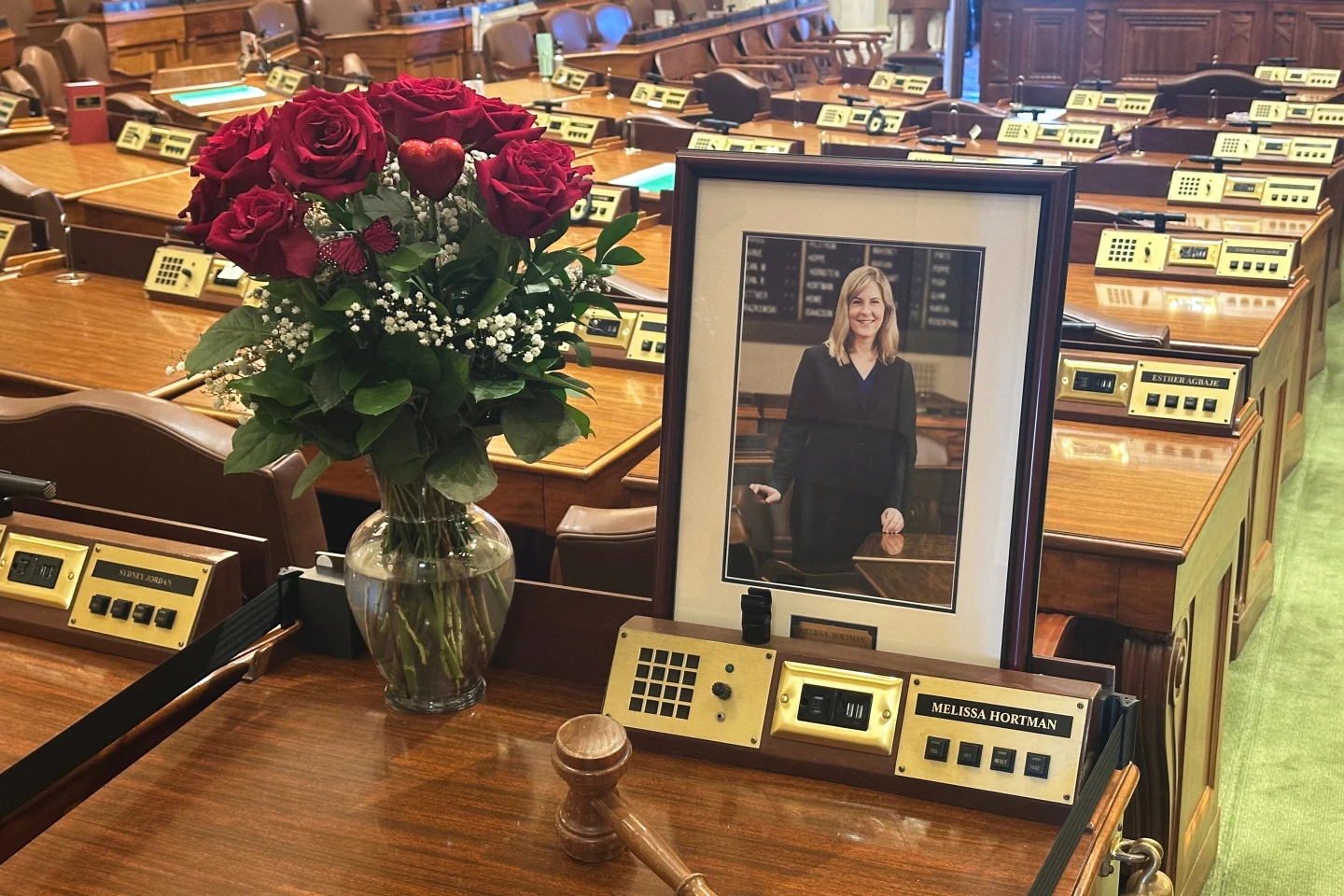
ST. PAUL, Minn. (fluxdaily.news) — Almost a year since the tragic assassination of Minnesota legislative leader Rep. Melissa Hortman, lawmakers across the United States are actively enhancing security protocols in state capitols and community engagements to protect officials.
The wave of violence against politicians has prompted these actions, particularly after the assassination of Hortman and conservative activist Charlie Kirk last June and September, respectively. In Minnesota, security measures have tightened: most doors at the Capitol are now secured and require entry through weapons detectors.
Ensuring the safety of our elected officials is critical to maintaining the integrity of our government, said Minnesota Rep. Julie Green, whose emotional reflection echoes the sentiments of many legislators affected by recent violence.
Growing Fears in Politics
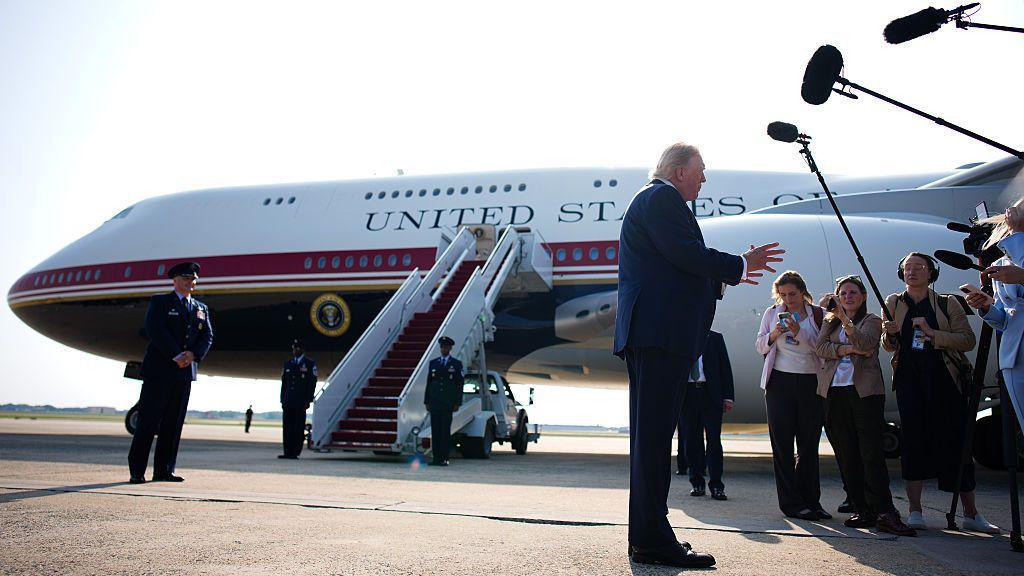
The rise in assaults against political figures in the U.S. includes not only the high-profile killings of Hortman and Kirk but also recent violent events such as an arson attack on Pennsylvania Gov. Josh Shapiro's home and a failed assassination attempt on then-candidate Donald Trump during a rally.
In response, 25 states, including Minnesota, now allow candidates to utilize campaign funds for personal security, a measure driven by the tragic events surrounding Kirk and Hortman. This has facilitated additional legislative efforts, with Alabama, Oregon, Nebraska, and Utah enacting laws this year to promote such funding.
Visible Signs of Violence Concerns
Many states have responded to rising fears with new technology; Alaska, for example, implemented metal detectors last year due to escalating threats against lawmakers. However, some jurisdictions resist these changes; Wisconsin Assembly Speaker Robin Vos has opted not to enforce metal detectors in fear of creating an overly fortified environment.
Moreover, Minnesota lawmakers are proposing to establish a special unit within the State Patrol to safeguard legislators and officials. This initiative follows tragic events where several legislators, including Sen. John Hoffman, survived violent attacks.
As lawmakers continue to grapple with these complex issues, there is a growing urgency to ensure their safety while maintaining public accessibility to the halls of power. Numerous actions across states underscore a collective dedication to the security of political figures and the preservation of democracy.