Leadership in Flux: Navigating Power Dynamics in Iran's Crisis
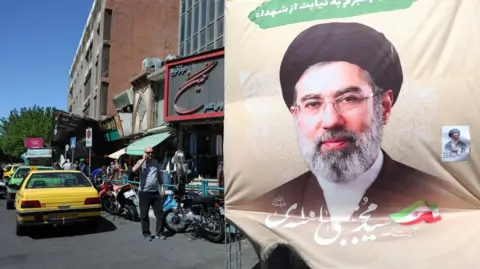
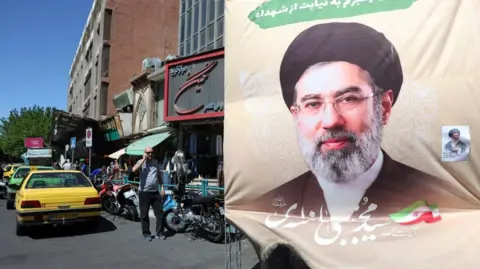
As the conflict escalates between Iran, the US, and Israel, a key question arises: \u201cWho is really in charge?\u201d While Mojtaba Khamenei holds the title of supreme leader, the reality of his power is far less clear.
Following the death of his father, Ali Khamenei, on the first day of the war, Mojtaba has been thrust into a role central to Iran's military and diplomatic strategy. Officially, he has the power to make critical decisions regarding war and state direction. However, his absence from the public eye since his ascendance raises concerns about the coherence and actual exercise of his authority.
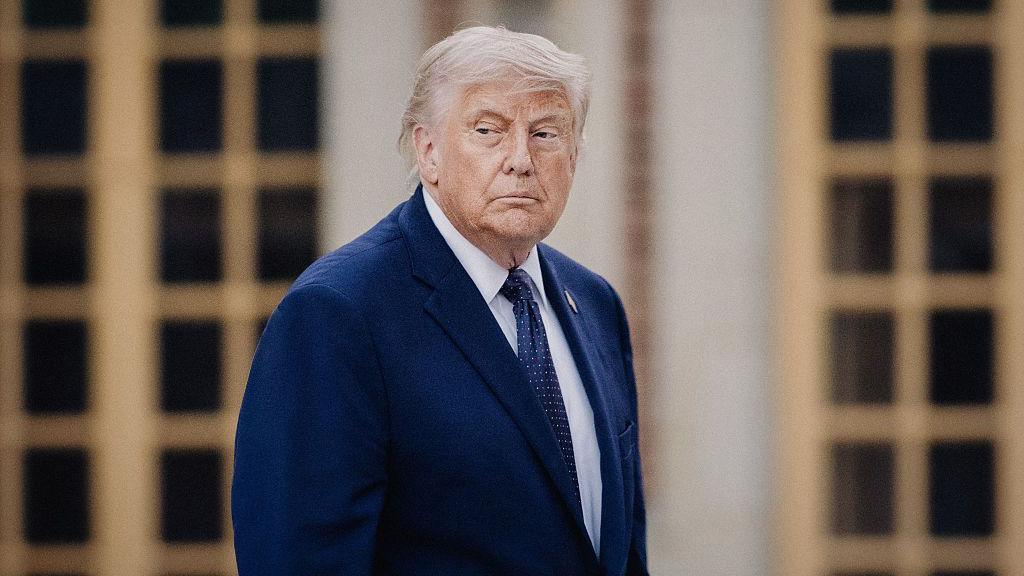
Donald Trump described Iran's leadership as \u201cfractured,\u201d suggesting that the US awaits a unified Iranian proposal. Meanwhile, Iranian officials have attempted to project unity, claiming to the public that differences between hardline and moderate factions have ceased to exist.
The disconnect between declared authority and practical control is alarming. Without visible leadership and decisive actions from Mojtaba, the Islamic Republic faces a power vacuum, leading to varied interpretations of his capabilities amid a precarious wartime atmosphere.
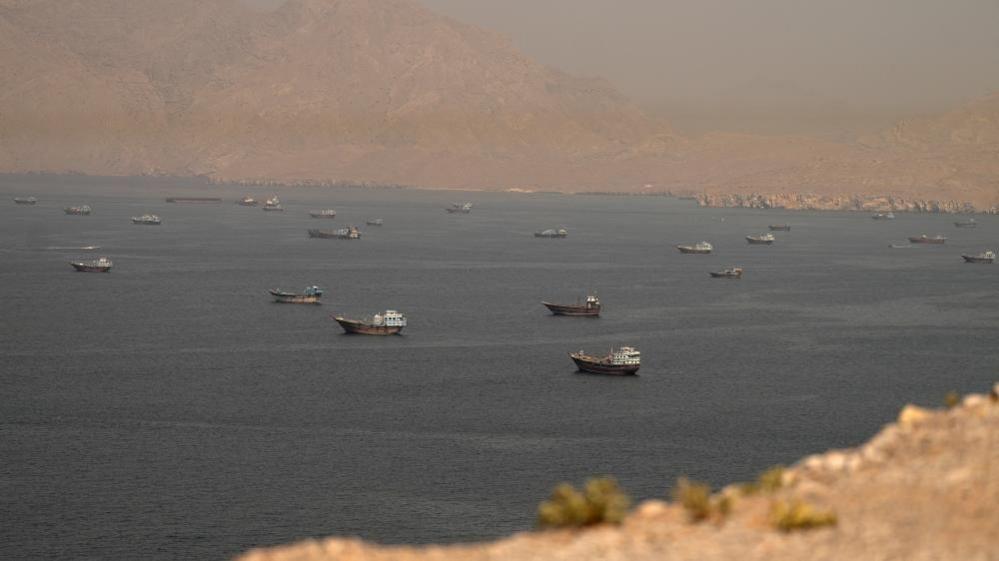
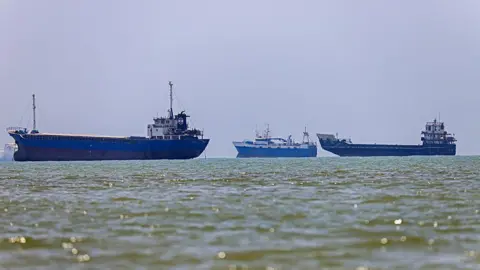
Furthermore, Iranian diplomacy appears stymied, with Key figures like Foreign Minister Abbas Araghchi not directing strategies but rather carrying operational tasks. This ambiguity is highlighted by conflicts over strategic communication, particularly regarding the status of key economic and military corridors like the Strait of Hormuz, which remains pivotal to Iran's leverage in the region.
Adding to the complexity is the dynamic role of the Iranian Parliament Speaker, Mohammad-Bagher Ghalibaf, who has stepped forward as a prominent figure in negotiations, albeit without clear support from the new supreme leader. The broader distrust within conservative factions complicates potential diplomatic approaches to external conflicts.
In conclusion, while Iran maintains its institutional integrity, the lack of coherent leadership raises questions about its ability to respond strategically to external threats, indicating a system that, though functional, struggles to articulate a clear direction under stress.