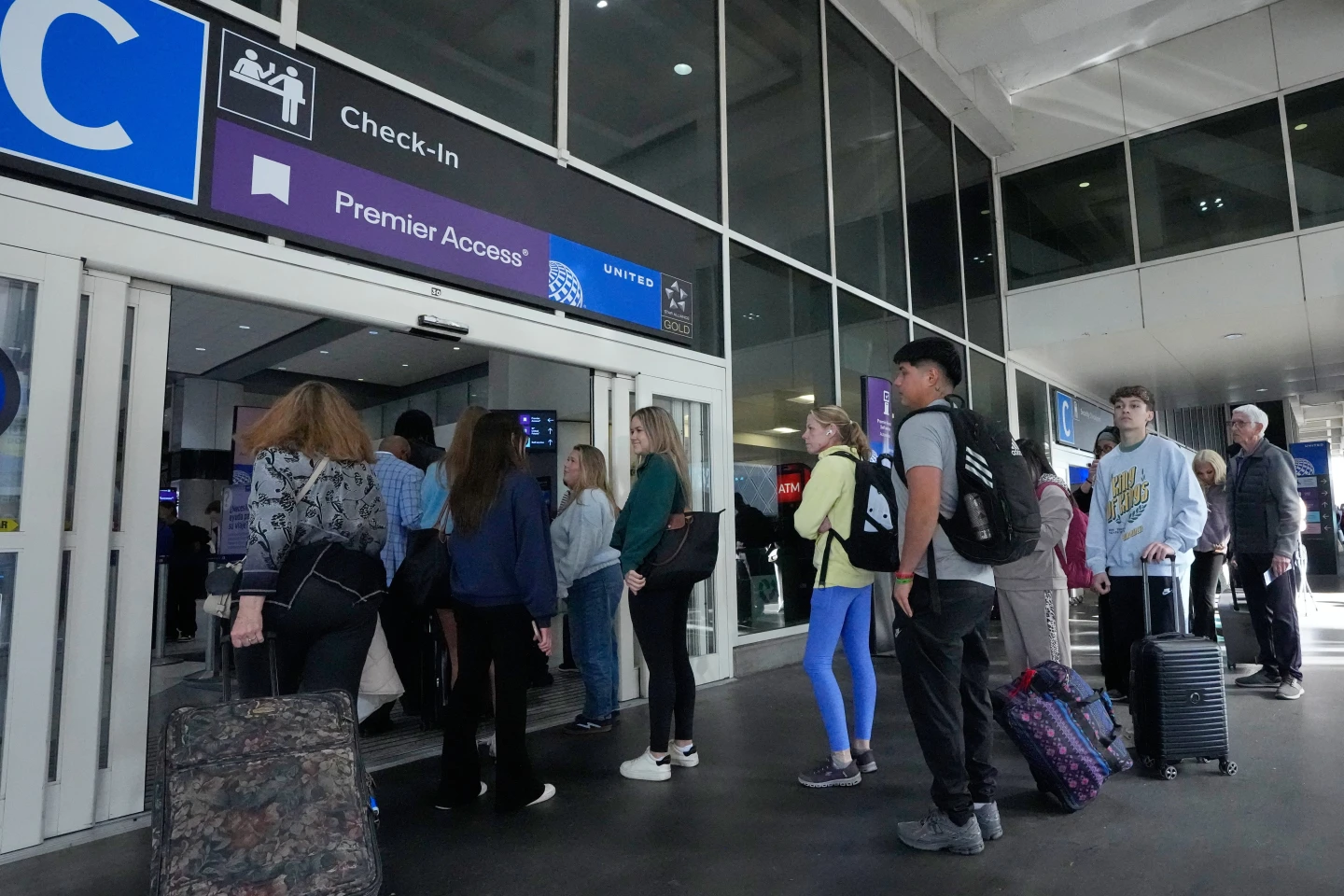
Airlines worldwide are facing challenges as the ongoing conflict in the Middle East leads to tighter jet fuel supplies and increased prices, prompting many to cancel flights. This situation is causing significant disruptions in travel plans and confusion among passengers regarding their rights and protections.
As summer travel demand escalates, with events like the World Cup approaching, these cancellations intensify the challenges for travelers. Eric Napoli, chief legal officer at AirHelp, highlighted the difficulty of navigating the varying passenger protections that depend on the flight's origin and destination.
Currently, cancellations due to fuel shortages are often made in advance rather than last minute, providing travelers more time to adjust their plans. Lufthansa Group, for instance, has announced cuts of 20,000 short-haul flights through October.
Flight Cancelations: Steps to Follow
If your flight is canceled, check your airline's app or website for rebooking options immediately. For U.S. carriers, this is usually the quickest way to secure a new seat. Non-U.S. carriers may require contacting customer service directly or visiting the airport desk.
Refunds and Passenger Rights
Travelers are generally entitled to a refund or rebooking on the next available flight, depending on local laws. In the U.S., for example, if a flight is canceled, the airline must offer a full refund. However, regulations vary worldwide, with Europe offering stronger protections that include compensation under certain circumstances.
To prepare for possible disruptions, sign up for flight alerts, book directly with airlines, and keep all documentation related to your flight—boarding passes, receipts, and communication with the airline are critical for claims.
Final Tips
To avoid headaches, book flights earlier in the day for more options, consider nearby airports for alternatives, and maintain a respectful demeanor when dealing with airline agents, as kindness can encourage them to provide better assistance. As the airline industry copes with the fuel supply crisis, being informed and prepared is key to navigating these turbulent times.