Delhi’s Heat: Surface Temperatures Stretch Beyond Forecasts
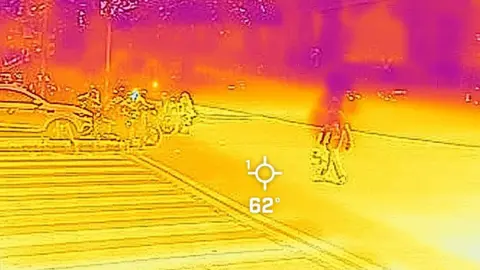
For several weeks the city’s air temperature has hovered over 40C, a figure that many residents find uncomfortably higher. But recent thermal‑camera readings from Greenpeace India point to how much hotter the streets can feel.
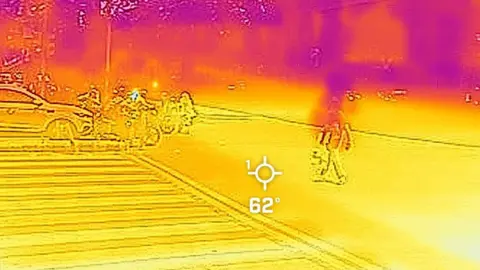
Official meteorological data registers a maximum of 43.5C, while the camera noted temperatures up to 64C on structures exposed to full sunlight. The discrepancy arises because weather stations measure the air, whereas thermographic sensors log the heat of surfaces such as asphalt, metal and concrete.
A roadside crossing at the IIT flyover showed dramatic swings: 42C in shaded under‑passes rose to 64C under direct sun. Stand‑alone walking flats recorded a similar 58C, demonstrating how quickly a surface can heat as the sun moves. Even a 10‑meter strip outside a vendor’s stall reached 57C, the reading falling to 39.8C within a few feet of tree shade.
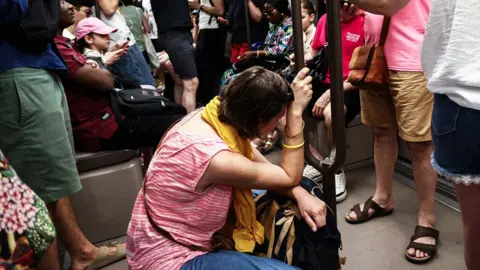
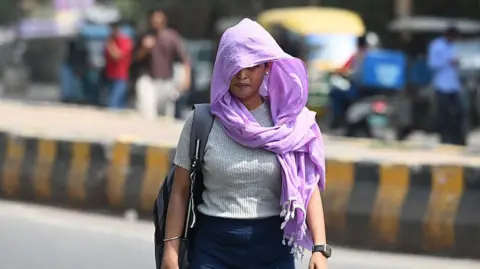
Health specialists explain that elevated air temperatures above 40C can raise core body temperatures, producing heat exhaustion, headaches and fatigue. When prolonged exposure slips past 45C, the risk of organ failure and even death grows, urging precautions such as staying hydrated and wearing light clothing.
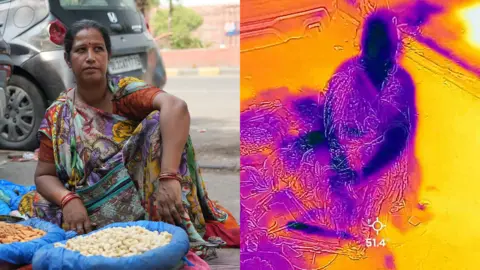
Street sellers across Old Delhi, Chandni Chowk and Seelampur face the same struggle. Villides and small traders often accept the heat because their livelihoods depend on outdoor sales. The pattern of heat spill‑over further underscores the urban heat‑island effect: concrete, traffic and dense brickwork absorb solar radiation, adding substantial heat stress to nearby human bodies.
Local residents report that no shade or breeze mitigates the heat, and indoor temperatures mirror outdoor readings. A two‑room household in Seelampur registers the same 40C as outside, with limited ventilation meaning the heat circulates constantly, entraining occupants in a near‑oven environment.
Understanding the discrepancy between air and surface temperatures can help planners design better cooling strategies, such as increasing tree canopy, installing shading devices and heat‑reflective building materials. For today’s Delhi residents, moving out of direct sun even a few paces can bring instant relief, but taking a few precautions remains essential when the sun remains persistent.