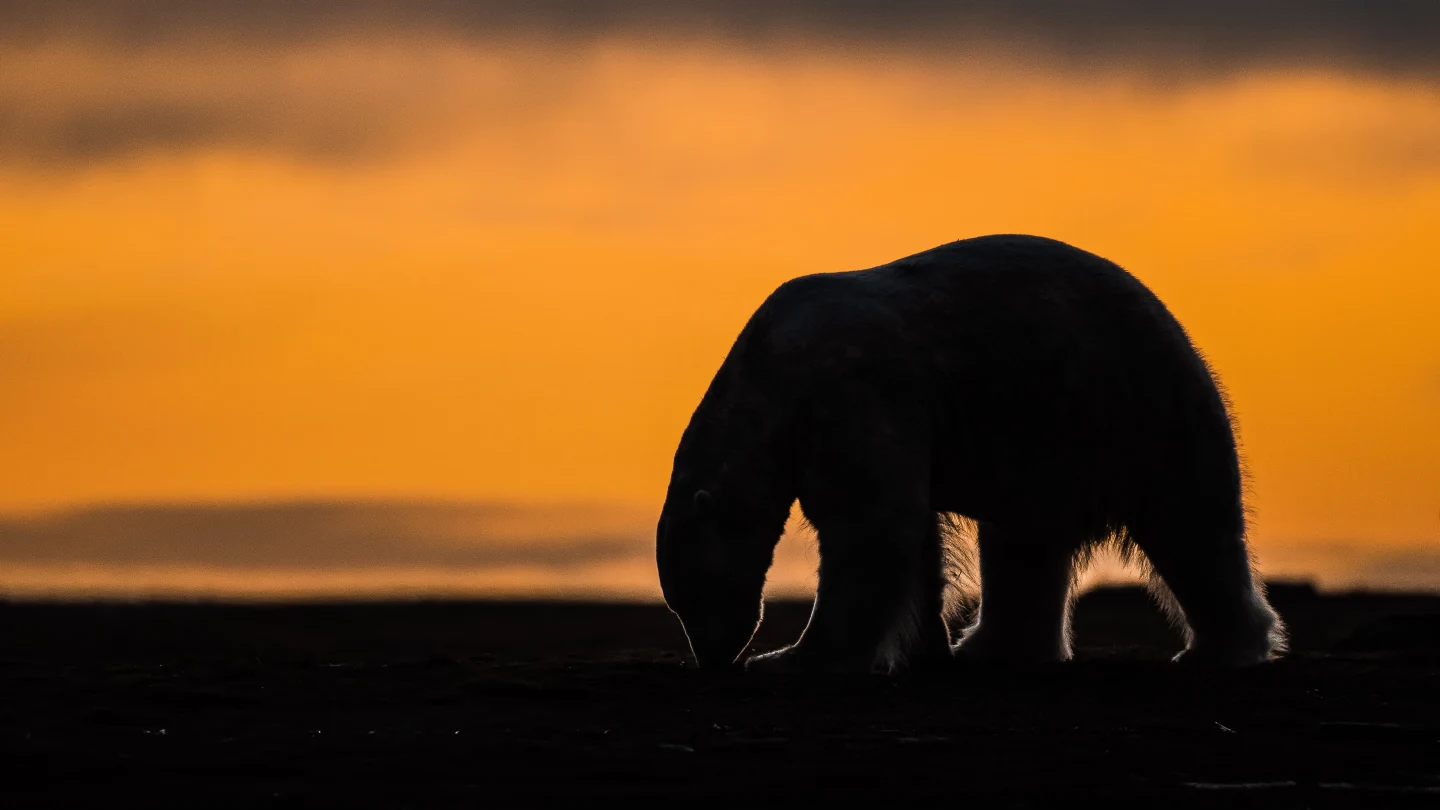
ANCHORAGE, Alaska (AP) — Late every summer, hulking white bears gather outside the tiny Alaska Native village of Kaktovik to feast on whale carcasses and await the freezing of the sea. Once a hotspot for 'last chance tourism', Kaktovik attracted over a thousand visitors annually prior to the COVID-19 pandemic and federal restrictions on boat tours.
Now, village leaders are looking to revive this lucrative tourism opportunity, stressing the need for stringent guidelines to protect both their way of life and the bears. Charles Lampe, president of the Kaktovik Inupiat Corp, emphasized the importance of applying lessons learnt to prevent past issues from recurring.
Historically, the community experienced overwhelming visitation, which disrupted daily life and strained local resources. As tourism peaked post-2008, regulations were imposed, unintentionally sidelining local operators in favor of larger entities from outside the community. This led to unsustainable pressure on both locals and the bears, forcing authorities to act.
Renewing Polar Bear Tourism
With the pandemic putting a halt to tourism, recent discussions with the U.S. Fish and Wildlife Service have opened doors to cautiously reintroducing boat tours. Plans may include limits on how long vessels can remain near the bears to avoid habituation issues. Awareness is heightened since a recent polar bear attack led to fatalities, reinforcing the need for responsible tourism.
Respectful Visits to the Arctic
Leaders envision changing the nature of visits to involve educational experiences that foster respect for local traditions, such as the subsistence whaling season. As the community considers its strategy for re-engaging tourists, they hope to market Kaktovik as a holistic destination to experience rich Indigenous culture while protecting their delicate ecosystem.