Officials in Nepal have acknowledged the critical early flood warning system meant to protect thousands in the Everest region is no longer operational due to neglect. Villagers revealed to the BBC that no inspections have been performed since the UN-supported initiative was launched, particularly following the draining of the dangerous Imja glacial lake in 2016.
Since then, essential components such as sirens have deteriorated, with reports of some batteries being stolen. Moreover, the satellite data crucial for monitoring the water levels of Imja lake has been inconsistent, according to the Department of Hydrology and Meteorology (DHM).
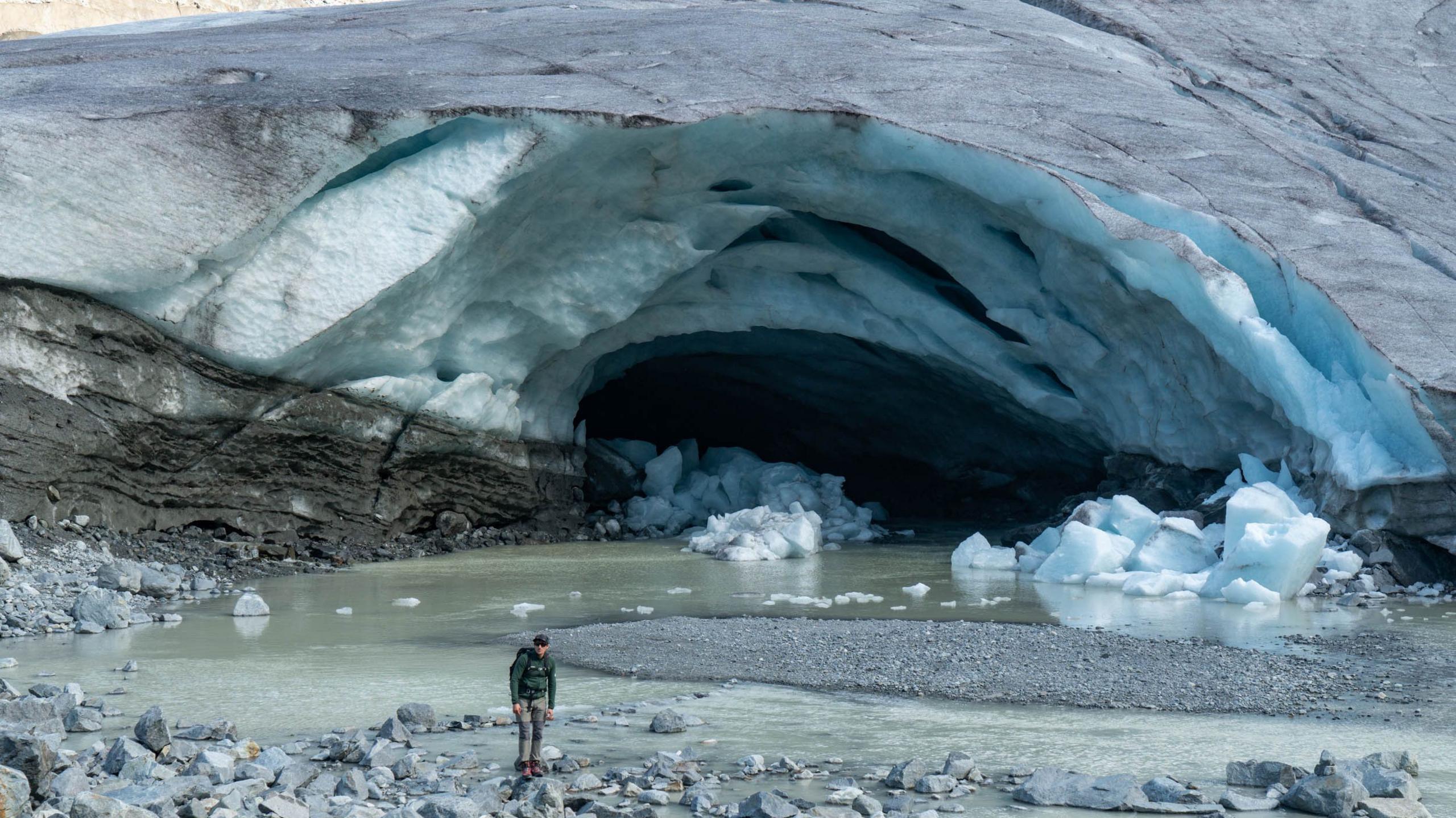
The glacial lake, located at an altitude of over 5,000 meters, has not overflowed since its last drainage, although its previous depth of nearly 150 meters raised alarms for potential flooding.
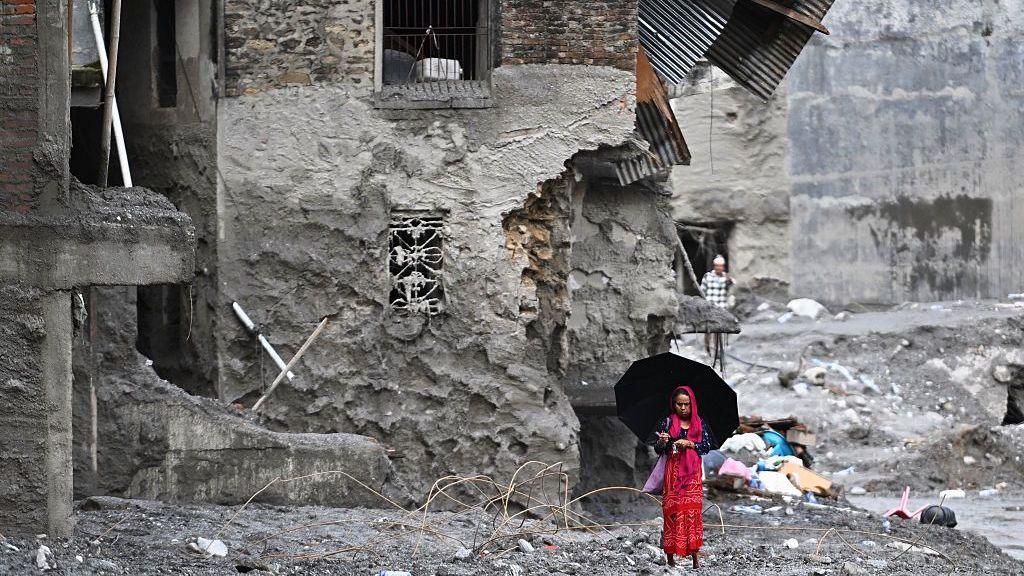
Experts warn that ongoing climate change is causing Himalayan glacial lakes to grow rapidly, putting downstream communities at severe risk. Already, the Everest region has experienced five glacial lake floods in the past fifty years, leaving residents like Ang Nuru Sherpa, a local community leader, skeptical about the effectiveness of the dilapidated warning system for future alerts.
The government's inaction on maintaining the early warning system comes as global temperatures rise, leading to more unstable geologic conditions that can catalyze floods and other disasters. The local Sherpa community feels ignored despite promises of annual maintenance checks, facing their fears without adequate support.
Local leaders emphasize that not only are surrounding villages at risk, but the influx of tourists during peak seasons raises concerns for the safety of over 60,000 visitors annually. Calls for repairs and sustainable management of warning systems continue to go unanswered, leaving residents to live under the looming threat of disaster.
Even with a new $36 million grant to develop similar systems in other locations, residents worry that lessons from the inadequacies at Imja Lake have yet to be adequately learned and applied in future projects, leaving them to grapple with a fear of imminent danger without reassurance.