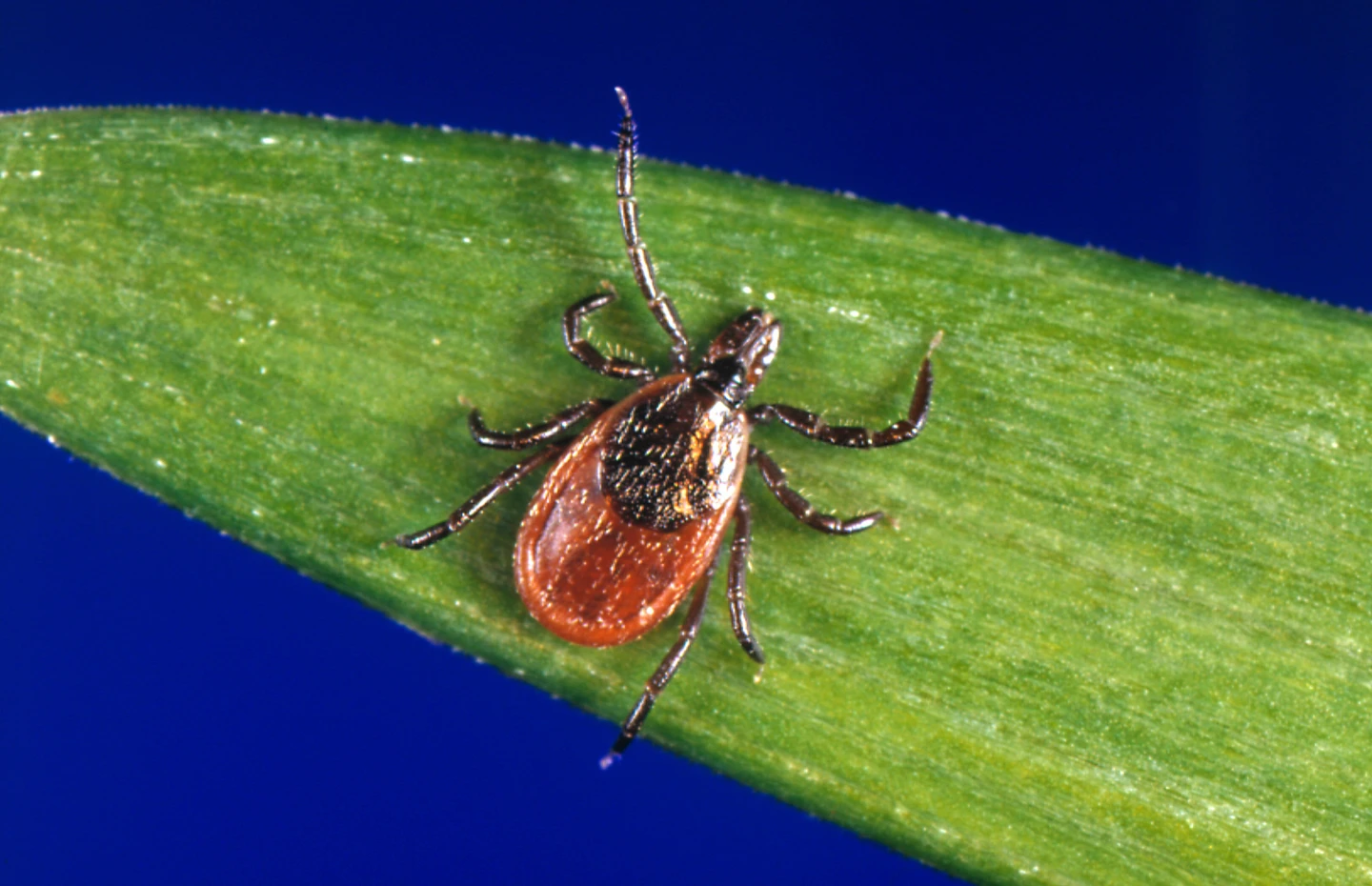
NEW YORK — Tick season is hitting the ground running as reports of bites soar across the nation, causing rising alarm among healthcare professionals.
Healthcare experts, including Dr. Alina Filozov, an infectious disease specialist, warn that with increased opportunities for human-tick interactions, the likelihood of tick-borne infections is also set to rise. The early indications suggest that we could be in for a troubling year, she stated.
The Centers for Disease Control and Prevention (CDC) has ramped up its public awareness efforts, suggesting immediate action to prevent tick bites. Typically, we see tick bites peak in May, but our data indicates that the time to act is now, noted Alison Hinckley, a CDC Lyme disease expert.
Emergency Room Visits on the Rise
Current statistics indicate that emergency room visits for tick bites are at their highest levels for this time of year since 2017, with noticeable patterns across various regions, apart from the southern central U.S.
The CDC’s tracking system, which collects data from around 85% of U.S. emergency departments, reflects this alarming trend but does not account for unreported cases that don’t seek hospital care.
The Dangers of Tick-Borne Diseases
These tiny arachnids are notorious for spreading serious diseases, including Lyme disease, Rocky Mountain spotted fever, and even alpha-gal syndrome, which can lead to a red meat allergy. The CDC estimates that around 476,000 people are treated for Lyme disease annually in the U.S.
Startling Statistics from Connecticut
In Connecticut, a prominent area for tick-borne diseases, locals have already submitted over 30 ticks a day for testing, with 40% testing positive for Lyme disease—Ian Linske, a wildlife biologist, predicts the issue will worsen with expanding tick populations.
Prevention is Key
To prevent tick bites, experts recommend avoiding areas with dense vegetation while walking, wearing light-colored clothing, and utilizing EPA-approved insect repellents. Immediate removal of any attached ticks is advised, and medical attention is only necessary if symptoms appear after a bite.