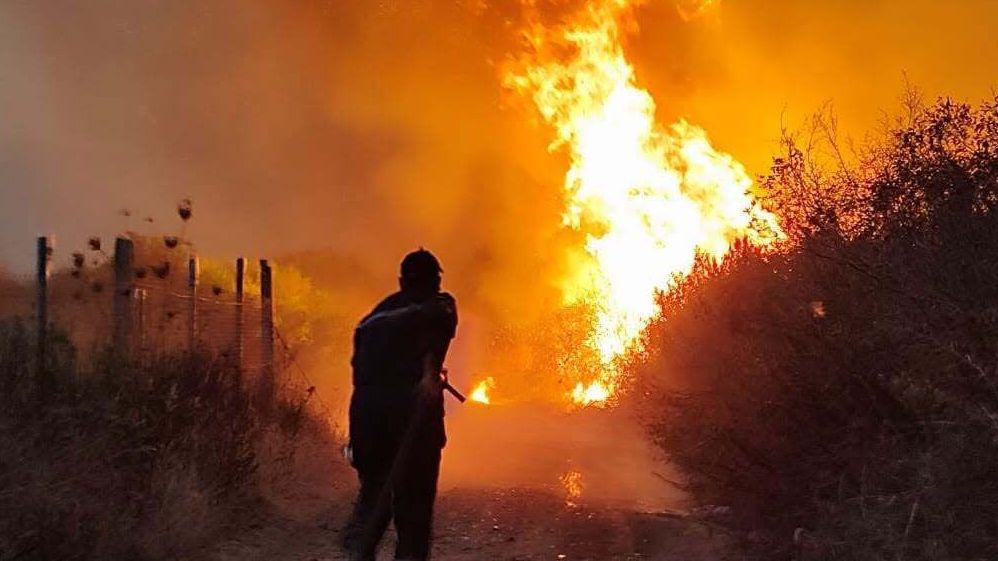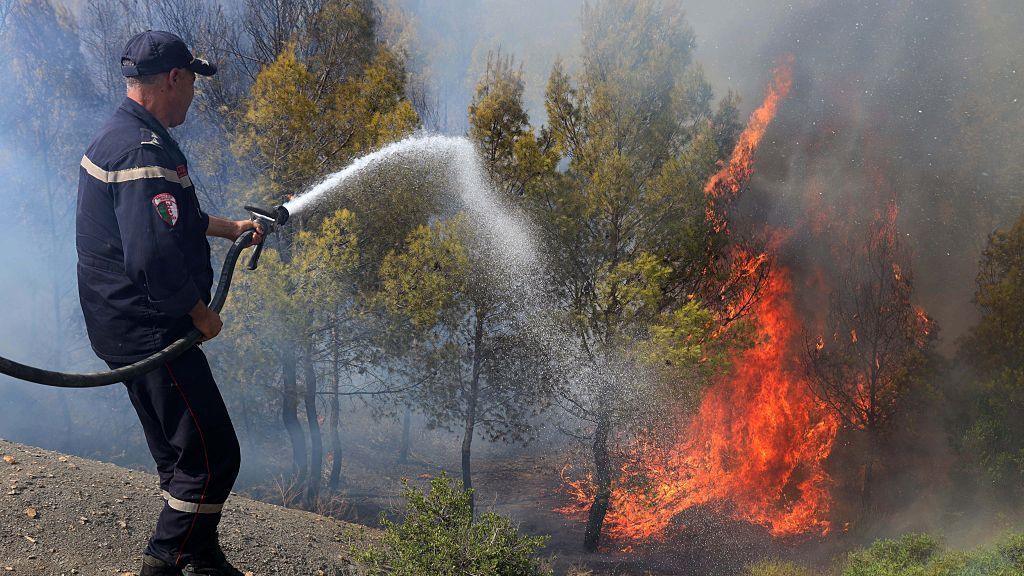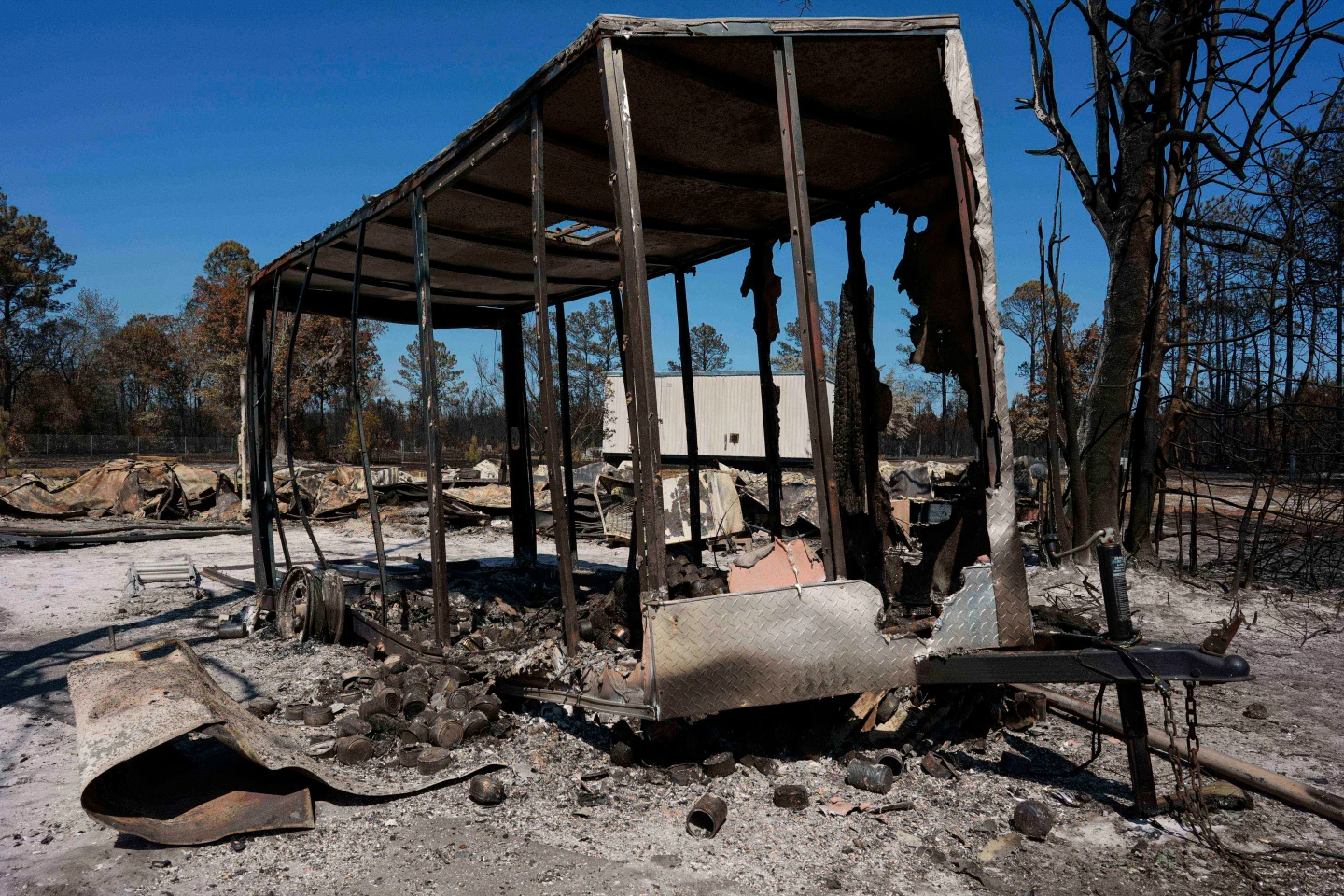
Wildfires, typically viewed as a major challenge for Western North America, are now wreaking havoc in the Eastern U.S. This week, a wildfire in Georgia has destroyed over 50 homes, prompting alarm among fire scientists.
Factors fueling the blaze include climate change, record drought conditions, and an alarming amount of dead trees resulting from Hurricane Helene. The National Interagency Fire Center reports that more than 2,800 square miles of land across the U.S. has burned this year - a staggering 88% increase over the last decade's average for this period.
“The warmer we get, the more fire we see,” Mike Flannigan, a fire scientist, warns. He emphasizes that rising temperatures lead to increased fire seasons and drier fuel conditions, raising the potential for intense fires in previously less affected areas.
A recent study from the University of Florida reveals that from 1984 to 2020, the size and frequency of large fires in the Southeast have risen significantly. Historically, Eastern fires have been smaller than those in the West, but researchers are now observing a troubling shift in dynamics.
To better understand and tackle these challenges, scientists have established new networks focused on Eastern wildfires, recognizing that unique regional issues must be addressed proactively.
Crucially, the wildland-urban interface, where dense populations meet forested areas, complicates fire management efforts. Forty-five percent of significant wildfires in the East occur at this interface, threatening more communities.
Recent assessments following Hurricane Helene identify extensive damage across Georgia, potentially leading to a heightened risk for future fires. With 13,954 square miles of forest affected and millions of trees downed, experts describe it as a 'ticking time bomb.'
The current environmental conditions are further exacerbated by low humidity, making ignitions more likely and fire control more difficult. As temperatures continue to rise due to climate change, the situation is becoming increasingly dire.