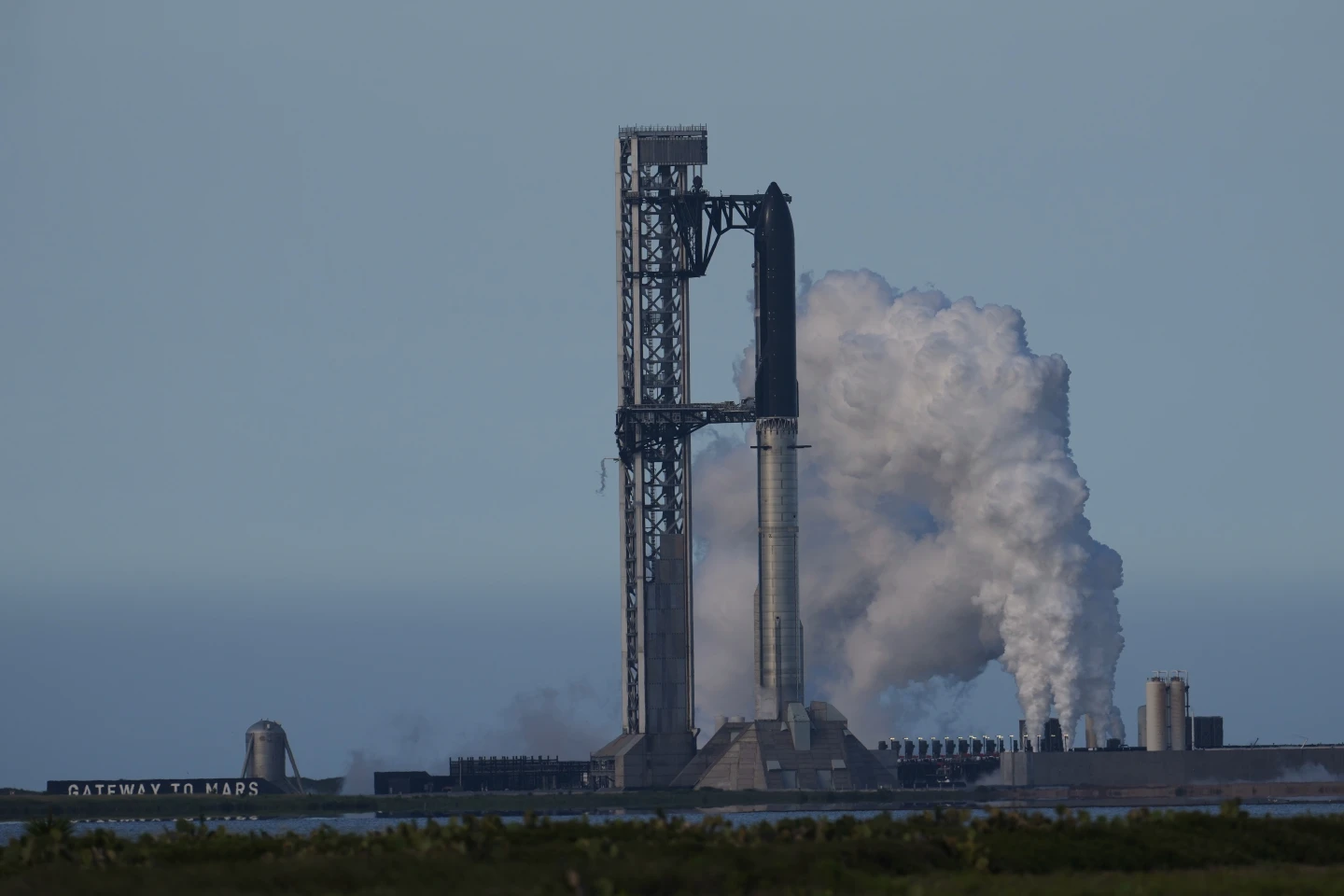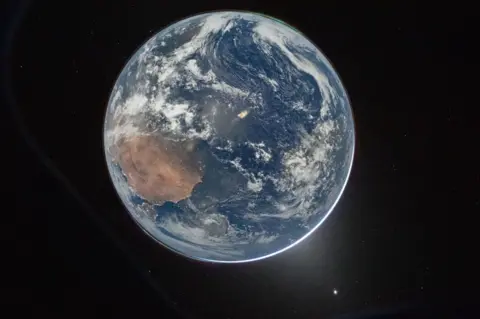
Nasa is releasing a steady stream of stunning pictures of the Moon and Earth taken by the astronauts on its Artemis II Moon mission.
Attracting millions of likes on social media, the images show the two bodies from unusual angles in glorious high definition.
There is no denying the drama: four astronauts are embarking on a mission that will take them further from Earth than any human has ventured since 1972.
But is there unique scientific value in these images, or are these simply the equivalent of holiday photos?
Nasa wants the American public behind them to support the mission. They are live-streaming the 10-day journey, and the four astronauts are doing regular video updates, describing their progress in triumphant tones.
The crew have been so excited to watch the world and Moon go by, Nasa has said, that the window inside the Orion spacecraft got dirty and the astronauts were sent instructions on how to clean it.
This is the first time that digital cameras have been taken this far into space.
Orion has 32 cameras and devices - 15 mounted onto the spacecraft and 17 handheld by the crew.
According to Nasa, the astronauts are using standard 10-year-old cameras, including the Nikon D5, as well as GoPros and smartphones.
Nasa's photostream on Flickr even tells you the device used to take each of the published photos.
On Friday we saw the first results of their intense observations.
Hello, World was taken by Commander Reid Wiseman when the mission was about equidistant from the Moon and Earth - 142,000 miles (228,500 km) from Earth and 132,000 miles from the Moon.
It shows two auroras as the Earth eclipses the Sun, and the planet Venus glowing at the bottom of the image.
Our planet appears upside down, with the Sahara desert and the Iberian peninsula visible to the left and the eastern portion of South America to the right.
It's a lovely picture, but nothing new when it comes to science.
In fact, Nasa has a satellite with its Deep Space Climate Observatory with a camera called Earth Polychromatic Imaging Camera (Epic). Launched in 2015, it frequently takes pictures of Earth from close to a million miles away - much further than Artemis II.
Nasa is emphasising the significance of human eyes rather than robotic explorers.
Human eyes and brains are highly sensitive to subtle changes in colour, texture, and other surface characteristics, it says, which could uncover new discoveries on the Moon.
Experts have pointed out that the images coming back from Artemis are artistic, not scientific, as robotic missions have already mapped the Moon’s far side.
In upcoming years, the space race with countries like China will also heighten the stakes for NASA’s explorations.
This mission would serve as a significant moment for NASA to establish its dominance in the current space exploration landscape, especially in light of increased competition from private entities.
As we await further insights, it's clear the astronauts' journey offers breathtaking views worth celebrating.