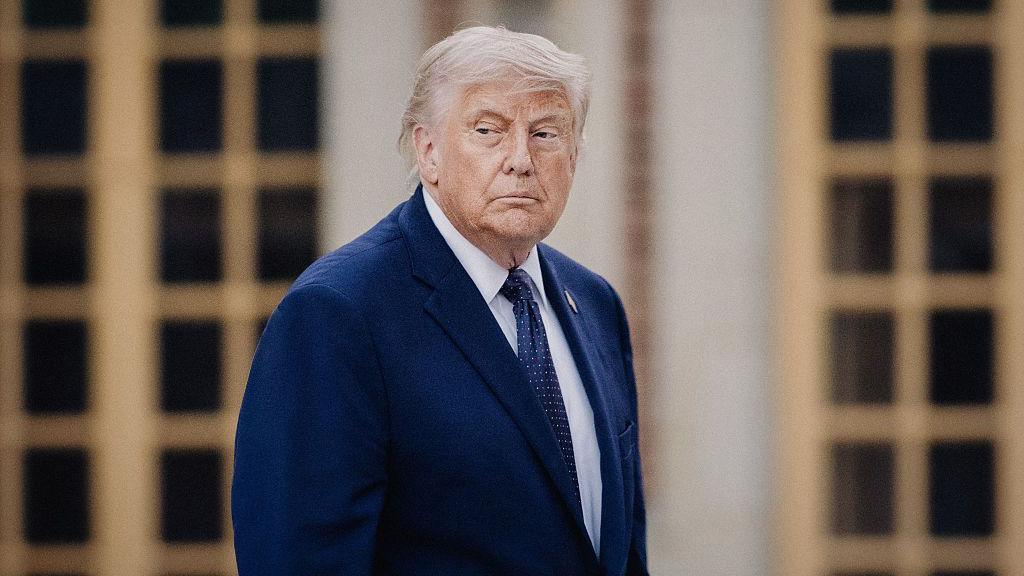
When Donald Trump strode on to a stage at a campaign rally in Indiana in 2016, he made one thing clear: China was America's chief economic antagonist.
We can't continue to allow China to rape our country, he told a crowd in Fort Wayne. We have the cards. Don't forget it. The anti-China rhetoric continued through his rallies, 2024 campaign, and into his second term.
After returning to the White House from a recent trip to Beijing, Trump was flanked by allies known for their tough stance on China, such as Secretary of State Marco Rubio and Vice-President JD Vance, who united in accusing Beijing of exploiting the United States.
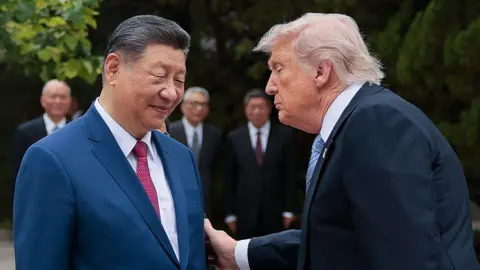
Following this trip, tariffs on Chinese goods had sharply increased, turning into a trade war. Yet, during his visit, Trump adopted a markedly softer tone towards China, calling it an honor to be friends with Xi Jinping and celebrating purported fantastic trade deals.\
Despite these convivial vows, the realities of US-China relations remain fraught, particularly around issues like Taiwan, which Trump mentioned only vaguely during his visit. Critics, including former Trump strategist Steve Bannon, expressed dismay at Xi's threat regarding Taiwan, signaling that the trip had not assuaged concerns within the MAGA movement.
Trump’s shift appears to reflect a broader acknowledgment that prior aggressive tactics have not yielded substantial progress on key issues such as market access and intellectual property rights, leaving many in his base questioning the administration’s new diplomatic posture.