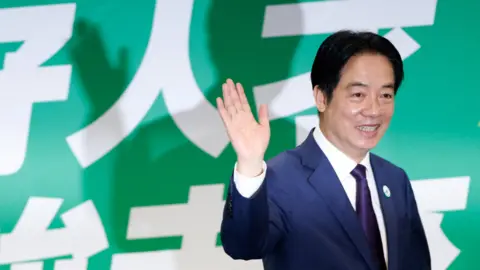
Taiwan has insisted it is a sovereign, independent nation, following US President Donald Trump’s caution about a formal declaration of independence from China. Trump's comments were made after a two-day summit in Beijing, where he stated he had made 'no commitment either way' regarding the self-governing island, which China claims as part of its territory.
During discussions with President Xi Jinping, Trump indicated he would soon decide on an $11 billion arms package for Taiwan. The US is legally bound to assist Taiwan in self-defense but must balance that commitment with its diplomatic relationship with China.
Taiwanese President Lai Ching-te asserts that Taiwan does not need to declare formal independence, as it already views itself as a sovereign nation. Presidential spokesperson Karen Kuo affirmed that Taiwan is a 'sovereign, independent democratic country,' while also emphasizing a commitment to maintaining the status quo with China.
This stance signifies Taiwan's complex positioning amid rising tensions in the Taiwan Strait, as many Taiwanese support maintaining their current status rather than pursuing outright independence.
Washington’s established position does not support Taiwanese independence, stressing continued ties with Beijing and a recognition of 'one China.' Trump's visit to China involves careful diplomacy, as he seeks to calm tensions regarding Taiwan's future, voicing a desire for peaceful relations between the nations.