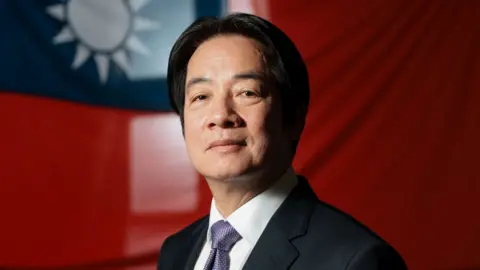
Taiwan will not provoke any conflict but will also not give up its sovereignty, said its president Lai Ching-te after a high-stakes summit between Donald Trump and Xi Jinping where they discussed the issue of Taiwan's independence.
According to Chinese state media, Xi had told Trump that Taiwan, a self-governed island claimed by Beijing, was the most important issue in bilateral ties and mishandling it could lead to conflict.
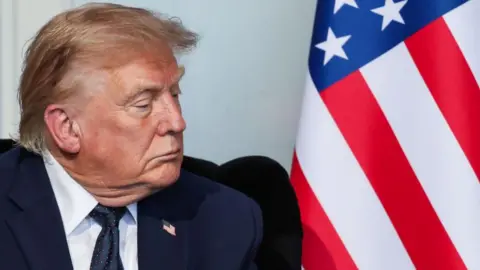
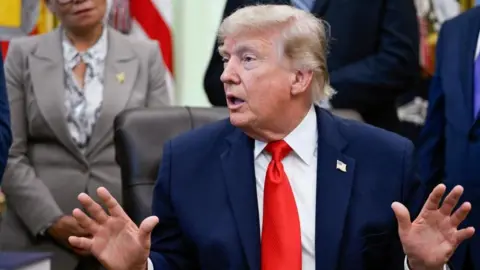
After his visit to Beijing, Trump issued a warning to Taiwan, telling Fox News: I'm not looking to have somebody go independent.
The US is a longstanding ally of Taiwan and is bound by law to provide the island with the means to defend itself.
During his interview, Trump emphasized that US policy on Taiwan had not changed, while making it clear he did not seek conflict with Beijing.
Trump also mentioned that Xi had expressed strong feelings about Taiwan but that he had made no commitment either way.
Under Lai and his predecessor Tsai Ing-wen, the Taiwanese government has for years maintained that there is no need to formally declare independence because it already considers Taiwan as a sovereign nation.
Lai reiterated this stance in his Facebook post, which was his first direct response to the summit, stating that there is no 'Taiwan independence' issue. He affirmed that Taiwan, the Republic of China, is a sovereign and independent democratic country, stressing that the future of Taiwan should reflect the will of its people.
While most Taiwanese view themselves as a sovereign nation, many prefer to maintain the status quo in relations with China, avoiding both unification and a formal declaration of independence.
Beijing has expressed its discontent with Lai, labeling him a troublemaker and hindering cross-strait peace efforts.
Lai emphasized, Taiwan will not provoke, will not escalate conflict, but will not under pressure give up national sovereignty and dignity, as well as the democratic and free way of life.
He declared that Taiwan stands as a defender of the cross-strait status quo and is open to dialogue with China, provided it occurs with respect and equality, rejecting any attempts at coercion under the guise of unification.
Previously, Taiwan's presidential spokesperson affirmed its status as a sovereign state and underscored a commitment to maintaining peace.
Beijing has stressed its intention for peaceful reunification with Taiwan but continues to threaten the use of force if necessary.
The US has a long history of arms sales to Taiwan, which have been essential for its defense. Recently, the Trump administration approved a substantial arms package meant to strengthen Taiwan's military capabilities.
Trump, upon return from China, mentioned a possible $14bn arms deal with Taiwan, indicating he would decide its execution, stating discussions were elaborate between him and Xi.
Since 1982, the US has asserted it would not consult Beijing regarding arms transactions with Taiwan, although Trump questioned this commitment during his visit.
Lai expressed gratitude toward Trump for his support in maintaining peace in the Taiwan Strait and highlighted the critical nature of sustaining arms sales and security cooperation amidst increasing Chinese military pressure.
He articulated that China's unwillingness to dismiss the option of force for annexation underscores the importance of America's ongoing support in ensuring regional stability.