US and Lebanon Shelter Wanted Syrian General Behind Chemical Weapons Program
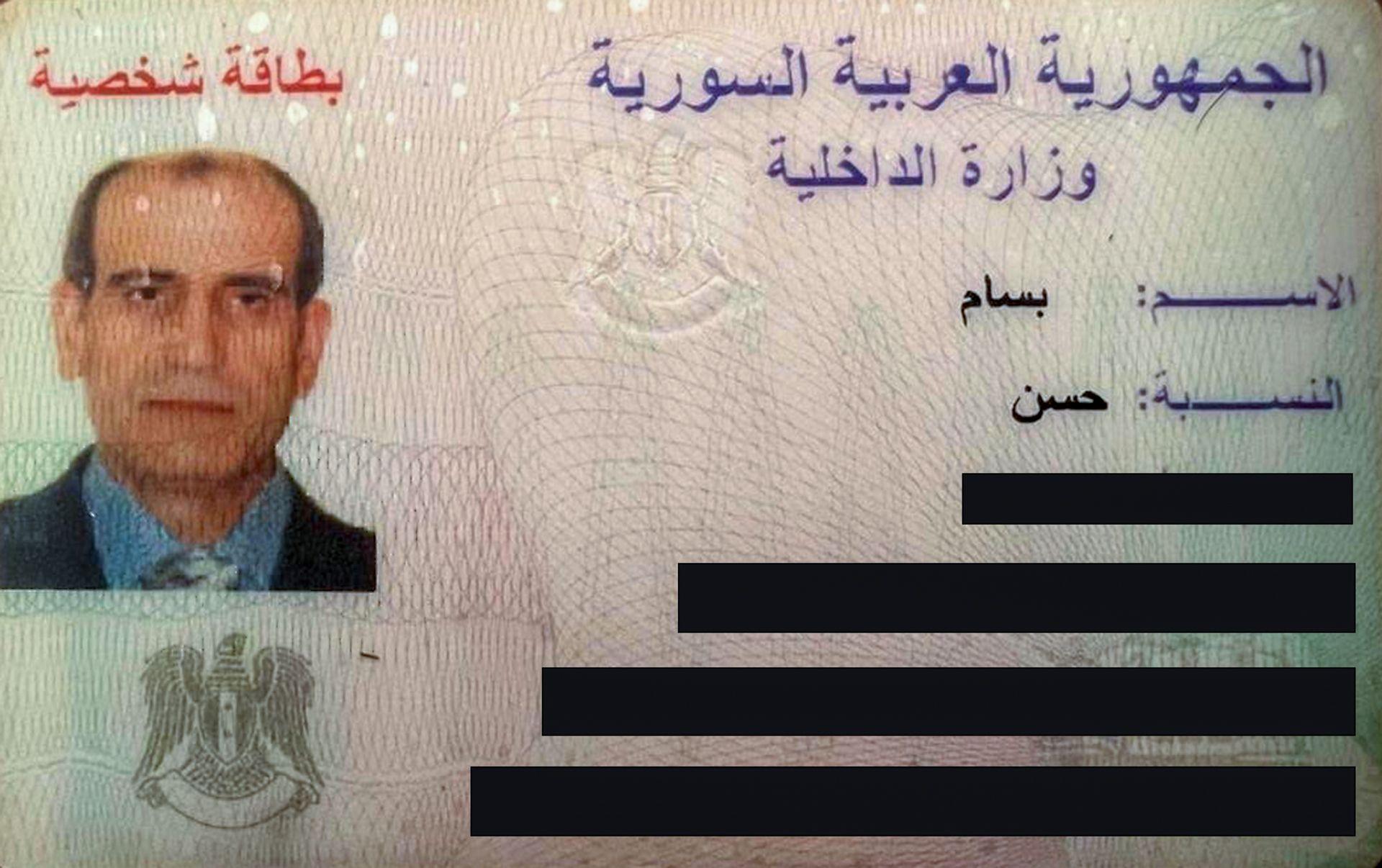
Bassam al‑Hassan, a former Syrian general who oversaw the regime’s chemical weapons programme, is being protected by U.S. and Lebanese authorities in Beirut, according to a BBC‑NPR investigation released on 8 October 2026.
Al‑Hassan had become a key figure in the 2012 abduction of U.S. journalist Austin Tice and allegedly knew the location of his remains. In exchange for intelligence on the case, U.S. agencies have reportedly offered him residency, protection and financial support, some of which comes through intermediaries to obscure the source.
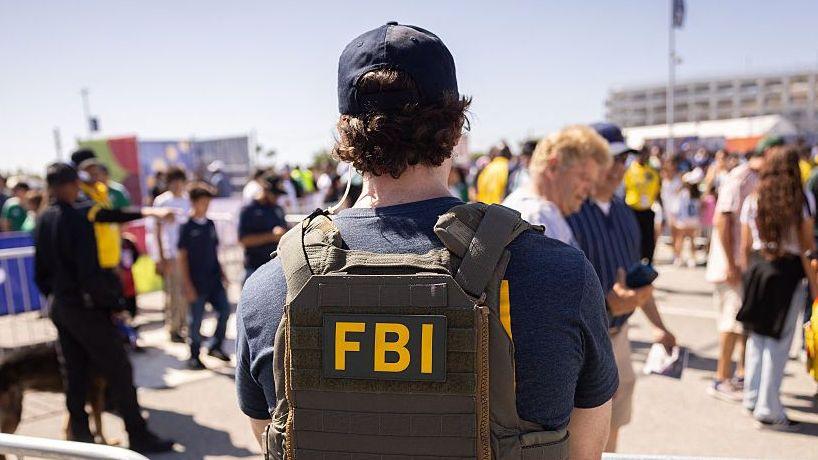
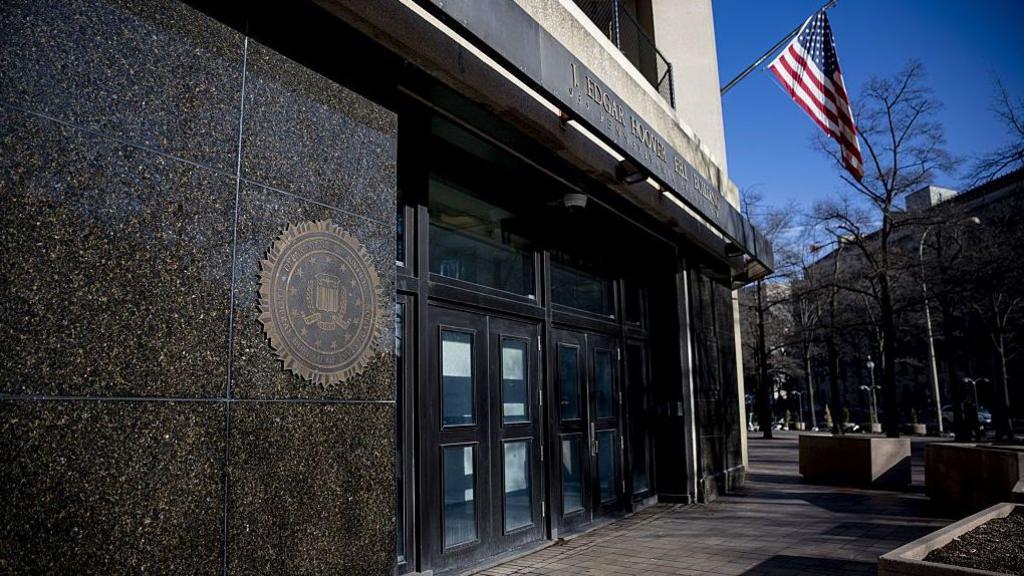
U.S. justification stays opaque. While FBI officials declined to comment, they said their priority is to recover Tice and “establish the facts” surrounding his disappearance. Syrian officials from both the pro‑government and opposition segments demand al‑Hassan’s return for trial, but U.S. and Lebanese security services argue that Damascus has little influence over the arrangement.
Backstory of the deal. After the Assad regime fell in December 2024, al‑Hassan reportedly fled first to Iran before being brought to Lebanon via negotiations involving the U.S., Lebanon and Iran. A businessman with ties to both the former regime and Lebanese intelligence claimed the operation was driven by al‑Hassan’s knowledge of Syria’s chemical weapons and its military links with Iran.
Other former officials also benefit. Several aides, including former general Mohammad Makhlouf and nephew Sakr Rustom, are believed to be residing in Lebanon or the UAE, having received U.S. assistance linked to the Tice investigation. One ex‑Republican Guard chief, Ghassan Nassour, is reported to be living in the UAE with his family.
Cracks in the narrative. Al‑Hassan has claimed that Tice was executed on orders from former President Assad. However, when the U.S. government searched the site he allegedly provided, no remains were found, raising doubts about the validity of his testimony.
Human‑rights reaction. Phil Elwood, spokesperson for the Tice family, condemned the U.S. for “furnishing a comfortable life” for a man linked to chemical weapons use. “Aiding and abetting the escape of a wanted war criminal is offensive,” he said.
The case underscores how intelligence partnerships can clash with demands for justice, raising questions about accountability for war crimes when diplomatic and security interests collide.