Frontline fury in Taiz: civilians caught between Houthi advances and counter‑offensives
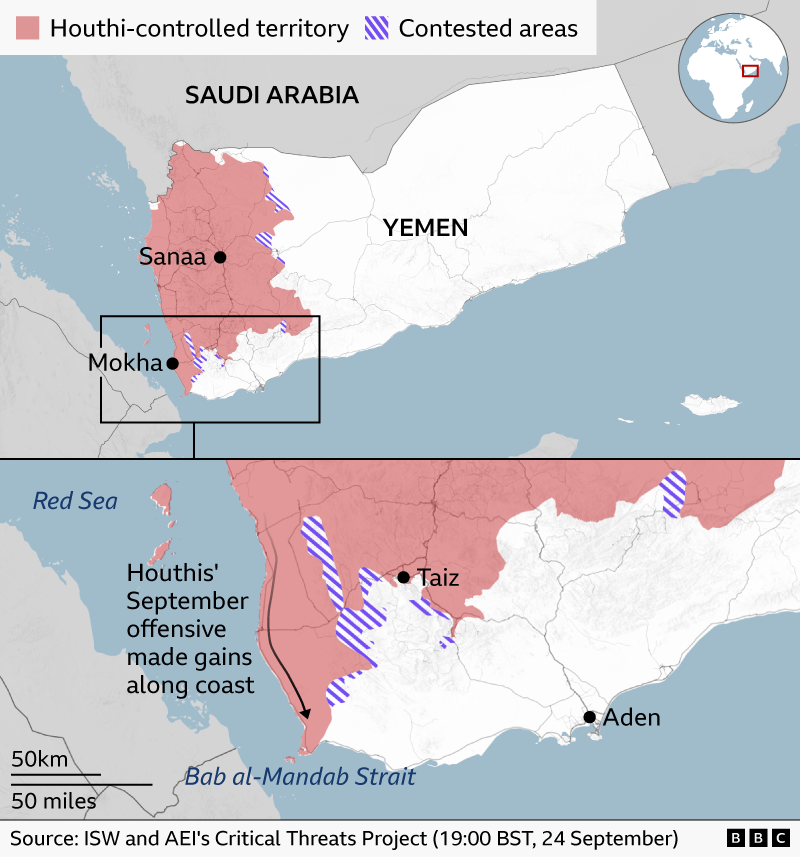
In the southwestern city of Taiz, government forces and Iranian‑backed Houthis have drawn a razor‑thin divide across undulating hills and crowded streets. The line runs from the Mocha coast to the Red Sea port of Mokha, and both sides wage a relentless campaign of shelling, air strikes and drone attacks.
Reports from the front show civilians living under constant threat. Homes that once bustled with families are now empty; livestock meander through silent streets. A farmer named Ali sits beside his goats, shivering as distant mortar rounds explode nearby. Meanwhile, a ten‑year‑old girl named Ghana is treated in a makeshift intensive care unit, her skull riddled with shrapnel from a Houthi mortar strike.
The humanitarian toll is staggering. The United Nations estimates that over 130,000 people have fled their homes in the past month, and an additional 100,000 are expected to leave in the next three months. Displacement camps near al‑Monig are swelled with families who can no longer survive in war‑torn villages. Women describing their struggles speak of walking barefoot, carrying only the needs of their children as the shelling turns their routes into death traps.
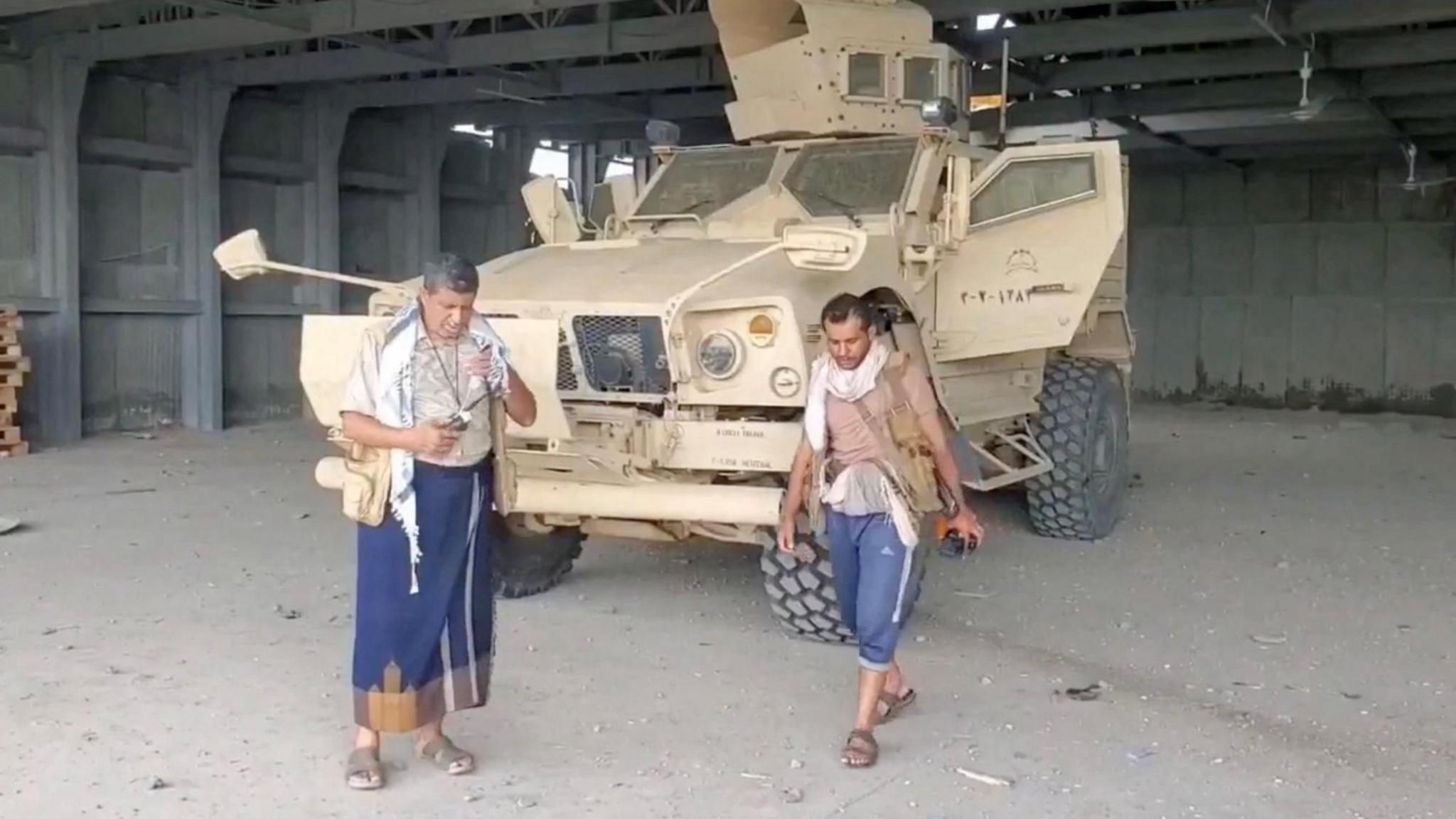
Government troops describe a grim reality on the ground. One soldier recounted that after a drone signal, a floor‑shattering barrage followed, leaving them with no choice but to retreat. A guard at a checkpoint near the front line reported that 18 fallen soldiers lay in an area they could fire across, yet rescue could not reach them.
International involvement has intensified the conflict. Saudi‑led air strikes targeting Houthi positions have drawn criticism as the Houthis in turn fire missiles and drones into Saudi Arabian cities, escalating a regional flare‑up. The tension over the Bab al‑Mandab Strait, a critical maritime corridor, has inflamed global oil markets.
For residents of Taiz, the war is a daily ordeal. Children play in the shadows of ruined cafés while sirens wail in the distance. The city remains a vivid tableau of survival, resilience and the painful cost of power struggles. As the skies above Taiz bruise with drones and artillery, the world watches, hoping for a truce that may restore more than just shored‑up borders, but lives and livelihoods as well.