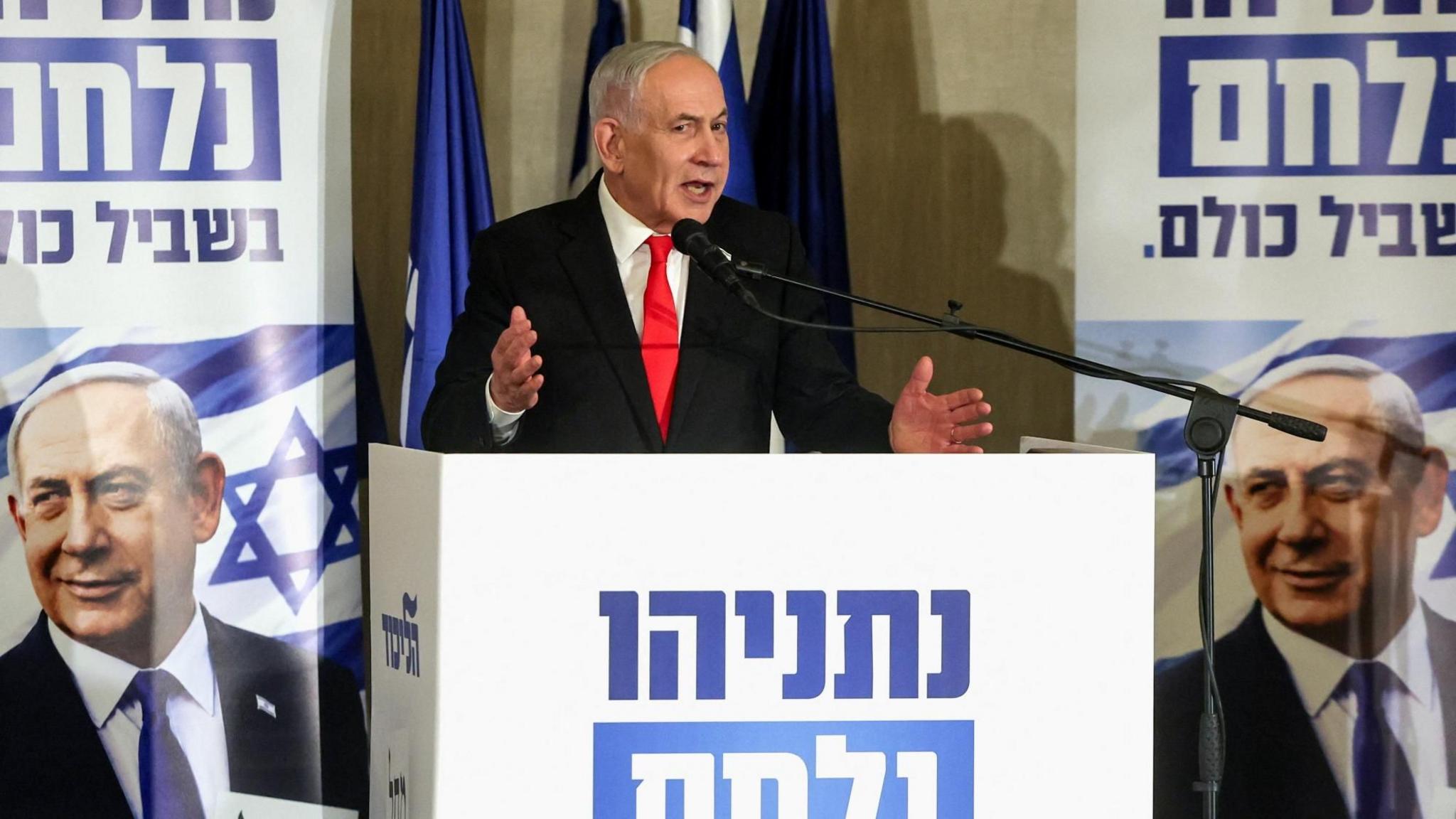
Israeli Prime Minister Benjamin Netanyahu delivered a keynote address to the United Nations General Assembly in New York on September 24, defending Israel’s military operations in Gaza, Iran and the wider Middle East.
At the time of his speech, an arrest warrant had already been issued by the International Criminal Court for alleged war crimes linked to the Gaza campaign.
Despite the legal jeopardy, Netanyahu was not detained. The ICC’s broad jurisdiction, coupled with diplomatic safeguards and Israel’s refusal to cooperate with extradition, left the indictment largely symbolic.
The situation exposes the gaps in international law enforcement: extradition enforcement is impeded by diplomatic immunity, the ICC’s reliance on member states to arrest suspects, and the slow pace of international legal proceedings.
Observers suggest that Netanyahu’s high‑profile appearance serves more as a political statement to the world than a step toward accountability, while critics warn that the ICC’s inability to secure the extradition of prominent officials undermines the pursuit of justice.