Background on the case
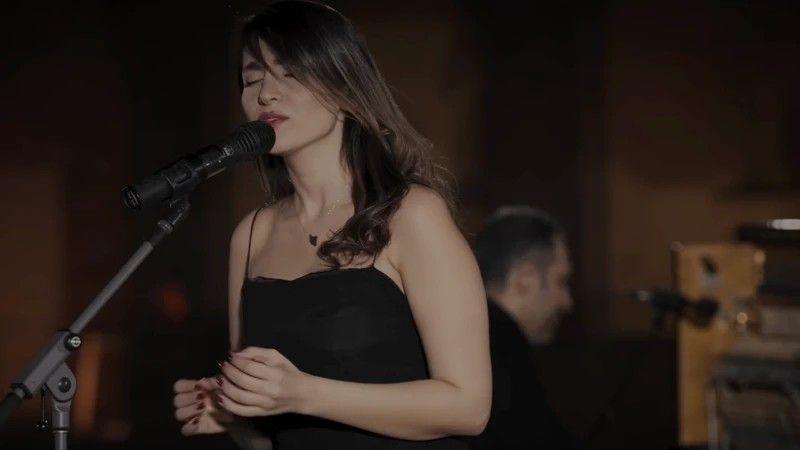
In December 2024, Irani performer Parastoo Ahmadi broadcast a concert from Qom in a sleeveless dress and without a hijab. The video quickly went viral, garnering millions of views and prompting the judiciary to launch proceedings against the singer and her crew.
Court decision
A criminal court in Qom found Ahmadi and eight band members guilty of “offending public decency” and related charges, sentencing them to 74 lashes, a two‑year travel ban and a prohibition from audiovisual work. After the defendants sought appeal, a higher court ruled without a hearing, affirming the original verdict.
Reactions
The sentence triggered a wave of commentary among Iranians abroad, with artists such as the exiled Googoosh and musician Hossein Alizadeh expressing solidarity. Amnesty International denounced the flogging as a cruel, inhuman punishment that violates the absolute prohibition on torture.
Context of dress code enforcement
Iran’s mandatory hijab rule is rooted in the country’s interpretation of Sharia, obliging women above puberty to wear a headscarf and loose clothing. The crackdown intensified after 2022 protests over the death of Mahsa Amini, a 22‑year‑old Kurdish woman detained for alleged hijab violations. Since then, sporadic arrests and public defiance have kept the regime’s policing of women in the spotlight.
Looking ahead
With Iran now confronting geopolitical pressures from its war with Israel and internal economic tensions, officials claim the hijab law remains a low‑profile priority. Yet the upheld lashes on Ahmadi emphasize the state’s readiness to use corporal punishment to quell dissent. The case is watched closely by human rights advocates and the global Iranian community, who remain hopeful for a future where artistic expression and personal dress are free from state‑driven coercion.