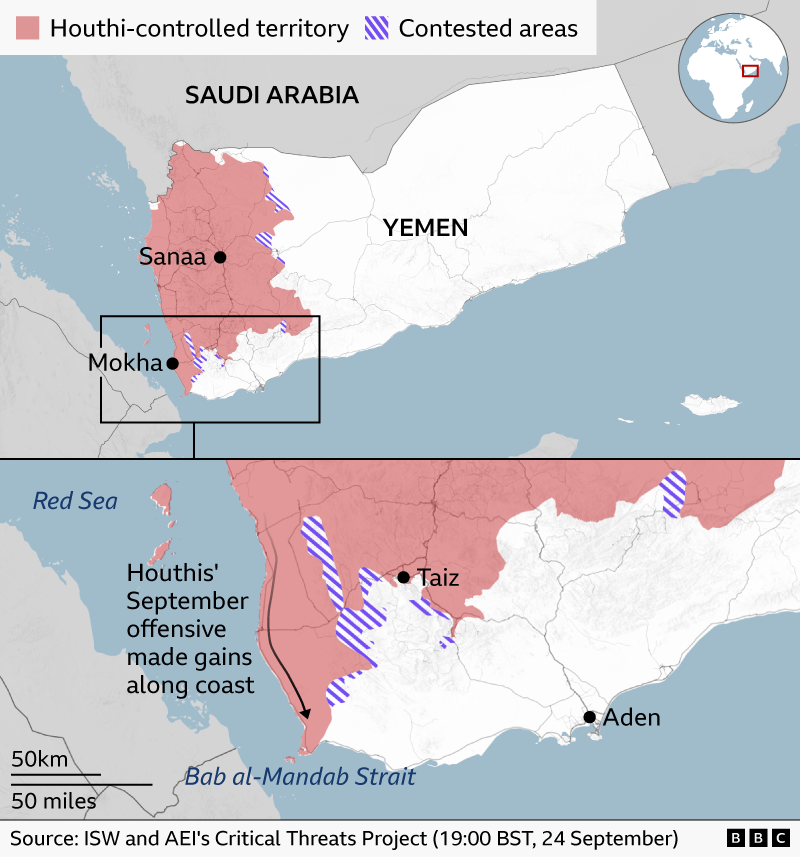
In the rugged western slopes that frame Taiz, gunfire and exploding mortar shells have become the new soundtrack for residents. The town, a cultural hub and Yemen’s third largest city, sits at a choke point where the destiny of the country’s western coast hangs in the balance.
The front line here blurs between mountains and human activity. A visiting correspondent took cover beneath bushes as a drone sailed overhead, a harbinger of the strikes that followed in minutes: loud thuds of impact echoing across the hills.
Houthi fighters, backed by regional allies, have advanced on Mokha and seized key shipping lanes near the Bab al‑Mandab Strait, igniting fears of broader maritime disruption. The Saudi‑led coalition has responded with air strikes along the coast, but the situation remains fluid, with both sides poised for further escalation.
For civilians, the war has forced mass displacement. At the al‑Monig camp, families from Mokha arrive with little more than the clothes on their backs, children crying, and stories of lost relatives. One woman, named Fatma Mohammed Saleh, describes crawling for days under a blanket of shells, her mobility lost and her family scattered.
On the front lines, civilian casualties are often unavoidable. Twelve‑year‑old Ghana Nabeel was struck by shrapnel while herding goats when a mortar fell nearby. The injury damaged her brain, leaving her life forever altered.
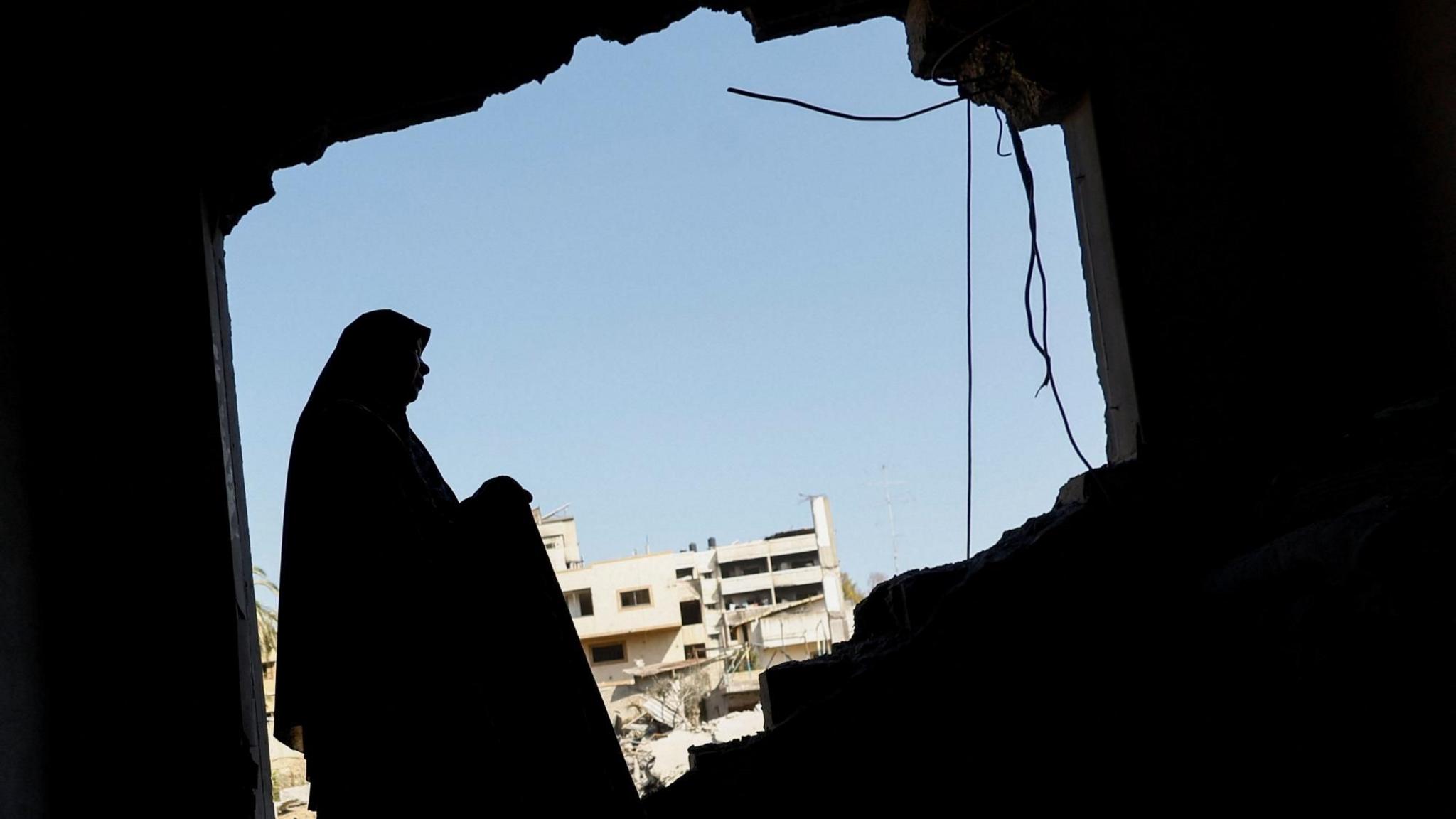
A hospital in Taiz’s heart stands between survivors and critical care, every bed filled with fighters or civilians facing the same fate. Meanwhile, government soldiers patrol the high ground, aware that control of the western approach could dictate the future of Mokha and the strategic port beneath.
International observers warn that continued clashes could push Yemen into deeper chaos, with refugees and security ramifications that ripple beyond its borders.