US and Lebanon Shield Accused Syrian Chemical Weapons General, Investigation Reveals
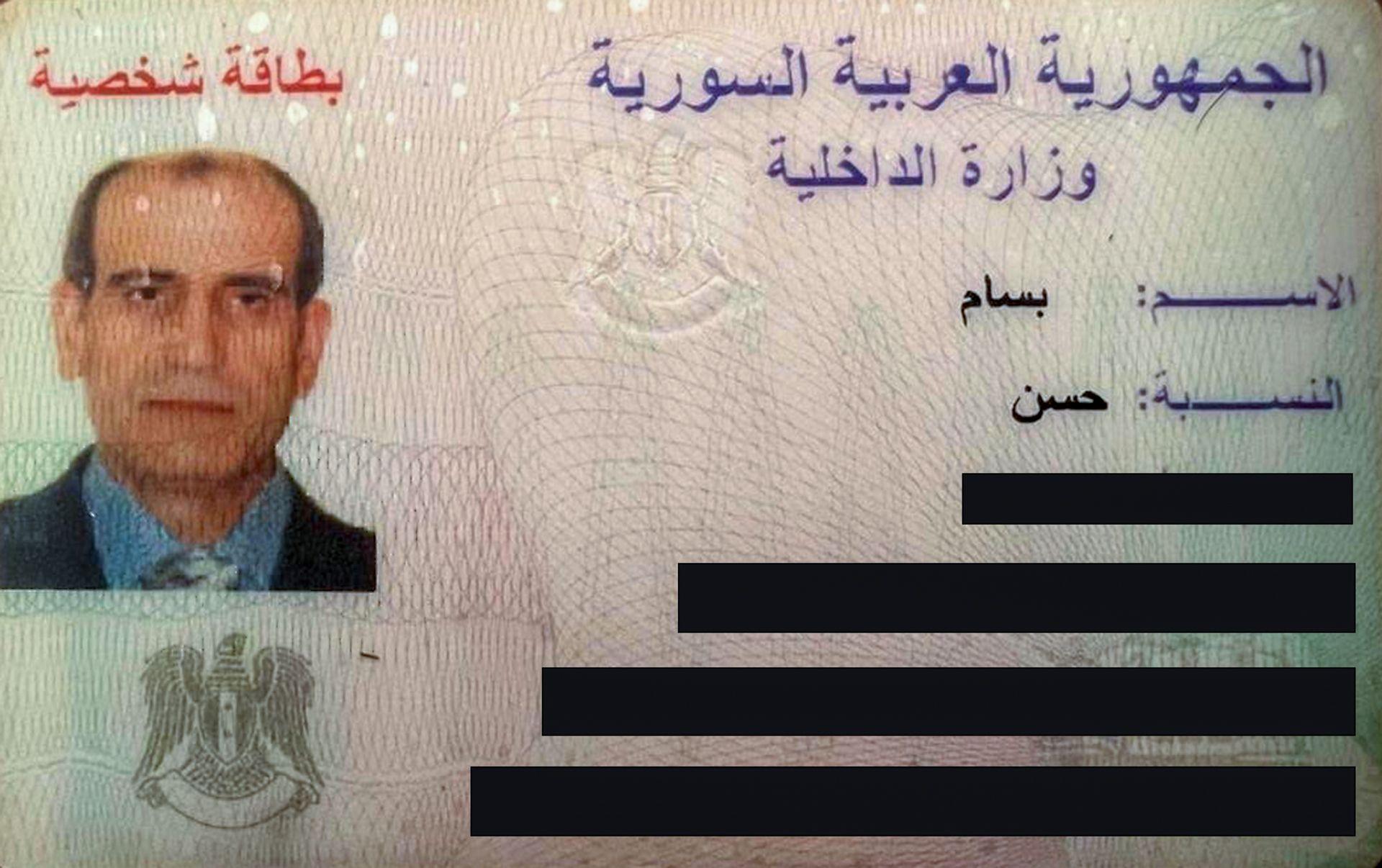
A BBC and NPR investigation has uncovered that Bassam al‑Hassan, a former senior adviser to former President Bashar al‑Assad and overseer of Syria’s chemical weapons programme, is currently being protected in Lebanon with the cooperation of US security agencies. Al‑Hassan, who is wanted for crimes against humanity following the collapse of the Assad regime in December 2024, is said to have received residency, protection and financial support in exchange for intelligence on the 2012 abduction of American journalist Austin Tice.
According to the BBC, the arrangement involves the Federal Bureau of Investigation, Central Intelligence Agency and Lebanese General Directorate of General Security. While the US cites an ongoing investigation into Tice’s disappearance, the Lebanese authorities have stated the decision to shelter al‑Hassan was driven by the information he supplied about the former regime’s internal operations, including details of Syria’s chemical weapons system and its ties to Iran.
The Tice family has condemned the alleged security cover, describing it as “aiding and abetting the escape of a wanted war criminal.” Syrian officials have called for al‑Hassan’s return to face trial, but have acknowledged that the US continues to provide protection, a stance that limits Damascus’s ability to enforce justice. The investigation also notes that other former Syrian officials, connected to the Tice case, have found refuge abroad in Lebanon, the UAE and Iran, suggesting a broader pattern of intelligence‑backed sanctuary for regime insiders.
Despite the cooperation, sources argue that the intelligence gained from al‑Hassan has not markedly advanced the Tice investigation since the spring of 2025. Concerns have been raised about the indefinite nature of the arrangement, its cost to the US, and the potential undermining of international accountability mechanisms.
The case underscores the complex diplomatic calculus at play in the aftermath of the Syrian civil war, where geopolitical interests often clash with the pursuit of justice for war crimes and human rights violations.