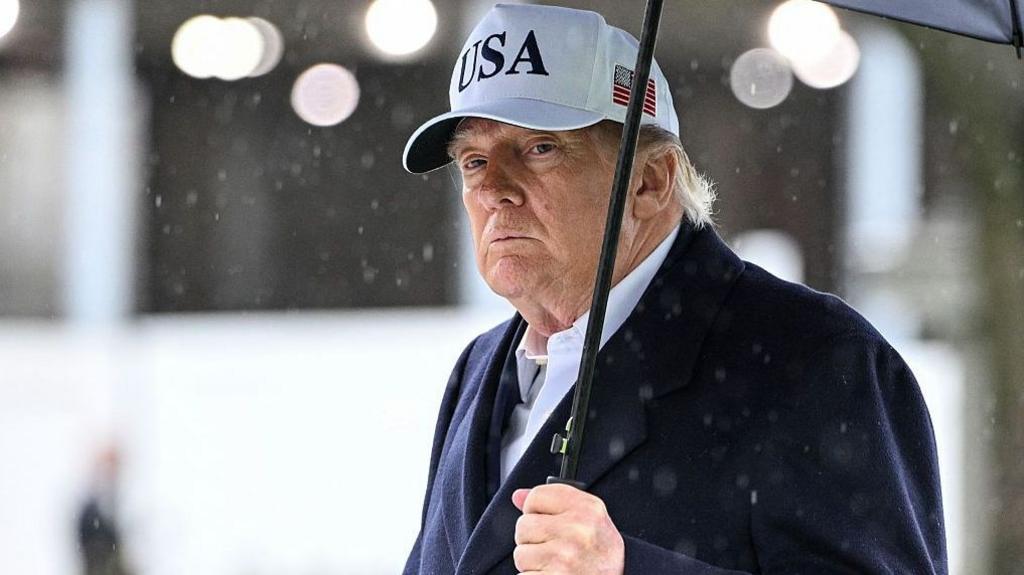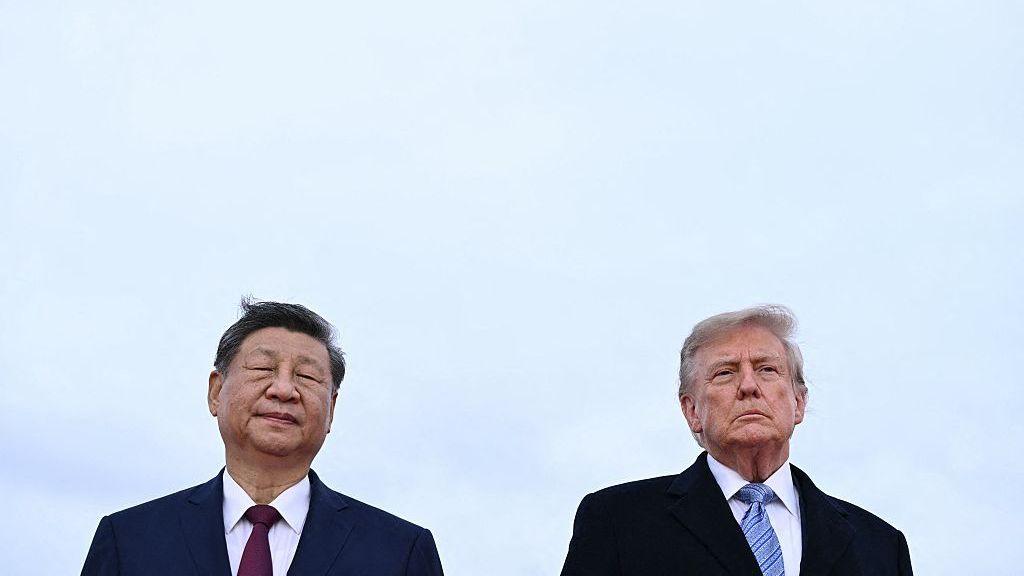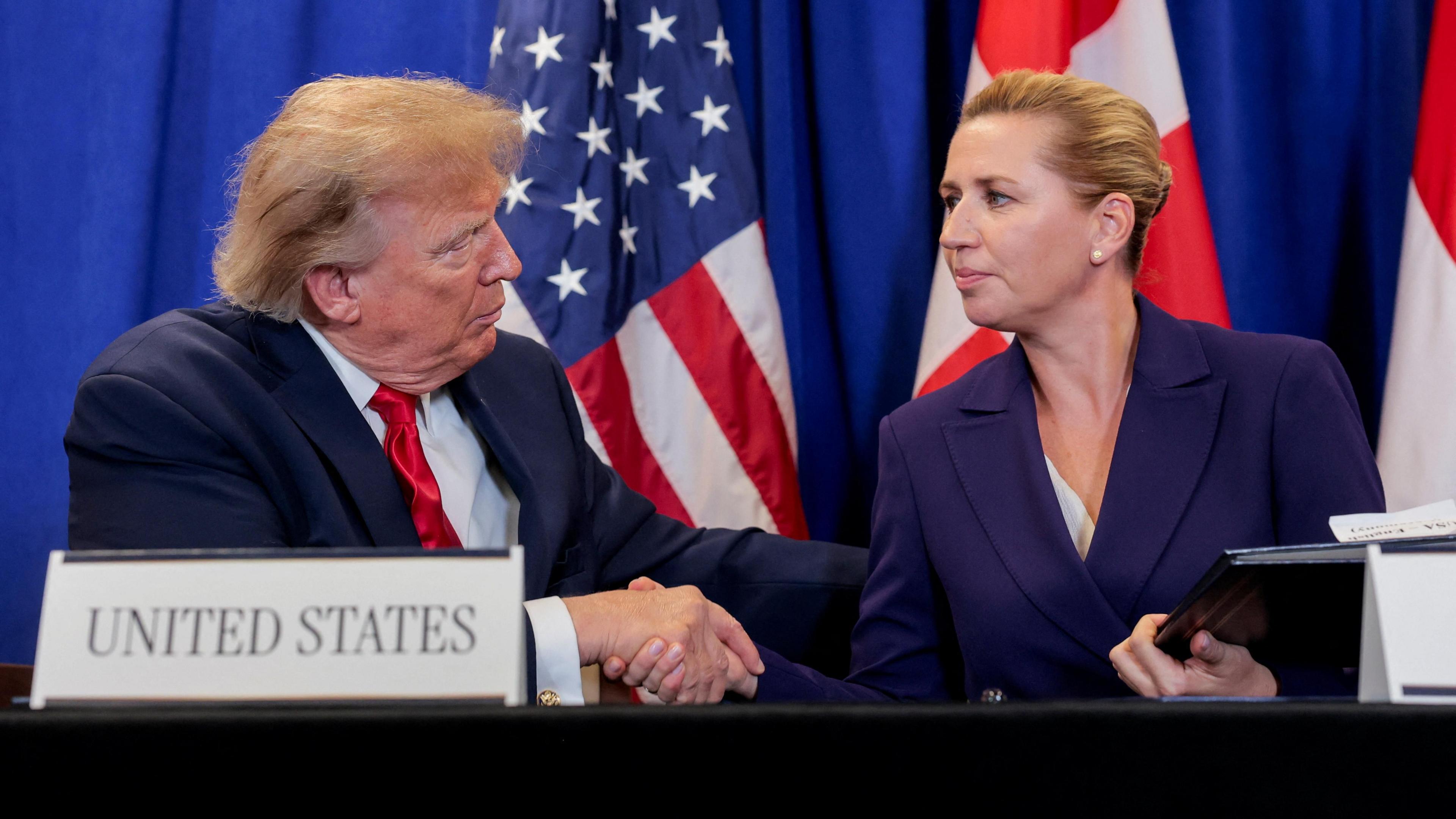
Venezuela’s interim leadership has freed dozens of political detainees following a historic meeting with U.S. President Donald Trump.
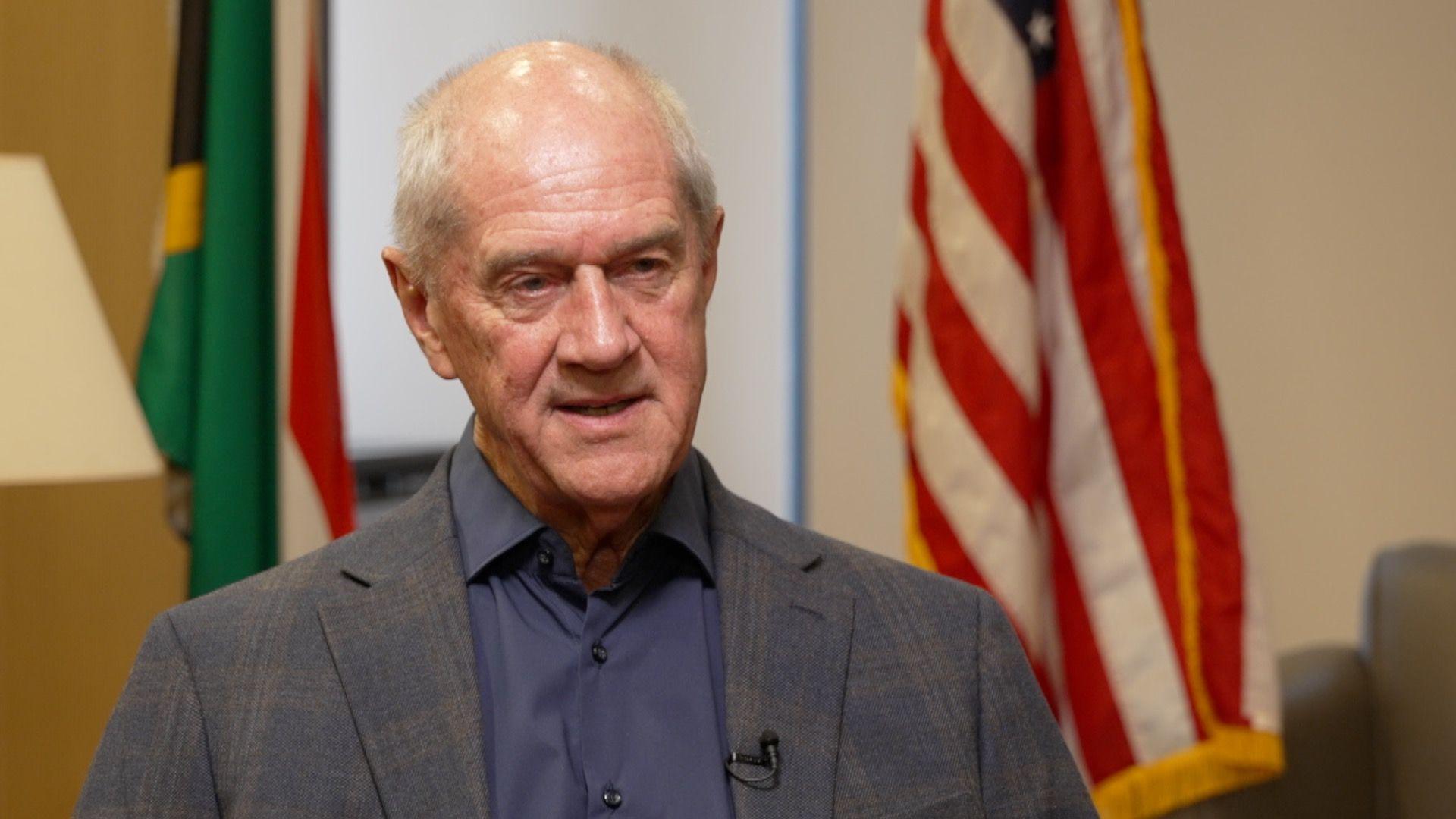
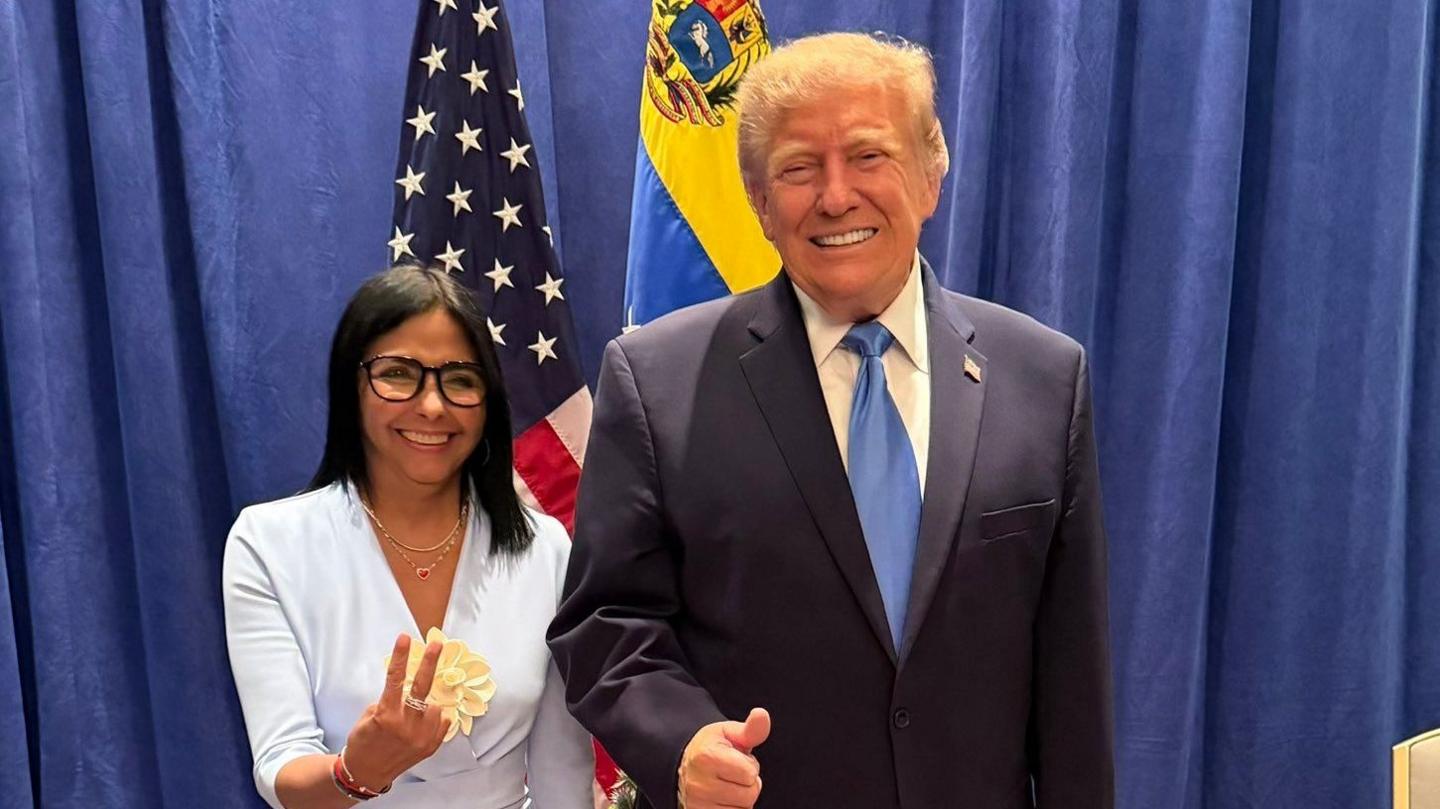
Interim President Delcy Rodríguez’s visit to New York to meet Trump, which took place after President Maduro was removed from power, is credited by some analysts with prompting the release of several high‑profile prisoners. The first names mentioned by human‑rights organisations include Wilder Vasquez, who served a five‑year sentence in 2018 for alleged plotting against former President Nicolás Maduro; Miguel Castillo Cedeño, detained since June 2019; and activist Frank Cabañas, held for nine years over accusations linked to a police officer’s death.
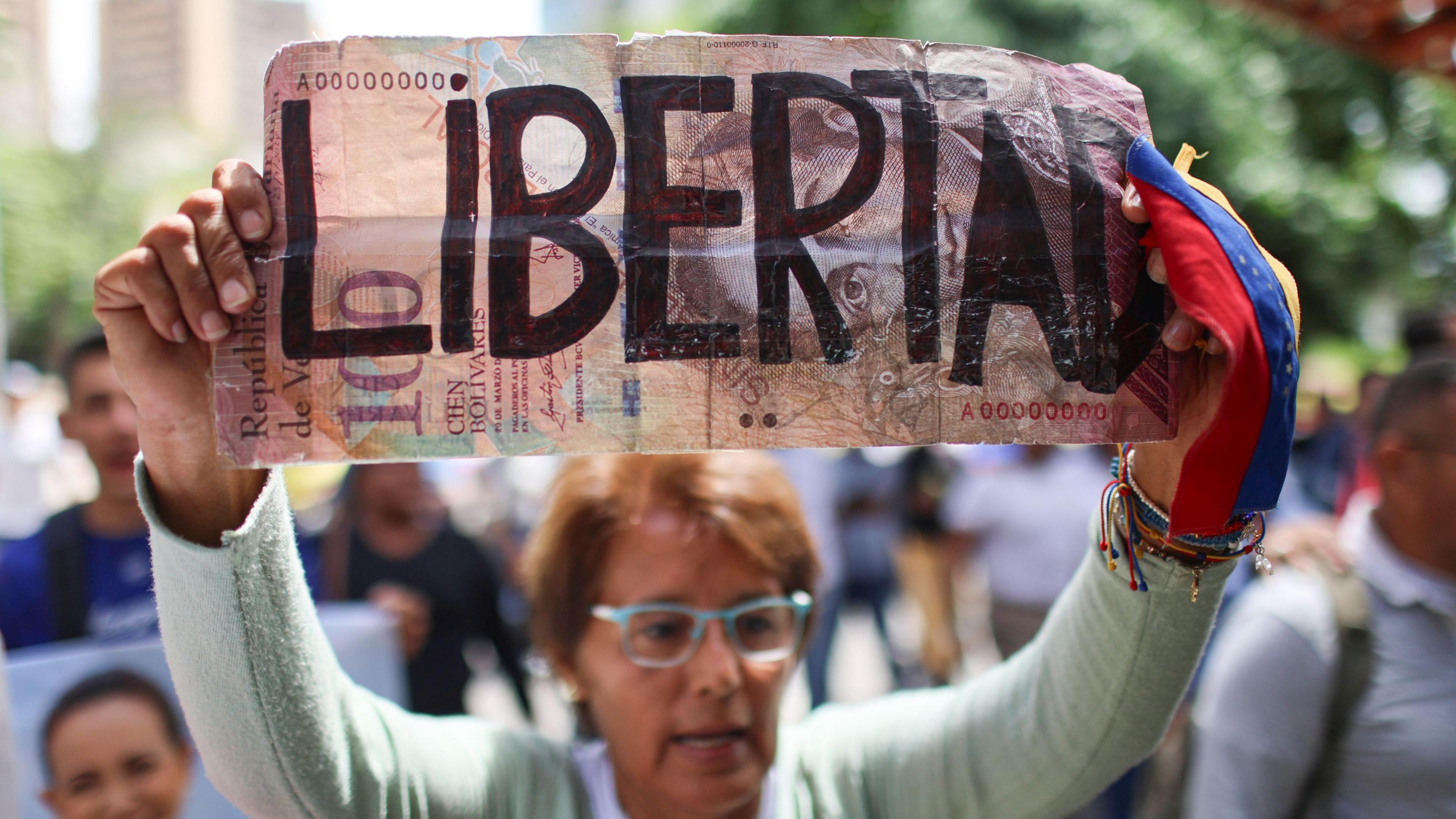
The state’s release program had originally aimed to restore political confidence by freeing thousands of inmates as part of a broader reconciliation initiative. However, the scheme slowed in April when Rodríguez declared it would come to an end, a decision that drew harsh criticism from opposition groups who say it left more than half of the country’s political prisoners locked up. The new wave of releases appears to reverse that trend, though no official statement from the Venezuelan government confirms a direct causal link to the U.S. meeting.
Benefits and concerns are voiced on both sides: supporters claim the releases are a step toward democratic reform and a signal to the international community that the interim administration is willing to negotiate, while detractors argue that without fair elections the country remains in a state of political stagnation. The United Nations General Assembly has also served as a platform for Rodríguez’s public assurances of forthcoming elections, though a concrete timetable remains unclear.