Dutch police arrested a 24‑year‑old man from Amsterdam on September 15 on suspicion of being a member of the ShinyHunters hacking collective that announced a data breach of the U.S. Federal Bureau of Investigation’s personnel system last week. The group claimed to have captured sensitive information on about 38,000 FBI agents, including names, roles, badge numbers, home addresses and phone numbers.
Police seized the suspect’s devices and found a large volume of data on his laptop, including details of two alleged murder plots supposedly ordered abroad. According to Dutch officials, the suspect remains in custody, and further arrests are being considered.
“The ShinyHunters group is responsible for a large number of national and international victims, and it is good that we have been able to arrest a suspect,” said Stan Duijf, head of Dutch cyber‑crime investigations.
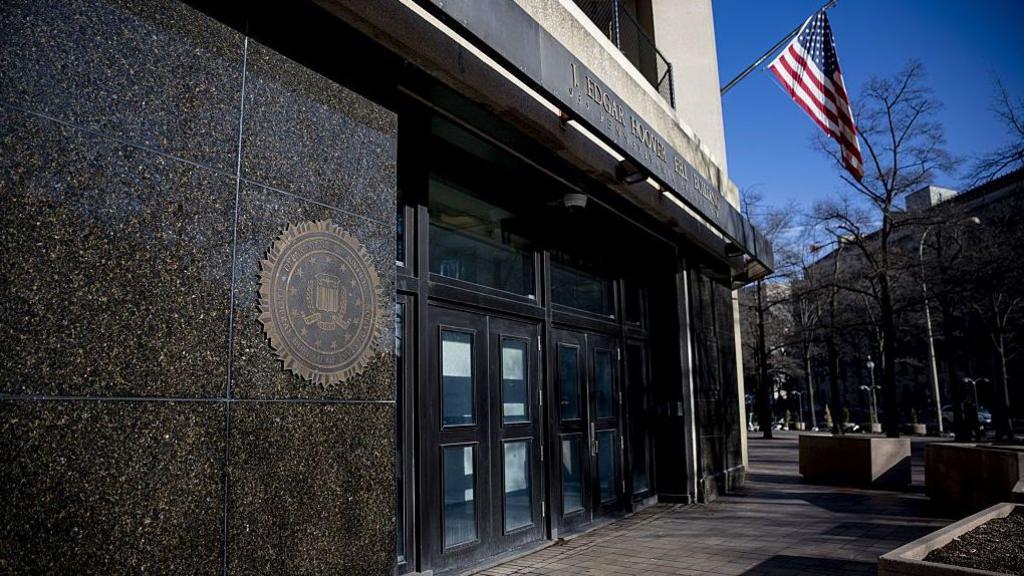
FBI officials defended their efforts in a statement to X, welcoming the cooperation and warning that further leads will be pursued. Assistant Director Brett Leatherman urged any remaining group members to surrender before their anonymity is broken by ongoing investigations.
ShinyHunters first claimed responsibility for the FBI breach on September 21, following up with screenshots of stolen data in a dark‑web post. The BBC confirmed that the released data appears authentic.
Historically, ShinyHunters has targeted major tech, finance and retail firms, including a high‑profile hack of Rockstar Games in April and a disruptive attack on the Canvas education platform in May. The group alleges a vulnerability in the Oracle cloud storage system used by the FBI, which enabled them to infiltrate multiple internal systems such as FBIJOBS, FBI BEAST, FBI MedLink and FBI BICS.
The group stated that their motive was not monetary but political, requesting the FBI to retract a May advisory that portrayed them in negative terms. The advisory, still posted on the FBI website, describes ShinyHunters as threat actors who often use fabricated or exaggerated claims of access to solicit payments.