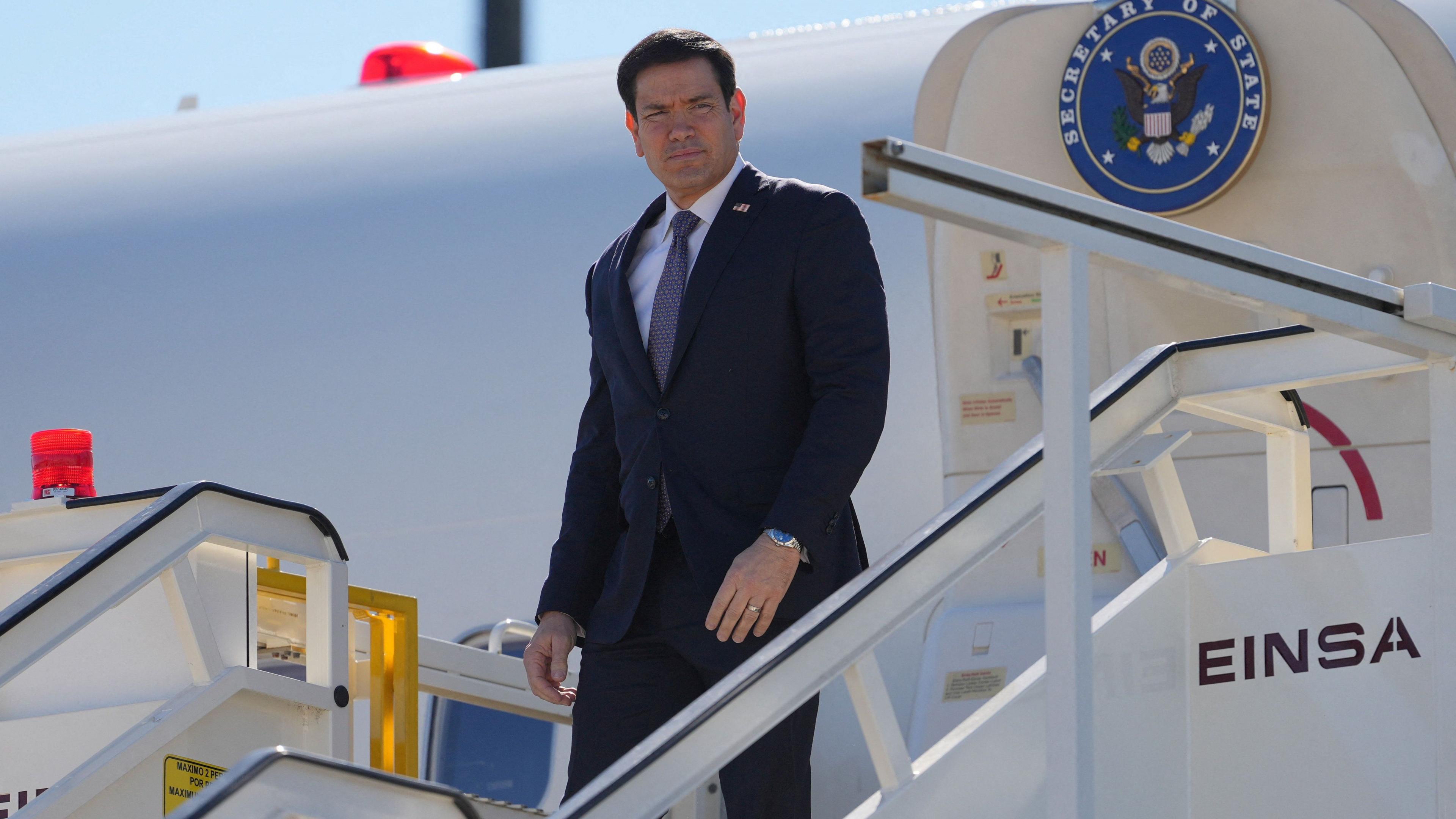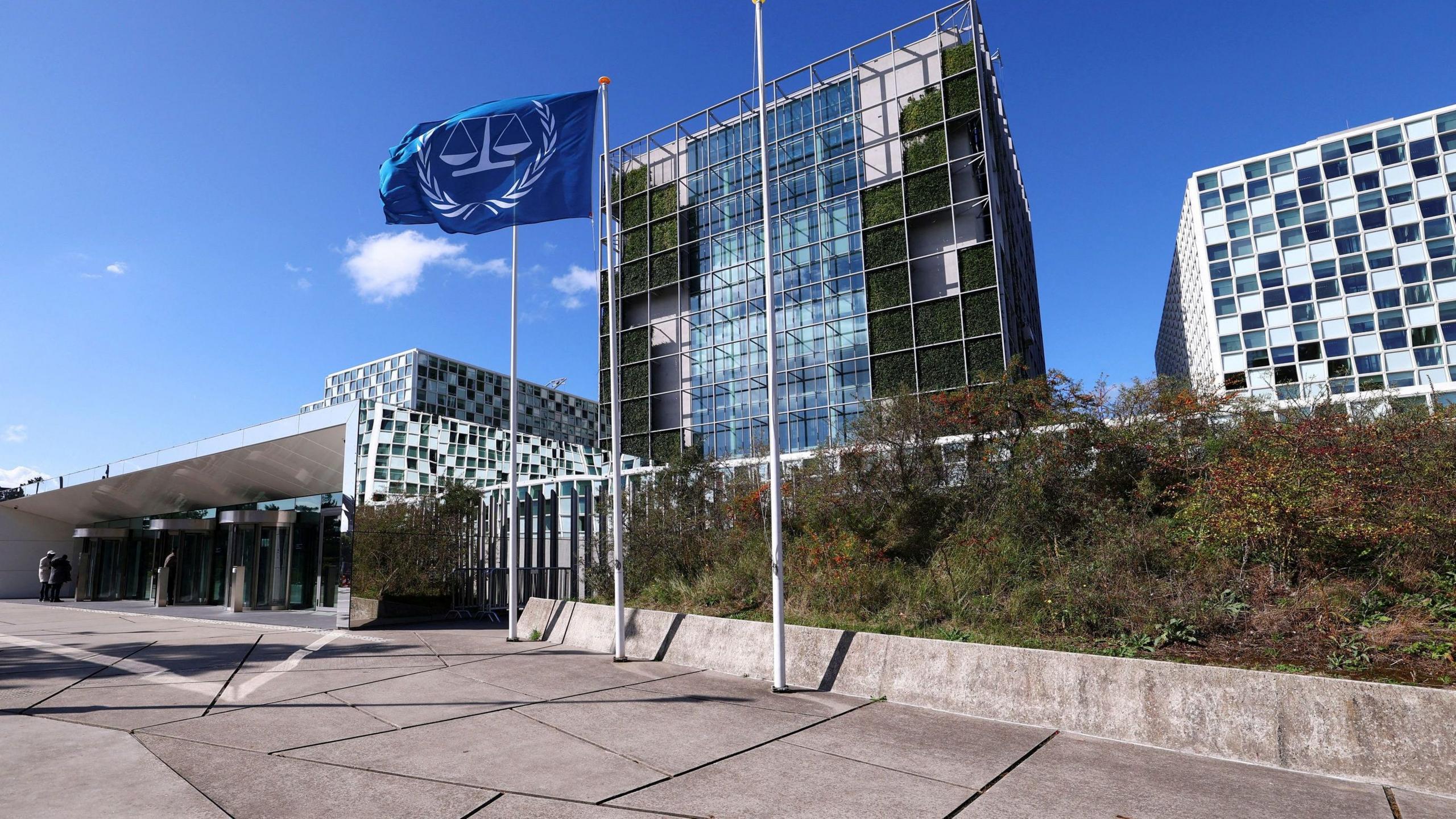
The United States, under Secretary of State Marco Rubio, has announced sweeping sanctions on the International Criminal Court – banning US entities from any transactions with the court and threatening to curb its funding. The sanctions aim to defend American sovereignty against what Washington calls a “rogue” international institution that has issued arrest warrants for US soldiers and Israeli officials.
According to Rubio, the measures are a response to the ICC’s investigations into alleged war crimes, including the war on drugs in the Philippines and the indictment of former Israeli Prime Minister Benjamin Netanyahu. He warned that "either the ICC will end its threats, or we will end the ICC."
The ICC has condemned the sanctions as an assault on the rule of law, stating that it will not be deterred. The court’s General Prosecutor said that the measures could disrupt its operations and intimidate those who cooperate with it.
Washington has previously sanctioned 17 ICC judges and officials; this new action targets the court as a whole, intending to collapse its financial base. However, the United States has granted a six‑month grace period to allow member states to fund the court’s operations and negotiate a resolution.
UN Secretary-General Antonio Guterres called the move a serious blow to international criminal justice. The United Kingdom, Canada, Denmark, France, Germany, Italy, Japan, and the Netherlands have all affirmed their support for the ICC and criticized the sanctions.
The Netherlands, which hosts the court in The Hague, faces particular pressure. Foreign Minister Tom Berendsen warned that the sanctions would seriously hamper the court’s ability to function.
Israeli Prime Minister Benjamin Netanyahu welcomed the sanctions, labeling the ICC "not a court but a political body" that threatens national sovereignty.
If the sanctions succeed in crippling the ICC’s finances, the court could be forced to release detainees awaiting trial, including former Philippine President Rodrigo Duterte, who faces charges for extrajudicial killings. Legal scholars warn that such releases would undermine the global pursuit of justice and that victims may suffer trauma if their cases are abandoned.
While the sanctions include carve‑outs allowing the ICC to continue operating detention facilities, the overall impact on the court’s ability to conduct fair trials remains uncertain. Experts predict that a significant reduction in funding could destabilize the ICC’s operations, raising questions about the future of international criminal justice in a world where states can use sanctions to challenge supranational institutions.